

Bathroom storage mistakes usually come down to one thing: buying and storing toiletries without a plan, so you end up with a cabinet full of half-used bottles, a drawer of toothpaste tubes you forgot about, and a last-minute dash to the shop when something runs out. The fix isn't a fancy storage system. It's buying sensibly, storing things properly, and keeping a small, visible stock of the essentials you actually use.
This matters more than it looks. Toiletries are a recurring cost, and small inefficiencies add up over a year: paying more per item because you bought a single tube in a panic, binning a conditioner that went off in a steamy cabinet, or duplicating a shampoo you already had because you couldn't see what was in stock. None of this needs expensive storage furniture to solve. It needs better habits.
The bathroom storage mistakes that waste the most money
Most of the waste in a typical bathroom cabinet comes from a handful of repeated mistakes, not one big one. They're easy to spot once you know what to look for.
- Buying single items under pressure. Running out of toothpaste on a Sunday night means grabbing whatever's nearest, usually at a worse price per item than a multi-pack bought with a bit of planning.
- Not checking price per unit. A bigger pack looks more expensive on the shelf, but it's often cheaper per tube or per bottle. If you only glance at the total price, you'll miss this every time. How to read unit prices explains how to compare properly.
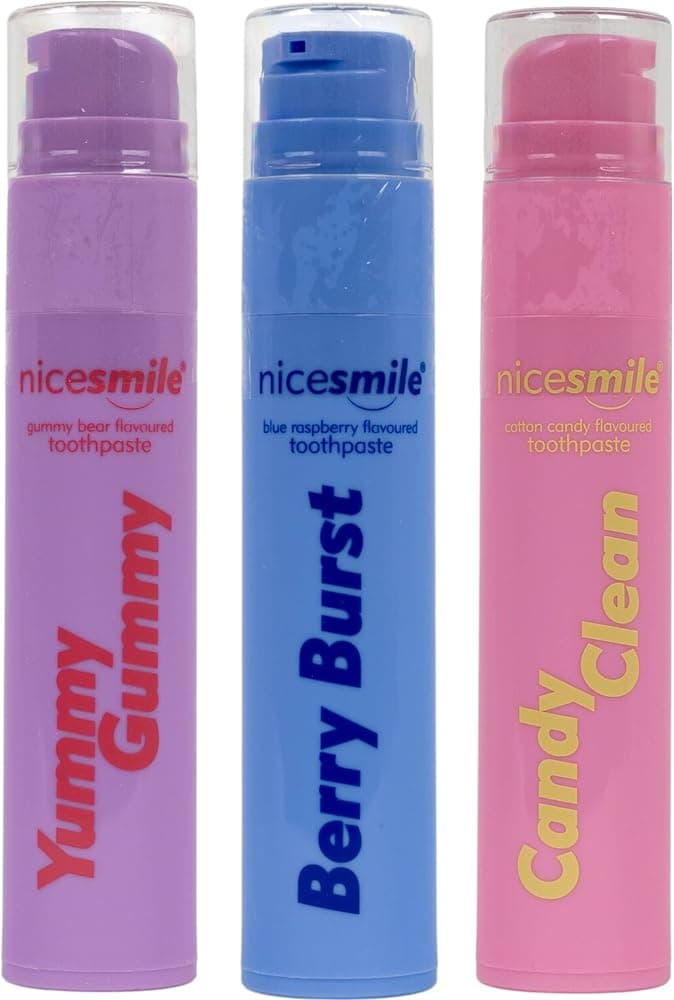
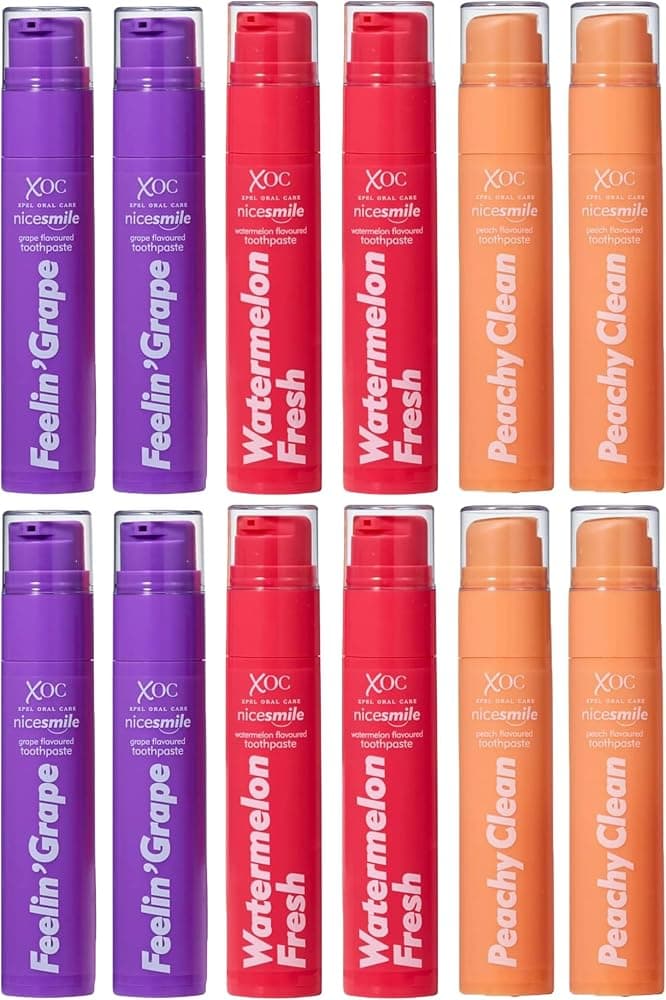
- Overbuying one flavour or scent. Bulk-buying a single toothpaste flavour or shampoo scent feels efficient, but if one family member won't use it, you've paid for stock that sits unused.
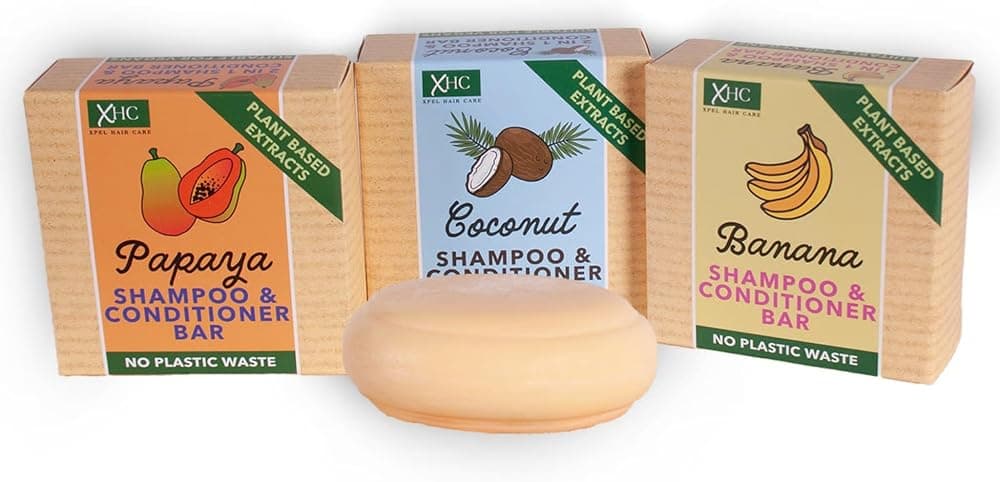
- Storing toiletries where damp gets to them. Cardboard packaging in a steamy, poorly ventilated bathroom can soften and tear, and some products are better kept somewhere drier.
- No system for what's already open. Without a clear 'in use' spot, people open a new tube or bottle before the old one is finished, so you end up with three half-used toothpastes and nobody using any of them properly.
- Treating multi-buys as a one-off instead of a routine. Buying a bundle once, then going back to single tubes when it runs out, means you lose the saving you got in the first place.
Overbuying versus running out: getting the balance right
Budget-conscious households tend to swing between two extremes: buying too much in one go because it was on offer, or running out and paying over the odds to fix it quickly. Both cost money.
The better approach is to work out roughly how long a tube or bottle actually lasts in your household, then buy a multi-pack that covers that period with a bit of headroom. How long does a tube of toothpaste last? is a useful starting point if you've never worked this out. Once you know your household's real usage, a multi-pack of 3, 4, 6 or 12 tubes stops being guesswork and starts being a sensible stock level, not a gamble.
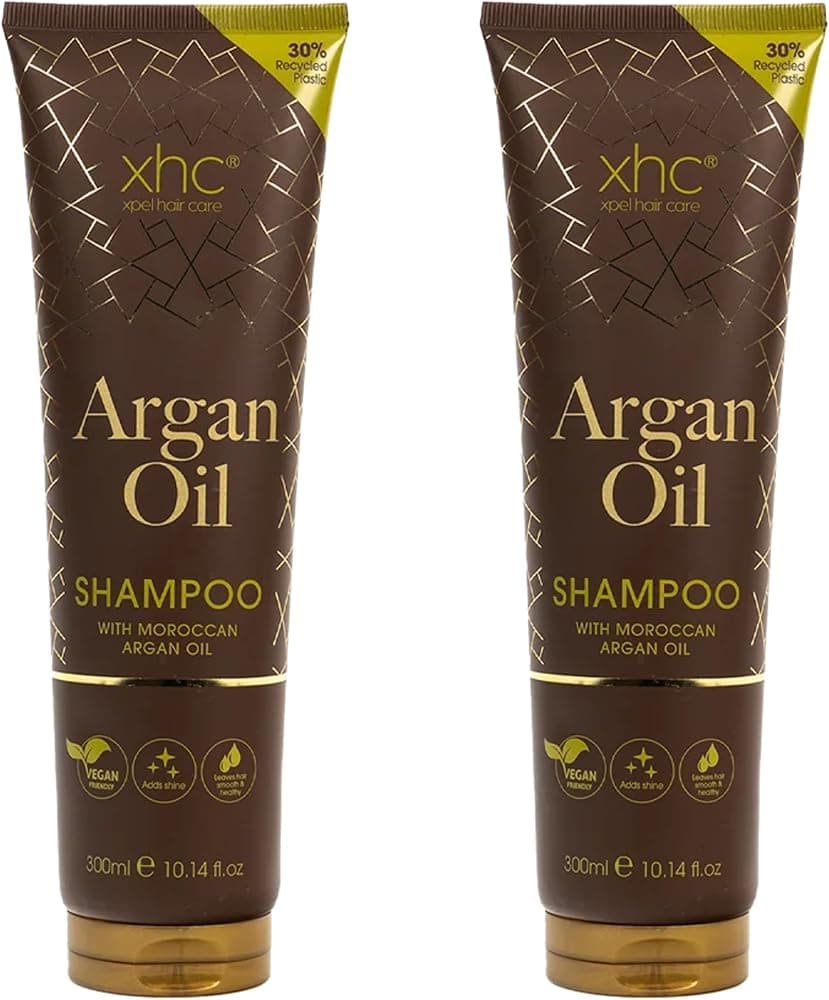
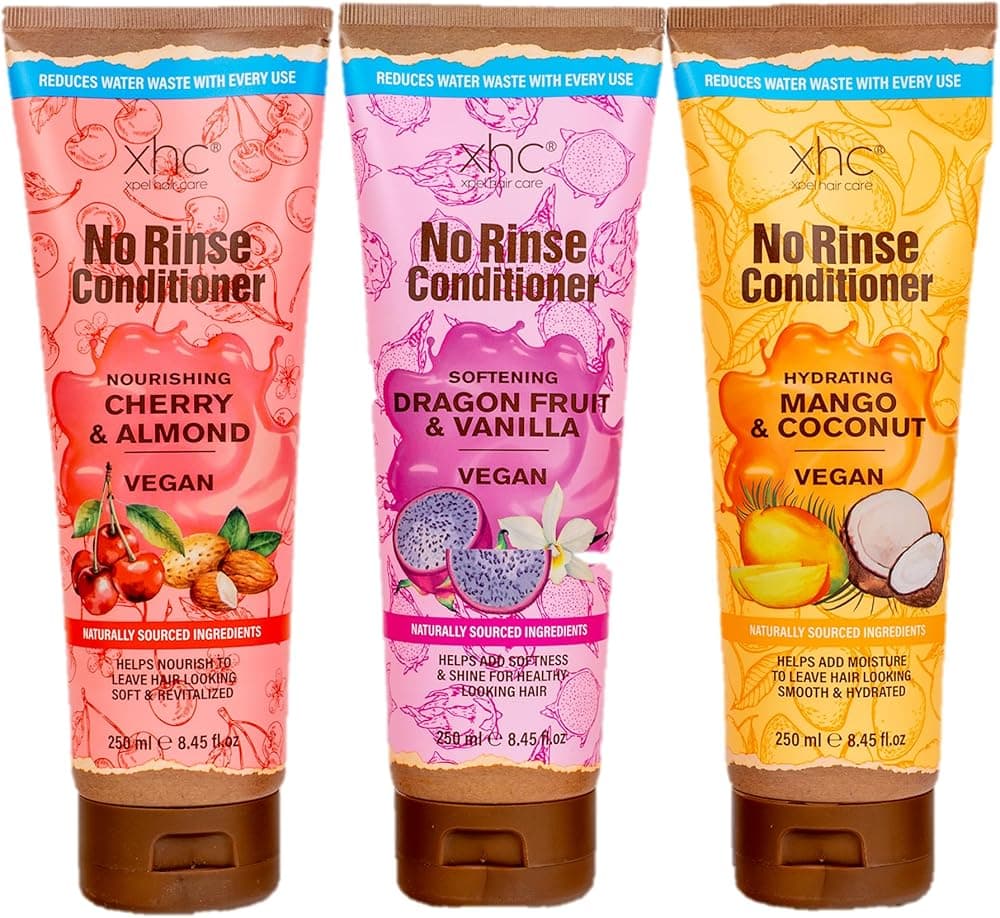
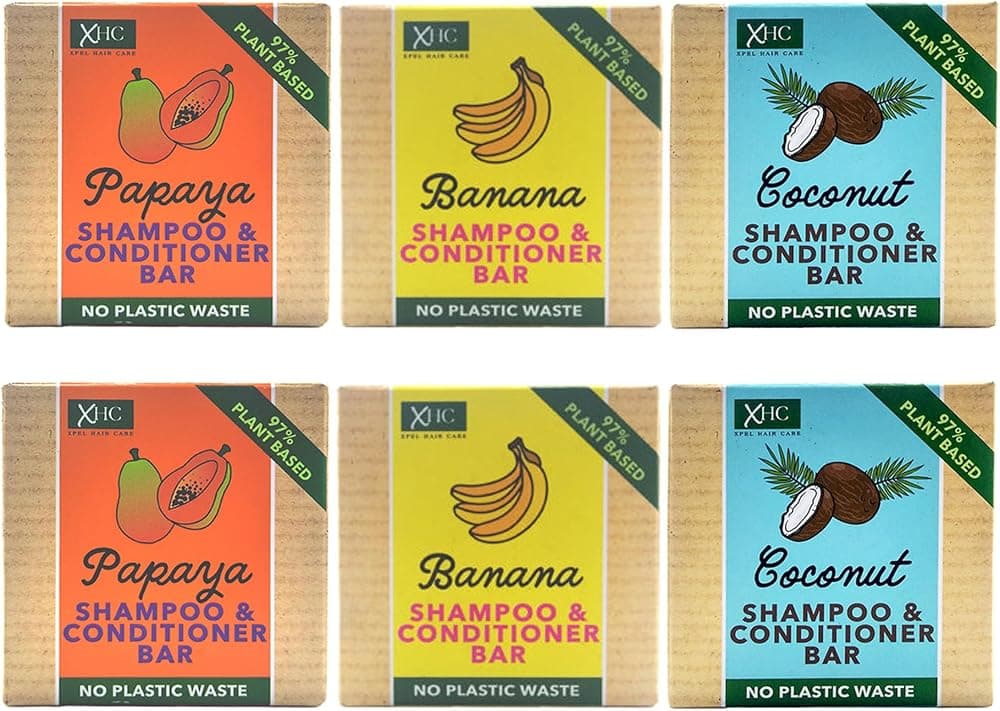
The same logic applies to shampoo and conditioner. If you know roughly how much you use per wash, you can judge whether a twin pack or a bigger bundle actually matches how often you'll use it before buying on size alone.
Avoiding knockoffs when you're trying to save money
One mistake that genuinely costs people money is chasing the cheapest possible price and ending up with stock that isn't genuine. Unbranded or suspiciously cheap toiletries from unclear sellers can be a false saving: if the product underperforms or you can't return it easily, you've wasted the money anyway.
The safer route is to buy recognised brands in bigger packs rather than switching to unknown ones to save a little more. Are multipacks cheaper? sets out the actual maths on this, and it's worth reading before you assume bulk always wins. PoundMart's bundles are genuine branded stock, packaged and quality-checked, not grey-market or knockoff goods, which removes that particular risk from the equation.
Setting up storage that actually works
Once the buying habits are sorted, storage is mostly about visibility and air. You want to see what you've got, and you want damp air to move through rather than sit on packaging.
- Keep one 'in use' toothpaste, shampoo and conditioner per person or per bathroom, and store the backups somewhere else, such as an airing cupboard or a bedroom shelf, not stacked behind the in-use items where they're forgotten.
- Store spare tubes and bottles upright where possible, so caps don't sit in residue and labels stay readable.
- Keep bulk stock away from direct steam, for example not on a shelf right above the bath.
- Label or group by person if more than one household member shares a bathroom, particularly with flavoured toothpaste for kids, so nobody opens three tubes of the same flavour by accident.
- Do a quick check every month or so of what's open, what's nearly empty, and what's still sealed, so your next multi-pack purchase matches what you'll actually use before the last one runs out.
For a fuller walkthrough of organising a shared family bathroom, family bathroom organisation ideas that actually stick covers layout and habits in more detail.
Building this into a monthly budget
The households that spend least on toiletries over a year aren't the ones who hunt for the lowest single price each time. They're the ones who treat toiletries as a predictable monthly cost, buy in sensible quantities, and don't let stock run out or go to waste. How to set a family toiletries budget that actually works walks through how to work this out for your household, and how to save money on toiletries has further practical tips that build on the same idea.
If you want to compare prices per tube or per bottle across pack sizes before buying, the shop page lists every PoundMart product with a value table, and the Value Bundles collection is where the bigger multi-packs live, generally working out cheaper per item than buying single tubes or bottles. If anything about sizing or stock levels isn't clear, you can always get in touch before placing an order.
Frequently asked questions
How much toothpaste and shampoo should I actually keep in stock?
Enough to cover your household's typical usage for a few weeks to a couple of months, not a full year. Work out roughly how long one tube or bottle lasts, then choose a multi-pack size that matches that, so you're not running out or letting stock sit unused for too long.
Does buying in bulk mean toiletries go off before I use them?
Toothpaste and shampoo generally have a reasonable shelf life if stored properly, away from damp and direct heat, but it's still worth checking a pack for any date information. Does toothpaste go out of date? explains how to check a tube if you're unsure.
Is it a mistake to buy different flavours or scents in one bundle?
Not if it matches how your household actually uses them. A mixed-flavour toothpaste bundle avoids wasting money on a single flavour nobody wants to use, which is actually the safer bet for households with children or mixed preferences. The toothpaste collection shows the flavour options available.
Where should I store backup toiletries if my bathroom cabinet is small?
Anywhere dry and out of direct steam works: an airing cupboard, a bedroom shelf or a hallway cupboard are all fine. Keep only what you're currently using in the bathroom itself, and bring backups through as each one runs out.
Is it cheaper to buy single tubes or bottles when money is tight?
Usually not over time. Single items tend to cost more per unit than multi-packs, so buying one at a time when you run out often ends up costing more across a year than buying a bundle and using it steadily. Checking price per unit before you decide is the simplest way to be sure either way.