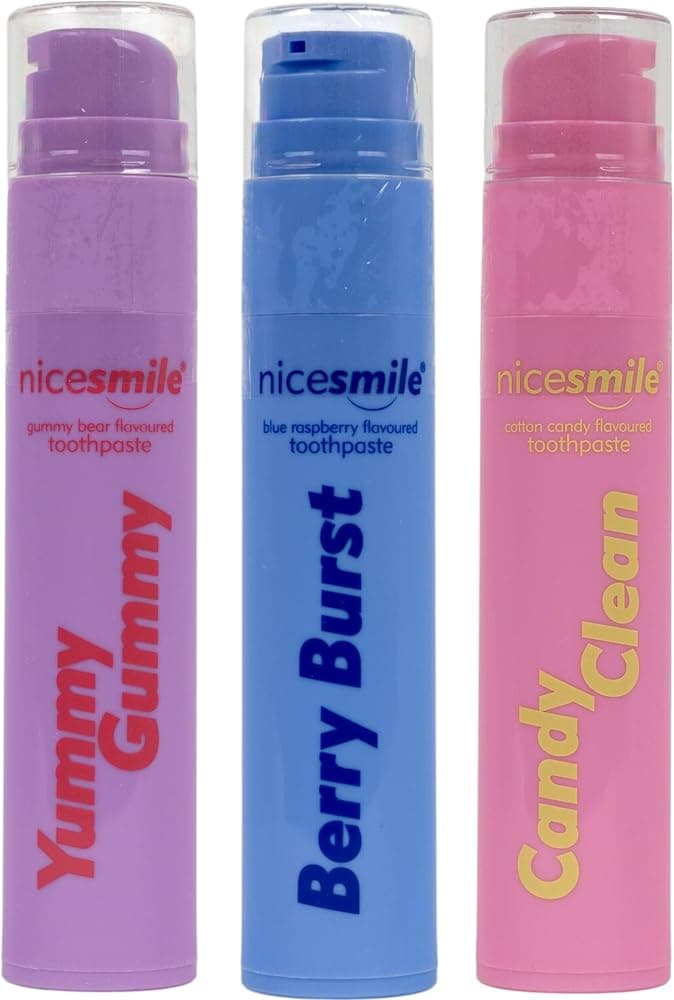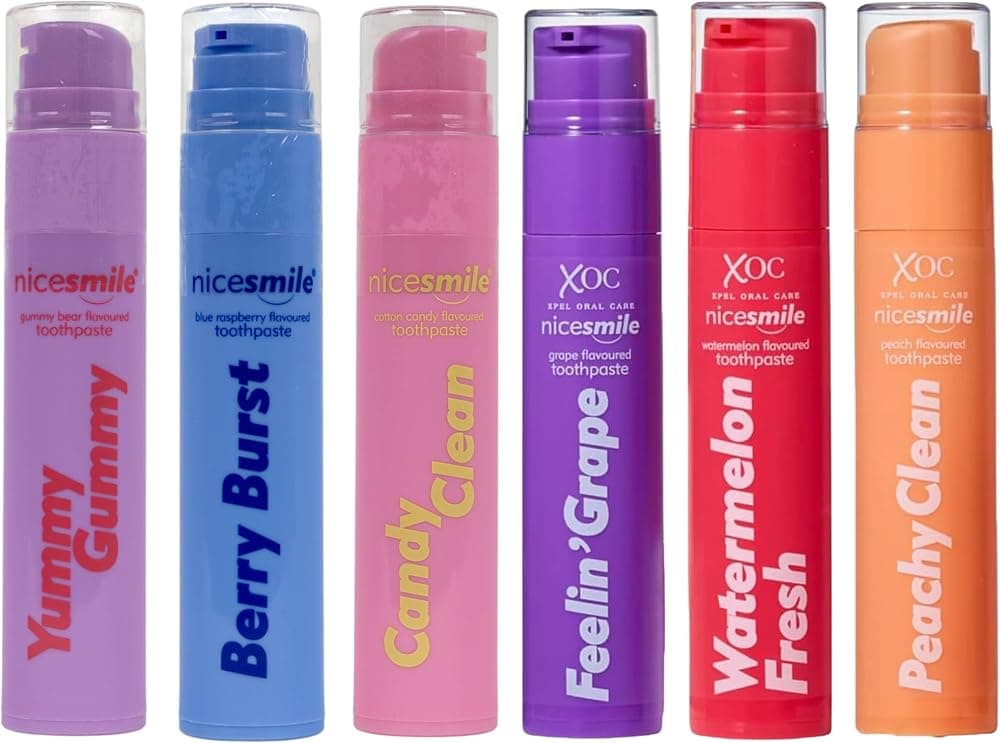
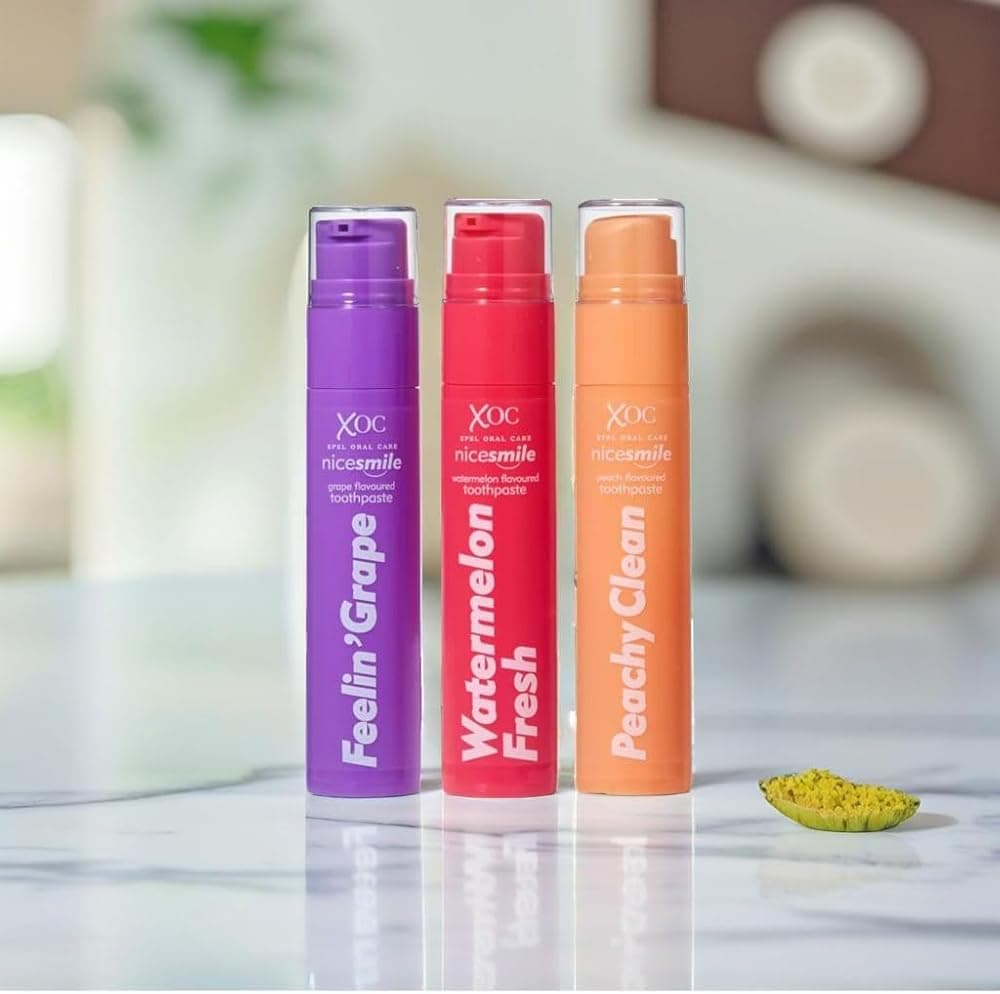
A unit price is the cost of a product per standard amount, such as per 100g, per 100ml, per litre or per item. To work one out, divide the price by the quantity. Because it strips out pack size, the unit price is the fairest way to compare a small tube with a big bottle, or a single with a multipack, and it's usually the quickest way to spot a real bargain.
You'll often see unit prices in small print on supermarket shelf labels and on many online listings, including plenty on Amazon. This guide shows you how to read them, how to work them out yourself when they're missing, and the handful of traps that can make a "cheap" pack cost more than it looks.
What is a unit price?
The headline price tells you what you'll pay at the till. The unit price tells you what you're paying for the stuff inside. Common units include:
- Per 100g or per kg for products sold by weight, such as shampoo bars and some toothpastes
- Per 100ml or per litre for products sold by volume, such as shampoo, conditioner, shower gel and many toothpastes
- Per item or "each" for things that come in identical units, such as tubes in a multipack
- Per sheet, wash or use for products like wipes, toilet roll or laundry capsules
Different shops sometimes use different units for similar products, which is one of the traps covered below.
Where to find the unit price
- On a shelf label, it's usually the smaller figure near the main price, often written as something like "£x.xx per 100g".
- On Amazon and other online shops, it's often shown in brackets next to the price. Each pack size on the same listing can have its own unit price, so check again when you switch options.
- When it's missing, find the size or count in the product title or details and work it out yourself. That takes one line of maths, as you'll see next.
How to calculate a unit price
The formula is simple:
Unit price = price ÷ quantity
For a per-100g or per-100ml figure, divide the price by the total weight or volume, then multiply by 100.
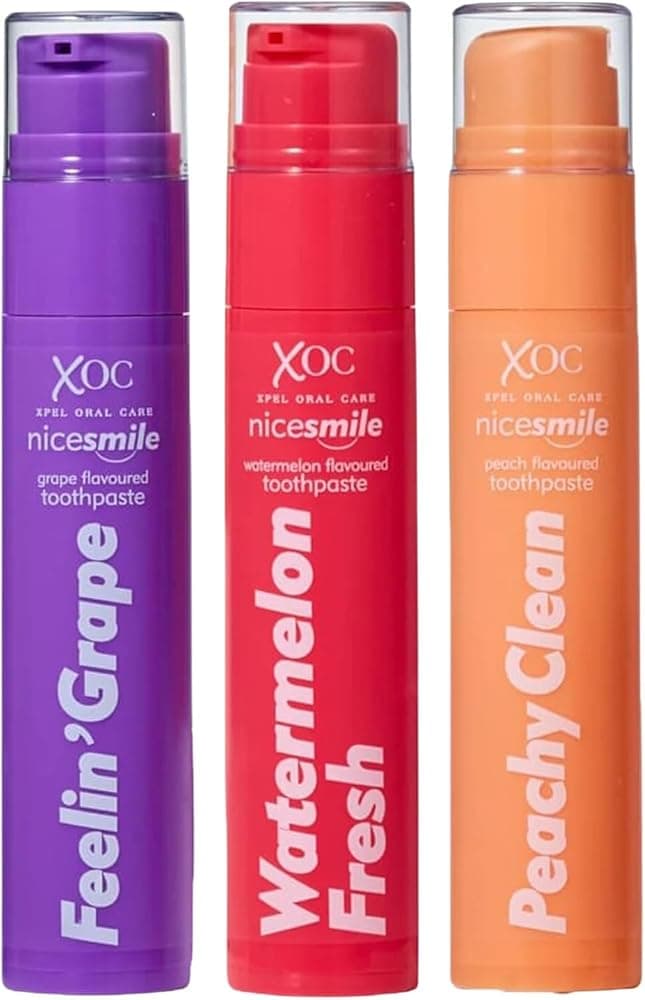
Let's try it with the Nice Smile 3 Pack in Watermelon Fresh, Feelin' Grape and Peachy Clean, which was £12.99 at the time of writing:
- Per tube: £12.99 ÷ 3 tubes = £4.33 per tube
- Total weight: 3 × 60g = 180g
- Per 100g: £12.99 ÷ 180 × 100 = £7.22 per 100g
Now compare that with a single 60g tube of Nice Smile Watermelon Fresh at £7.95. Per 100g, that's £7.95 ÷ 60 × 100 = £13.25. The 3 pack costs about 45% less per gram, and you get three flavours instead of one. If you spotted that before reading the maths, you're one in a melon.
Per item or per 100g: which should you use?
- Use per item when every item is the same size, such as a 3 pack of 60g tubes against a 12 pack of 60g tubes.
- Use per 100g or per 100ml when sizes differ, such as a 250ml bottle against a 300ml one.
Worked examples: real toiletry unit prices
Here's how the unit price changes across pack sizes of Nice Smile toothpaste, using prices from the time of writing.
| Option | Price | Per tube | Per 100g |
|---|---|---|---|
| Watermelon Fresh, single 60g | £7.95 | £7.95 | £13.25 |
| 3 Pack, 3 × 60g | £12.99 | £4.33 | £7.22 |
| 6 Pack (All Flavours), 6 × 60g | £21.99 | £3.66 | £6.11 |
| 12 Pack, 12 × 60g | £24.95 | £2.08 | £3.47 |
The same idea works for haircare. A single 250ml XHC No Rinse Conditioner at £7.99 works out at £3.20 per 100ml. The 3 Pack, three 250ml bottles for £17.99, comes to £2.40 per 100ml. Same range, same bottle size, a quarter less per millilitre.
Unit price traps to watch for
Different units for similar products
One listing shows a price per 100g, another per kg, a third per item. Convert them to the same unit before you compare: a per-kg price divided by 10 gives you the per-100g price.
Grams vs millilitres
Many UK toothpastes are sold by volume (75ml is a common tube size), while others, including Nice Smile, are labelled by weight in grams. Grams and millilitres aren't interchangeable unless you know the product's density, so treat a g vs ml comparison as a rough guide rather than an exact one.
The bigger pack isn't always cheaper
It's tempting to assume the largest pack wins. Not always. At the time of writing, XHC Argan Oil Shampoo was available in three pack sizes, all 300ml bottles:
| Pack | Price | Per bottle | Per 100ml |
|---|---|---|---|
| Twin pack | £9.99 | £5.00 | £1.67 |
| 3 pack | £12.99 | £4.33 | £1.44 |
| 6 bottle stock-up | £28.47 | £4.75 | £1.58 |
The 3 pack had the lowest unit price, beating the 6 bottle stock-up. Only the unit price reveals that. There's more on this in our guide to whether multipacks are really cheaper.
Offers and multibuys
A temporary discount or a multibuy offer changes the maths. Recalculate the unit price at the offer price rather than assuming the usual pattern still holds.
Unit price isn't price per use
A unit price measures what's in the pack, not how far it goes. A 2-in-1 shampoo and conditioner bar does two jobs, so compare it with the combined cost of a shampoo and a conditioner rather than shampoo alone. Children's toothpaste goes further than you might think, too: the NHS recommends only a smear for under-3s and a pea-sized amount for children aged 3 to 6. Our guide to how long a tube of toothpaste lasts looks at how far a tube really goes.
What a unit price can't tell you
A low unit price is a strong signal, but it isn't the whole picture. Before you buy, also ask:
- Will it all get used? A multipack that's cheap per gram but expires half-used isn't cheap.
- Will people actually like it? A flavour or scent nobody enjoys is money wasted, however low the unit price.
- Is it the right product? Check ingredients and suitability, such as the fluoride level on toothpaste for young children, or whether a conditioner suits your hair type.
- Do you have room for it? Bulk buys you can't store neatly tend to get forgotten.
A quick unit price cheat sheet
| You want | Do this |
|---|---|
| Price per item | Price ÷ number of items |
| Price per 100g | Price ÷ total grams × 100 |
| Price per 100ml | Price ÷ total ml × 100 |
| Per 100g from a per-kg price | Per-kg price ÷ 10 |
| Per 100ml from a per-litre price | Per-litre price ÷ 10 |
| Total saving vs singles | (Single price minus multipack price per item) × number of items |
Screenshot it, stick it on the fridge, or just remember the first line: price divided by quantity.
The bottom line
The unit price is the small number that settles the "which pack is cheaper?" question. Divide the price by the quantity, compare like with like, and remember that the biggest pack doesn't always win. Then weigh up whether you'll actually use it all.
At PoundMart, most of our bundles bring the unit price down as the pack size goes up, with the occasional honest exception you've seen above. You can check them side by side in our toothpaste collection.
Frequently asked questions
What does unit price mean?
A unit price is the cost of a product per standard amount, such as per 100g, per 100ml or per item. It lets you compare products of different sizes fairly, because it shows what you pay for the contents rather than the pack.
How do you calculate price per 100g?
Divide the price by the total weight in grams, then multiply by 100. For example, a £12.99 pack of three 60g tubes is 180g in total, so £12.99 ÷ 180 × 100 = £7.22 per 100g.
Is a lower unit price always better value?
Not always. A lower unit price means you pay less for the contents, but it's only good value if you'll use it all before it expires and it's the right product for you. A bulk pack that goes to waste can end up costing more.
Why do different shops use different units?
Listings don't always follow one standard, so you might see per 100g, per kg or per item for similar products. Convert them to the same unit before comparing: divide a per-kg or per-litre price by 10 to get the price per 100g or per 100ml.
Where do I find the unit price on Amazon?
On many listings, Amazon shows a unit price in brackets beside the main price, such as a price per 100ml or per item. If you can't see one, check the product title or details for the size and count, then divide the price by the quantity yourself.