To moisturise afro hair, add water-based moisture first (plain water or a water-based leave-in conditioner), then seal it in with an oil, butter or cream, and protect your hair overnight with satin. Repeat the moisture step whenever your hair starts to feel dry, often every two to three days. Oil on its own won't moisturise dry hair; it can only lock in the water that's already there.
That one idea (water first, then seal) is the heart of every good afro hair routine. This guide explains why afro hair gets dry, which ingredients actually hydrate, how to use the LOC and LCO methods, and a simple weekly routine you can adapt for your own coils.
Why afro hair gets dry so easily
Afro hair is usually tightly coiled, and that shape is the main reason it's prone to dryness. The scalp's natural oil, sebum, travels down straight hair fairly easily, but it struggles to follow the tight twists of a coil. So while your scalp may feel fine, your lengths and ends can feel dry and brittle.
The bends in each coil are also natural weak points, where the hair's outer layer (the cuticle) is more likely to lift. When it lifts, moisture escapes more quickly and strands are more prone to snapping, especially when they're combed dry or handled roughly.
None of this means afro hair is "difficult". It just needs a routine built around putting moisture in, keeping it there and handling hair gently.
Moisture vs oil: what actually hydrates afro hair?
This is where many routines go wrong. Different ingredients do different jobs, and you need more than one of them.
| Ingredient type | What it does | Common examples |
|---|---|---|
| Water and water-based products | Hydrates the hair; this is the moisture | Water, leave-in conditioners, moisturising sprays |
| Humectants | Attract and hold water in the hair | Glycerin, aloe vera, honey, panthenol |
| Oils | Soften, add shine and slow moisture loss | Argan, avocado, olive, jojoba, coconut |
| Butters and creams | Heavier seal for thick or very dry hair | Shea butter, mango butter, cocoa butter |
In short: water hydrates, humectants help hold it, and oils and butters seal. That's why a water-based leave-in conditioner is such a useful first step. It gives the hair moisture and conditioning in one go, ready to be sealed.
Some people find that glycerin-heavy products behave differently in very dry or very humid weather. If your hair feels sticky or frizzy on certain days, the weather could be part of the reason.
The LOC and LCO methods
These are two popular ways to layer products so moisture lasts longer:
- LOC: Liquid, Oil, Cream. Start with water or a leave-in, seal with a light oil, then finish with a cream to smooth and hold.
- LCO: Liquid, Cream, Oil. Start with water or a leave-in, add a cream, then finish with oil to seal everything in.
Which one should you choose?
There's no strict rule, so treat it as an experiment. As a rough guide:
- If your hair soaks up products quickly but feels dry again by the next day, LOC is worth trying, as the cream on top adds an extra barrier.
- If products tend to sit on top of your hair and leave it greasy, LCO with a light oil and less product overall can feel better.
Try one method for a couple of weeks, then the other, and notice which leaves your hair softer for longer.
A simple weekly routine to moisturise afro hair
A wash day once a week or every other week is common for afro hair. Here's a routine to build on.
Wash day
- Pre-poo (optional). Coat your lengths in an oil or conditioner for 15 to 30 minutes before washing to cushion the hair.
- Cleanse the scalp gently. Focus shampoo on the scalp and let the suds run through the lengths. If your hair feels stripped afterwards, a sulphate-free shampoo may suit you better; our guide to what sulphate-free and paraben-free really mean explains what to look for.
- Condition generously. Use a rinse-out or deep conditioner, ideally under a shower cap for extra time.
- Detangle while conditioner is in. Work in sections with your fingers or a wide-tooth comb, starting at the ends and moving up to the roots.
- Apply leave-in to damp hair. Section by section, smooth leave-in conditioner through the lengths, then follow with your oil and cream.
- Style. Twists, braids, bantu knots or a wash-and-go all help keep moisture in and reduce handling during the week.
Mid-week refresh
When your hair starts feeling dry (often two or three days after wash day), lightly mist it with water, smooth a little leave-in through the lengths and seal the ends with a small amount of oil.
Every night
Cover your hair with a satin bonnet or scarf, or sleep on a satin pillowcase. Cotton absorbs moisture and creates friction, which is exactly what afro hair doesn't need.
| When | What to do | Why |
|---|---|---|
| Wash day | Cleanse, condition, detangle, leave-in, seal, style | Resets the hair and adds a full layer of moisture |
| Every 2 to 3 days | Mist with water, add leave-in, seal the ends | Tops up moisture before hair gets brittle |
| Every night | Satin bonnet, scarf or pillowcase | Reduces friction and moisture loss while you sleep |
| Every few months | Trim the ends | Removes split ends before they travel up the strand |
Choosing a leave-in conditioner for afro hair
A leave-in conditioner is the workhorse of a moisture routine, so it's worth choosing carefully. Look for:
- Water as the first or second ingredient, so the product actually hydrates.
- Conditioning ingredients that help with detangling and softness.
- Nourishing oils that support softness and help reduce frizz.
- A texture that suits your hair. Lighter leave-ins are easy to layer; richer ones may be enough on their own for thick hair.
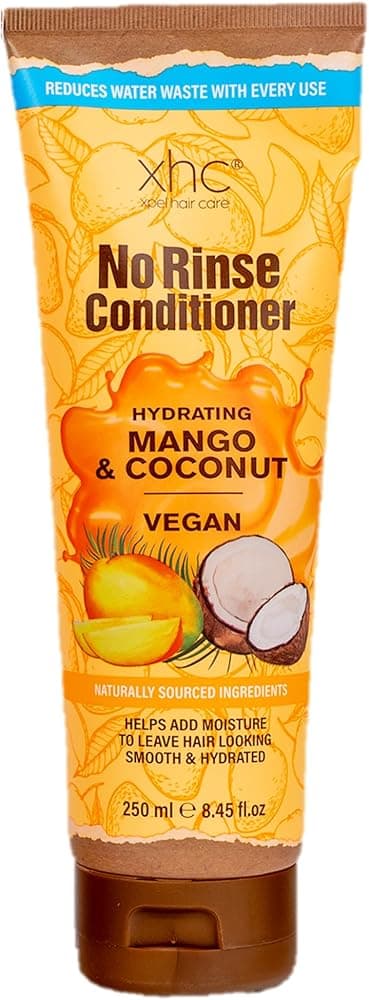
At PoundMart, the leave-in we sell is the XHC Vegan No Rinse Conditioner. It's a 250ml leave-in made for curly, afro and dry or damaged hair: lightweight, rinse-free and infused with argan, avocado and olive oils for hydration and frizz control. It's also vegan, sulphate-free and cruelty-free, and you can choose from Mango & Coconut, Dragon Fruit & Vanilla or Cherry & Almond.
When we checked in September 2026, a single XHC Vegan No Rinse Conditioner was £7.99 or £8.99 depending on the scent. If you get through leave-in quickly, the 3 pack with all three scents worked out cheaper, at £17.99 for three bottles (£6.00 each).
Because it's lightweight, it works well as the "L" in LOC or LCO: apply it to damp hair, then seal with your favourite oil or butter. If argan oil is on your shortlist, our guide to argan oil for hair explains what it can and can't do.
Protective styles and moisture
Braids, twists, cornrows, locs and wigs can all reduce daily handling and help protect your ends. But a protective style isn't a pause button on moisture.
- Keep moisturising underneath. Lightly mist braids or twists with water or a diluted leave-in and seal with a little oil, paying attention to the lengths.
- Don't go too tight. Styles that pull at the scalp can cause a type of hair loss called traction alopecia. If a style hurts, causes bumps or leaves your edges thinning, loosen it or take it out.
- Don't leave styles in too long. Ask your stylist how long is right for your hair, and give your hair and scalp some time between installs.
- Take down gently. Detangle with plenty of conditioner, working slowly from the ends.
Mistakes that dry afro hair out
A few common habits can undo all your hard work:
- Using oil on dry hair and expecting moisture. Oil seals; it doesn't hydrate. Always add water or a water-based product first.
- Frequent high heat. Blow-drying and straightening on high settings can leave hair drier and more fragile. Use the lowest effective heat and a heat protectant.
- Harsh cleansing. Shampoos that leave your hair feeling squeaky and tight may be too stripping for you.
- Rough towel drying. Rubbing with a terry towel roughs up the cuticle. Squeeze gently with a microfibre towel or cotton T-shirt.
- Detangling dry. Always detangle on damp hair coated in conditioner.
- Too much product build-up. Heavy layers can stop moisture getting in. A good wash day resets things.
When to get advice
If your scalp is itchy, flaky or sore, or you notice patches of hair loss, sudden breakage or thinning edges, talk to a pharmacist or your GP. They can help work out the cause and point you towards the right treatment.
The bottom line
Moisturising afro hair comes down to a simple order: water first, then seal. Use a water-based leave-in conditioner on damp hair, lock it in with an oil, cream or butter, refresh every few days and protect your hair with satin at night. Handle it gently, keep heat low and trim your ends regularly. Once you find the layering method your coils like best, soft hair all week becomes the norm, not the exception.
For more shampoos, conditioners and leave-ins, explore our haircare collection.
Frequently asked questions
How often should I moisturise afro hair?
A good starting point is every two to three days, with a full moisture routine on wash day. Some hair needs a daily light mist, while other hair stays soft all week. Let your hair guide you: if the ends feel dry, rough or brittle, it's time to top up.
Is oil a moisturiser for afro hair?
Not on its own. Oils soften hair and slow down moisture loss, but they don't add water, which is what actually hydrates. Apply water or a water-based leave-in first, then use oil to seal it in.
Is water good for afro hair?
Yes. Water is the moisture your hair needs, which is why it's the first step of the LOC and LCO methods. The key is to seal it in afterwards so it doesn't evaporate straight away.
What should I look for in a leave-in conditioner for afro hair?
Look for water high up the ingredients list, conditioning ingredients for slip and detangling, and nourishing oils. Choose a lighter formula if you like to layer products, or a richer one if your hair is very thick or dry.
How can I stop afro hair from breaking?
Keep it moisturised, detangle only when damp and full of conditioner, keep heat low, sleep on satin and trim your ends regularly. Avoid styles that pull tightly at the scalp. If breakage is sudden or comes with scalp problems or hair loss, speak to a pharmacist or GP.