If you're trying to work out the real leave in conditioner benefits before buying one for your child's hair, here's the honest answer: it makes hair easier to comb through, softer, and less likely to frizz or snap between washes, without any rinsing. It will not grow hair faster, repair damage that's already done, or replace a proper wash day. For parents facing nightly brushing battles, tangled curls after swimming lessons, or a toddler who bolts at the sight of a comb, that gap between 'easier to manage' and 'completely fixed' matters.
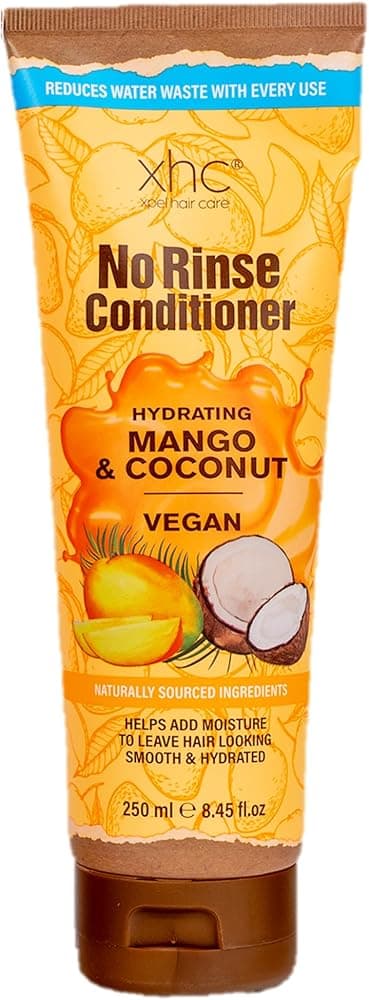
Leave-in conditioner sits on the hair after a bath or shower rather than being rinsed out, which is exactly why it suits children. There's no standing under running water, no stinging eyes, and no extra step at the end of a routine that's already taken twenty minutes longer than planned. PoundMart's XHC Vegan No Rinse Conditioner is a 250ml spray made for curly, afro and damaged hair, formulated without sulphates and never tested on animals, in Cherry & Almond, Dragon Fruit & Vanilla and Mango & Coconut.
Leave in conditioner benefits that actually make a difference at home
Strip away the marketing language and a few real, noticeable benefits remain:
- Easier detangling. A light coating on damp hair lets a comb or brush slide through knots instead of catching on them, which means less pulling and fewer tears before bed.
- Softer, less brittle strands. Hair that's conditioned regularly feels less rough to the touch and is less likely to snap when it's being brushed or tied up for school.
- Less frizz between washes. For curly and afro hair especially, a leave-in helps hold moisture in so hair doesn't dry out and puff up as quickly.
- No extra rinsing step. For a wriggly toddler, or a school morning with ten minutes to spare, spraying and combing through is far quicker than a full wash and rinse.
- Works well after swimming. Chlorine and salt water both dry hair out, so a leave-in applied afterwards helps counter that without needing another full wash.
None of this is dramatic. It's the kind of quiet, practical improvement that makes a daily routine slightly less of a fight, which, if you've ever tried to brush a reluctant six-year-old's hair before the school run, is worth more than it sounds.
What it won't do, and where the limits are
A leave-in conditioner is a styling and maintenance product, not a treatment. It won't:
- Make hair grow faster or thicker. Growth is determined by genetics, age and general health, not by what's sprayed on the ends.
- Repair split ends or hair that's already damaged from heat, bleach or rough brushing. It can make damaged hair feel smoother for a while, but it doesn't reverse the damage.
- Replace washing. Hair still needs a proper shampoo on a normal schedule to remove dirt, sweat and product build-up; a leave-in sits on top of clean hair, it doesn't clean it.
- Fix severe tangling caused by going too long between washes or brushes. If hair is matted, gentle detangling with a wide-tooth comb, working from the ends up, is still the safer approach than relying on conditioner alone.
If a child has a scalp condition, persistent dryness, or a reaction to a product, that's a conversation for a pharmacist, GP or dermatologist rather than something to solve by trying another conditioner. For more detail on how leave-in products work and the right way to apply them, this guide to leave-in conditioner and the one on using leave-in conditioner for curly hair specifically both go into the mechanics further.
Choosing the right leave-in for curly, afro or damaged hair
Not every conditioner suits every hair type. Curly and afro hair in particular tends to be drier by nature, because natural oils from the scalp have a harder time travelling down a curved hair shaft, so it often benefits most from a leave-in that's designed with that in mind. How to moisturise afro hair and keep it soft all week covers this in more depth if dryness is the main issue rather than tangling alone.
When choosing one for a child, look for:
- Sulphate-free and cruelty-free formulas, which tend to be gentler and more widely recommended for younger or sensitive hair.
- A scent the child actually likes, since a product they enjoy using is one they'll tolerate without a fuss at bath time.
- A size that suits your routine, whether that's a single bottle to trial or a multi-pack if more than one child in the house needs it.
The full haircare collection has the range side by side if you want to compare. XHC's no-rinse conditioner is available as a single 250ml bottle to try one scent first, or as a 3 pack covering Cherry & Almond, Dragon Fruit & Vanilla and Mango & Coconut, which works well if siblings have different preferences or you simply don't want to run out mid-term.
Fitting it into bedtime, school mornings and holidays
The easiest way to use a leave-in conditioner with children is to build it into a routine that already exists, rather than adding a new one:
- After the bath, on damp hair. Spray or smooth it through towel-dried hair before bed, so it has time to work overnight and mornings start with less resistance.
- Comb gently from the ends upward. This causes far less pulling than starting at the roots, and it's worth teaching older children to do it themselves this way.
- A quick top-up before school. A small amount on dry hair in the morning can settle flyaways without needing a full reapplication.
- Pack a travel-size version for trips. For a family holiday, a leave-in conditioner is useful after days spent in a pool or at the beach, when hair dries out faster than usual. The travel toiletries checklist is worth a look before you pack, since liquid rules vary by airport and it's worth checking the current limits before you fly.
A consistent routine, even a short one, tends to reduce the nightly stand-off far more than any single product does.
Keeping costs sensible with more than one child
If you've got two or three children each needing their hair detangled most days, a single bottle disappears faster than expected. Buying a multi-pack generally brings the cost per bottle down compared with buying singles each time you run out, which matters when you're restocking several bathroom essentials at once rather than just one. The 3 pack of XHC No Rinse Conditioner covers three different scents in one purchase, which also means less arguing over whose bottle is whose. If you want to see how the maths works out more generally, how to save money on toiletries and are multipacks cheaper, an honest answer both set out the reasoning without any guesswork.
Orders go through Amazon, so delivery timing, Prime eligibility and tracking all show up at checkout and in Your Orders as usual, and any return within 30 days follows Amazon's normal returns process. If you have a question about a PoundMart bundle itself, you can always get in touch directly.
Frequently asked questions
Is leave-in conditioner safe for young children's hair?
Generally yes, when used as directed and chosen with sensitive or younger hair in mind. If a child has a known allergy, sensitive scalp, or reacts to a new product with redness or irritation, stop using it and speak to a pharmacist or GP rather than continuing.
How often should I use leave-in conditioner on my child's hair?
Most families find using it after each wash is enough, with a light top-up on dry hair in the morning if needed. There's no need to apply it multiple times a day; more product doesn't mean more benefit, and build-up can make hair feel heavier rather than softer.
Can leave-in conditioner replace regular shampoo?
No. It conditions hair that's already clean; it doesn't remove dirt, sweat or product residue the way shampoo does. Hair still needs washing on a normal schedule, and a leave-in simply makes the days in between more manageable.
Will leave-in conditioner help with frizzy or afro hair specifically?
It can help noticeably, because it adds moisture that curly and afro hair types tend to lose more easily. It won't change the natural curl pattern or texture, but it does tend to reduce frizz and make detangling gentler, which is often the main goal for parents dealing with daily brushing.