
Is co-washing good for curly hair? For a lot of curly and afro hair types, yes, at least some of the time. Co-washing means cleansing your hair with conditioner instead of shampoo, and it tends to suit hair that gets dry easily and doesn't need washing every day. It isn't a universal upgrade though. It works less well on fine or oily hair, and it isn't a replacement for ever using shampoo. Here's the honest version, pros, cons and all, rather than the version that sells you something.
This matters more than it sounds for a busy household. If four people share one bathroom and one of them has curls that frizz the moment a flannel touches them, the washing routine that works for straight hair often doesn't work for theirs. Knowing what co-washing actually does, and what it doesn't, saves money and saves hair.
What co-washing actually is
Co-washing is simply using a rinse-out conditioner to cleanse the hair and scalp, rubbing it in the way you would shampoo, then rinsing it out. There's no lather and no foam. The idea is that conditioner is gentler than shampoo, so it cleans without stripping out as much natural oil.
Curly and afro hair is often drier than straight hair to begin with, because the natural oils from the scalp have a harder time travelling down a curved or coiled hair shaft. Washing with a standard shampoo, which is designed to cut through oil, can leave curls feeling rough, dull or frizzy if it's done too often. That's the gap co-washing is trying to fill.
It's worth being clear that co-washing is different from using a leave-in conditioner. A leave-in goes on after you've washed your hair (whether with shampoo or by co-washing) and stays in, adding moisture without being rinsed out. Co-washing replaces the wash itself. If you want the fuller picture on leave-ins, what is leave-in conditioner explains how they work.
Is co-washing good for curly hair: the honest pros and cons
The case for co-washing on curly or afro hair:
- It's gentler than shampoo, so curls that dry out fast tend to stay softer for longer.
- It can mean less frizz, because you're not repeatedly stripping the oils that help curls hold their shape.
- It fits naturally with a routine where you're not washing every day anyway, which suits a lot of curl patterns.
The case against, and it's a real one:
- Conditioner isn't designed to deep-clean a scalp. Product, sweat and general daily grime can build up over time if you co-wash exclusively.
- Fine or oily hair generally doesn't get on with co-washing. Without shampoo's cleansing action, hair can end up looking flat or weighed down rather than soft.
- It's not a one-and-done swap. Most people who co-wash still use a proper shampoo now and then, sometimes called a clarifying wash, to clear anything conditioner alone leaves behind.
So the straight answer is: co-washing suits dry, curly or afro hair that's prone to frizz, used alongside (not instead of) the occasional shampoo wash. It doesn't suit fine, straight or oily hair, and it's not a fix if the real problem is something else, like heat damage or a scalp condition, in which case a GP or pharmacist is a better first call than a change of product.
Who it suits, and who it doesn't
A few situations where co-washing tends to make sense:
- Hair that's naturally curly, coily or afro-textured and feels dry or brittle after a normal wash.
- A routine where hair is only washed once or twice a week, so the scalp isn't going weeks without any cleansing.
- Someone who's already noticed their hair feels better with less shampoo, and wants to formalise that into a routine.
A few situations where it usually doesn't:
- Fine, straight hair that gets greasy quickly. Shampoo is doing a job there that conditioner can't.
- An oily scalp, or a scalp condition like dandruff, where a GP, pharmacist or dermatologist is the right person to ask rather than experimenting with routine changes.
- Hair that's heavily styled with products daily. Co-washing alone may not shift enough buildup, and a periodic shampoo wash becomes essential rather than optional.
If you're working out your wider wash routine, not just whether to co-wash, how often should you wash your hair covers the bigger picture by hair type, and conditioner before or after shampoo is useful once you're back on a normal shampoo-and-condition day.
Common mistakes with co-washing
- Using the wrong amount. Because there's no lather, it's easy to use too little and not actually cleanse properly, or too much and leave hair weighed down. Treat the application the way you would shampoo: work it through the scalp and lengths properly, not just a quick pass.
- Never shampooing at all. Most curly hair still benefits from an occasional proper wash to clear buildup that conditioner alone won't shift.
- Expecting it to fix frizz on its own. Co-washing helps reduce dryness, but frizz has other causes too, from towel-drying roughly to skipping a leave-in. How to stop frizzy hair covers the full routine, not just the wash step.
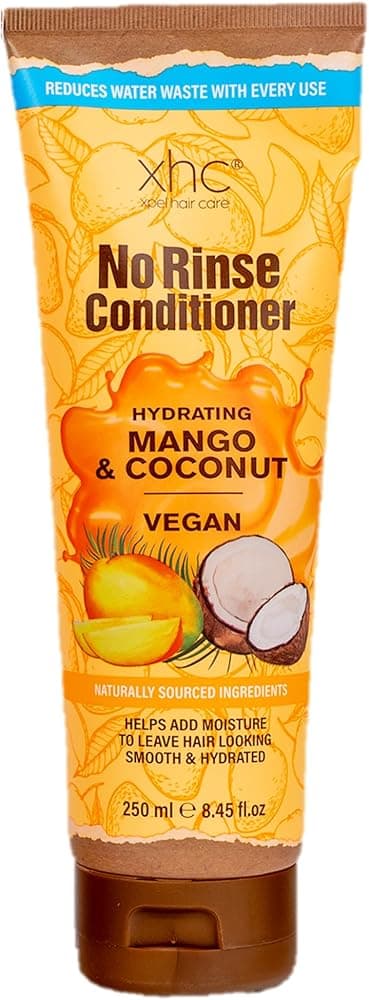
- Confusing a leave-in with a co-wash. They do different jobs. A leave-in conditioner, such as the XHC Vegan No Rinse Conditioner, a 250ml vegan leave-in made for curly, afro and damaged hair, goes on after washing and stays in. It isn't used to cleanse the hair in the first place.
How conditioner fits into a curly hair routine
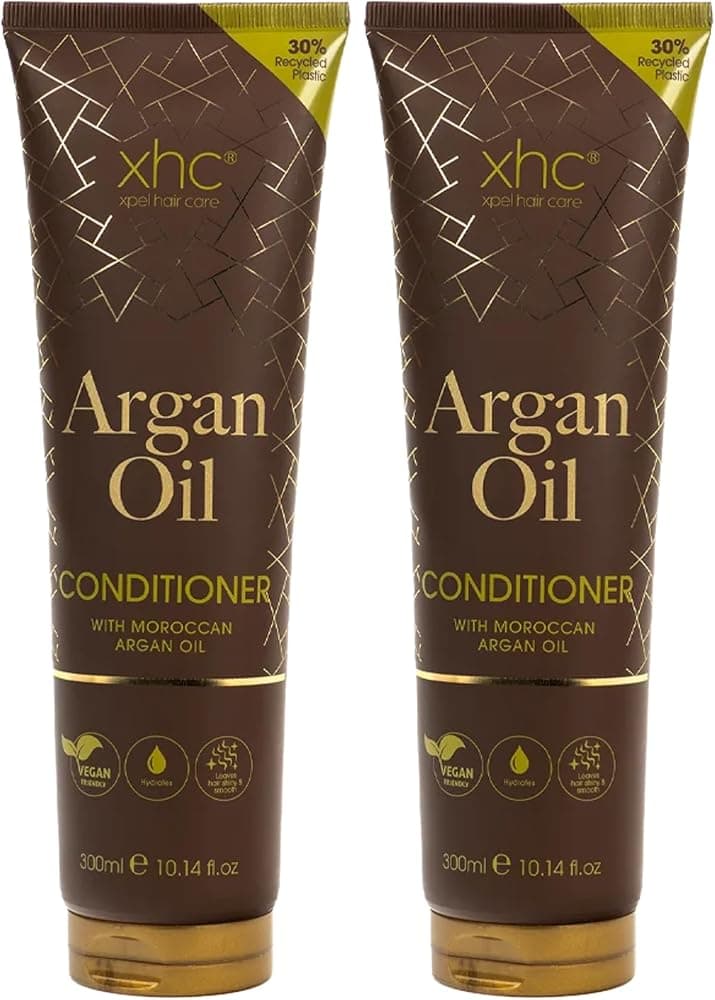
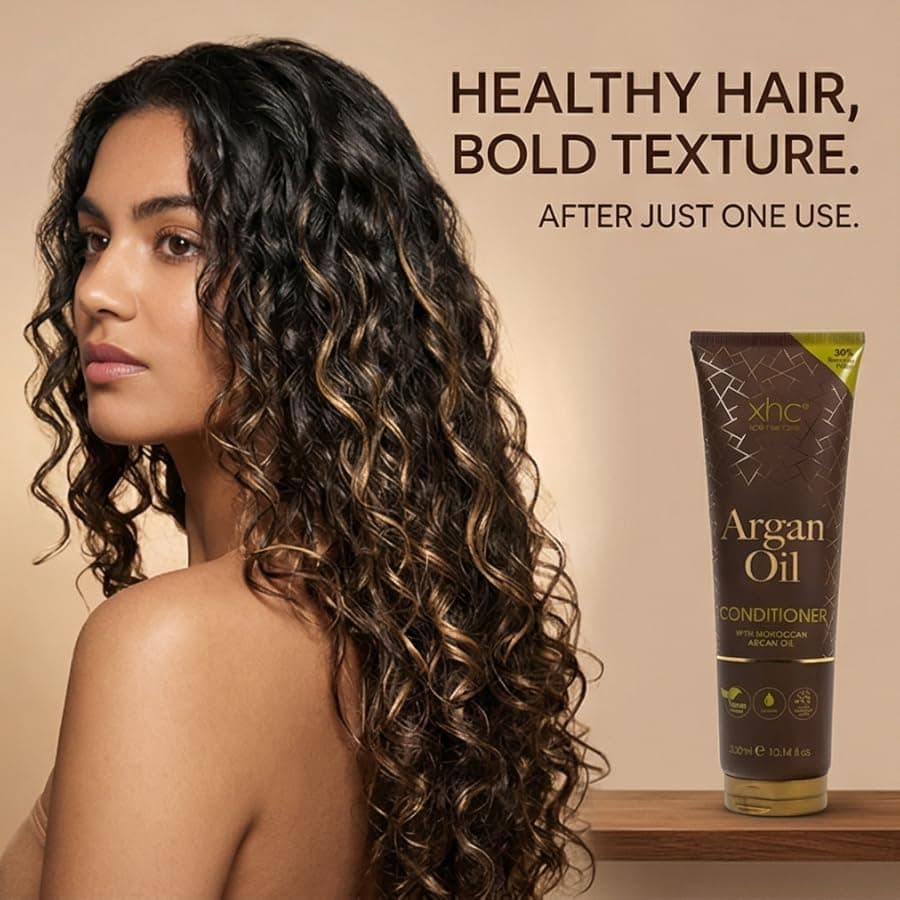
If you want to try co-washing, a plain, moisturising conditioner is what's generally used, applied the way you'd normally shampoo and rinsed out fully. A conditioner like the XHC Argan Oil Conditioner, a nourishing, moisturising, vegan friendly and paraben-free 300ml conditioner, is the kind of everyday product people reach for on wash day, whether that's a full shampoo wash or a gentler co-wash day in between.
On the days you do shampoo properly, following with a conditioner and then, if your hair needs it, a leave-in afterwards, is a reasonable routine for dry, curly or afro hair. For step-by-step guidance on using a leave-in well, see leave-in conditioner for curly hair. For keeping afro hair soft between washes specifically, how to moisturise afro hair is worth a read too.
Whichever way you land, the sensible approach for a busy household is to keep a couple of options in the bathroom cupboard rather than committing to one method forever. Curly and afro hair needs can change with the seasons, with styling habits, and with how often everyone's actually in the shower that week. The full haircare collection covers rinse-out conditioners, leave-ins and shampoos if you want to compare what's there. If you'd rather ask a direct question about which pack suits your routine, you can always get in touch.
Frequently asked questions
Can I co-wash every day?
It's possible, but most people who co-wash still do a proper shampoo wash periodically to clear buildup that conditioner alone won't remove. Washing daily with anything, shampoo or conditioner, can also be more than curly or afro hair actually needs, since over-washing tends to dry it out further.
Is co-washing the same as using a leave-in conditioner?
No. Co-washing replaces your usual shampoo wash with conditioner, rinsed out afterwards. A leave-in conditioner is applied after washing and stays in without rinsing. You can use both in the same routine, but they do different jobs.
Will co-washing work for frizzy, non-curly hair?
It can, if the frizz is caused by dryness rather than by hair type. Fine or oily hair generally doesn't respond well to co-washing, since it tends to leave hair looking flat rather than solving the frizz.
Do I need a special product to co-wash, or will any conditioner do?
Most people use a standard moisturising conditioner rather than anything marketed specifically for co-washing. The key is applying it properly, massaging it into the scalp and lengths the way you would shampoo, and rinsing it out fully.
What if co-washing isn't helping my hair or scalp?
If dryness, itching or flaking continues, that's a sign to speak to a pharmacist or GP rather than keep adjusting your wash routine on your own, since some scalp issues need more than a product change.