
Dry, tangled hair is rarely down to one big mistake. It is usually a handful of small, everyday habits that make dry hair worse, repeated night after night until the hair simply cannot keep up. The good news is that most of these habits are easy to spot and easy to change, without buying anything expensive or adding another twenty minutes to the evening routine.
This matters most with children's hair, because it gets more handling than an adult's: washed more often than it needs, brushed when it is tangled and dry, tied up tight for school, then dried quickly with a towel because tea needs to go on the table. None of that is neglect. It is just normal family life. But small adjustments can take a lot of the fight out of bedtime brushing.
Habits that make dry hair worse, and why they add up
Hair gets its softness and shine from a thin outer layer that lies flat when hair is healthy. Heat, friction and harsh washing lift that layer, which is what makes hair feel rough and look dull, and it is also what makes tangles worse. A few habits do most of the damage:
- Washing too often with a shampoo that strips more oil than it needs to.
- Brushing dry, tangled hair from the roots down, instead of starting at the ends.
- Drying hair by rubbing it hard with a towel.
- Tying hair up tightly straight after washing, while it is still fragile.
- Skipping conditioner on children's hair because it 'takes too long'.
On their own, each one seems minor. Together, several times a week, they explain why some children's hair always feels dry no matter how good the shampoo is.
Bedtime brushing battles
The classic mistake is brushing from the top. Starting at the scalp and pulling a brush straight through a knot drags on every tangle below it, which pulls hair, hurts, and snaps strands that are already weak from the day. It is also the single biggest reason bedtime brushing turns into a battle.
The better order is bottom to top: hold the hair gently a little above the knot, and brush the ends first in small sections, working upward only once the lower part is smooth. It takes a similar amount of time but causes far less pain, which matters more to a tired five-year-old than the parent holding the brush.
A leave-in conditioner applied after washing, or worked through dry lengths before brushing, gives the brush something to glide on rather than catch. XHC Vegan No Rinse Conditioner is designed for exactly this kind of tangled, damaged hair, it is a leave-in rather than a rinse-out, so there is no extra step in the bath, just a small amount worked through damp or dry hair before bed. If you want to understand how a leave-in product actually works before trying one, this guide to leave-in conditioner explains it without the jargon.
School mornings and the rush to wash
School mornings reward speed, and speed is where dry hair habits creep in. Hot water opens the hair up further than warm water does, so a quick hot shower before the school run can leave hair feeling drier by the afternoon, not fresher. Lukewarm water, finished with a cooler rinse if the child will tolerate it, is kinder to the hair without taking any longer.
The towel matters too. Rubbing wet hair with a towel roughs up the outer layer and is one of the quickest ways to create frizz that then gets tied up tight for the school day. Squeezing or gently patting the hair dry, rather than rubbing, protects it, and takes no extra time.
If school mornings mean hair goes straight into a tight plait or bobble while still damp, that is worth a second look too. Hair tied up wet and tight is under more strain than hair tied up once it has had a chance to dry a little, and tight styles repeated daily are a common, overlooked cause of breakage around the hairline. If frizz is the main complaint by home time, this piece on stopping frizzy hair covers the daily habits that help most.
Packing for a family holiday
Holidays bring their own version of the same mistakes, just concentrated into a week. Sun, salt water, chlorine and extra washing all dry hair out faster than a normal week at home, and packing one small bottle to share between everyone in the family often means hair gets washed with whatever is nearest, rather than something suited to it.
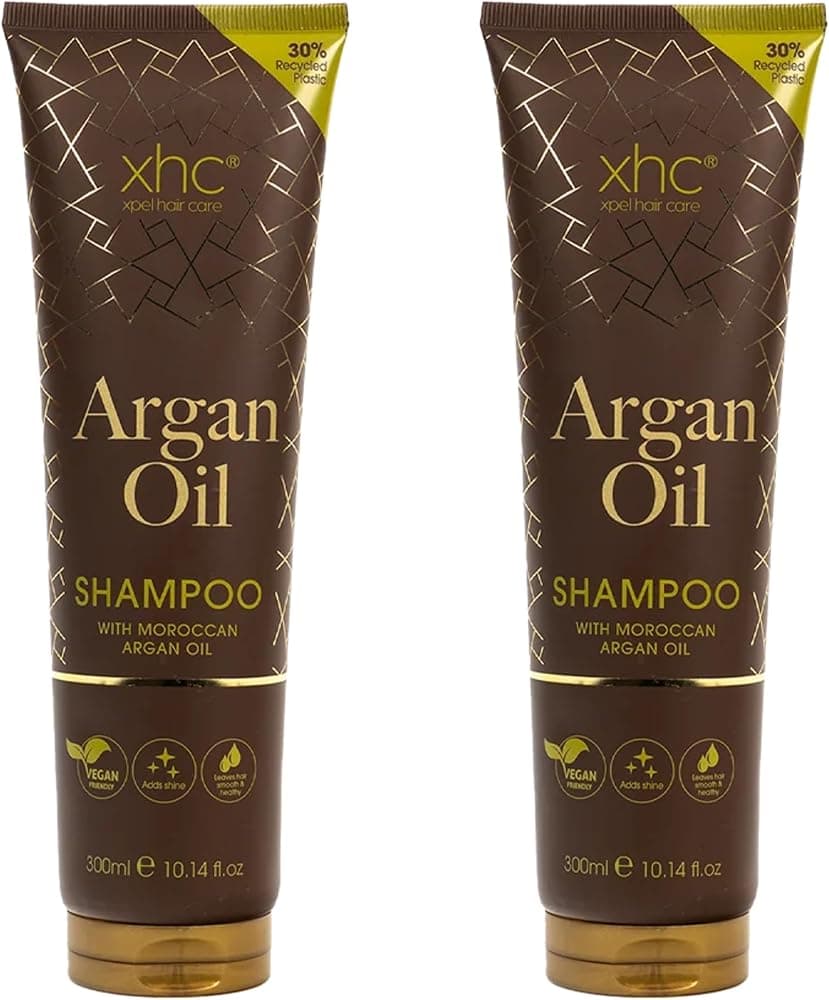
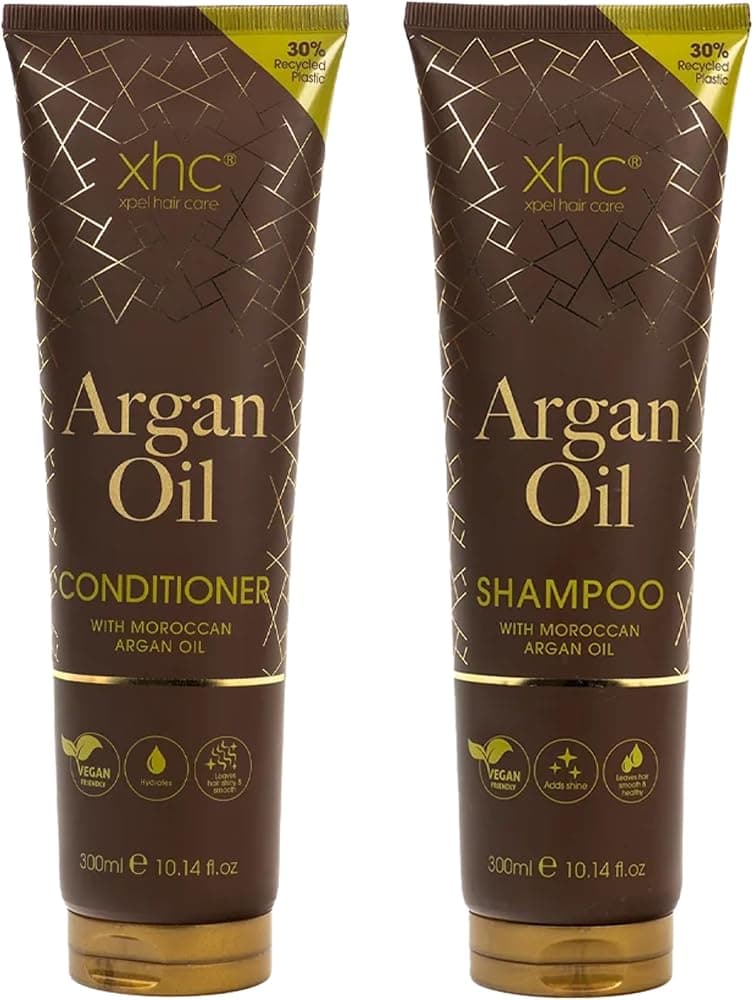
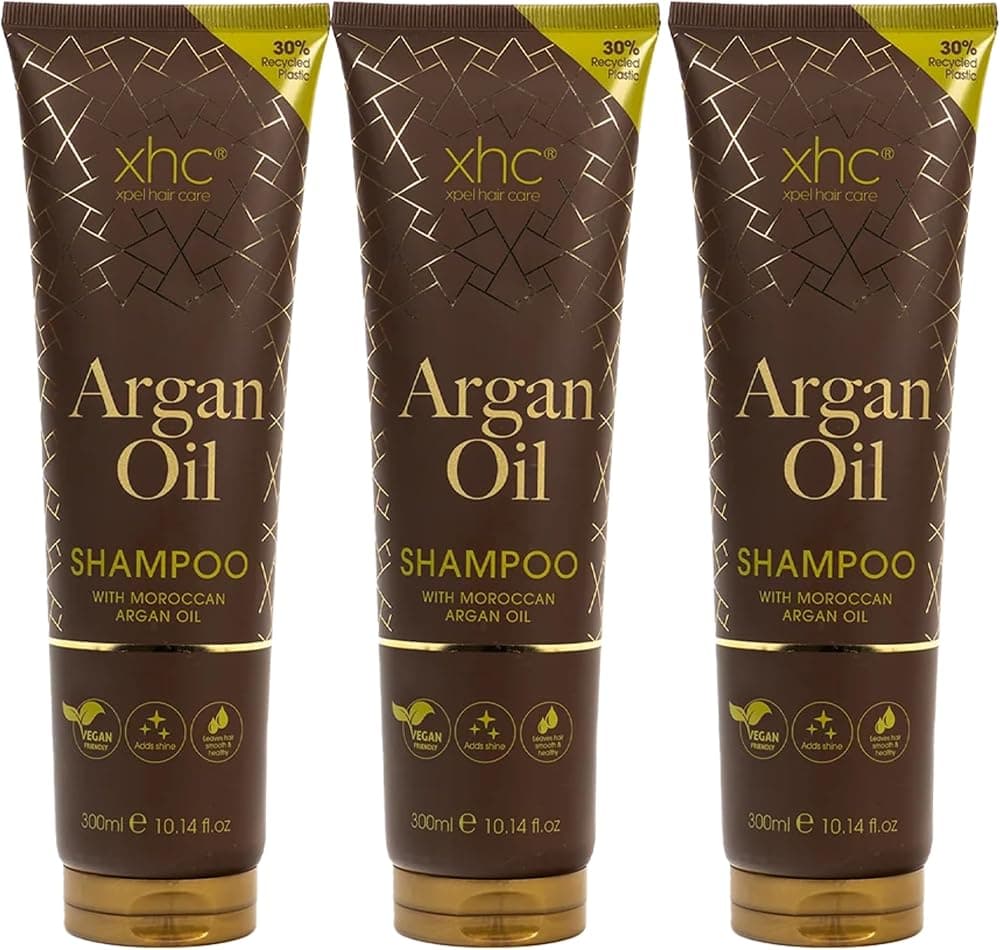
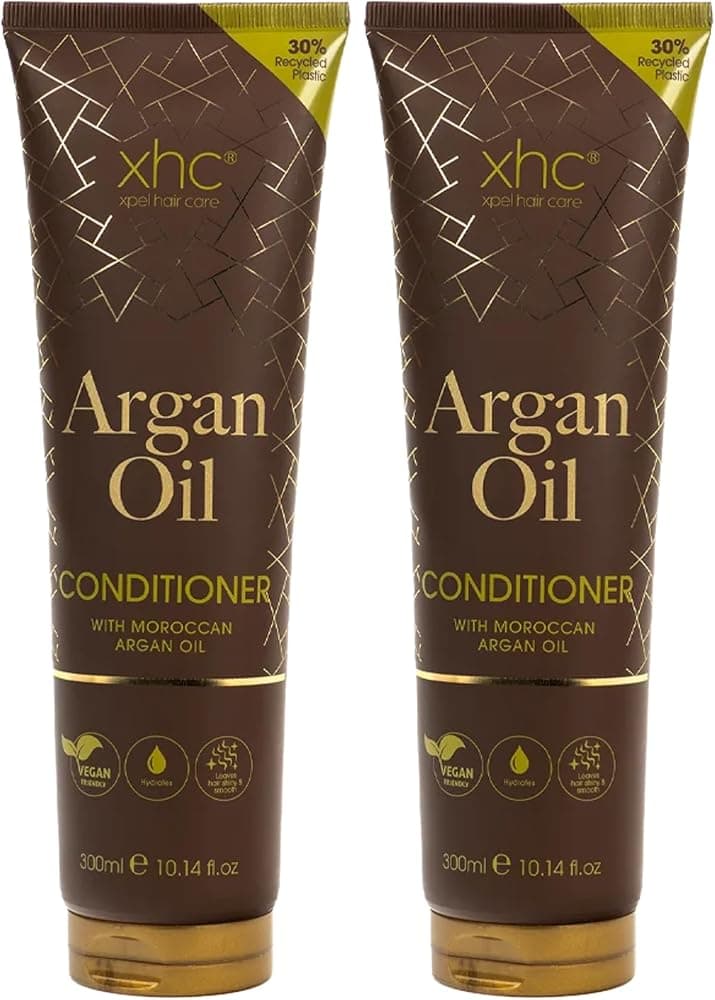
A shampoo built for dry or damaged hair, used consistently for the week, does more for a child's hair on holiday than any single treatment applied once. XHC Argan Oil Shampoo is formulated with Moroccan argan oil for dry or damaged hair, and pairing it with the matching conditioner gives softer, smoother hair without a complicated routine, which matters when you are packing for more than one child and trying to keep cases light.
Keeping costs down across several children is often where the harsh-shampoo habit starts in the first place: parents buy whatever is cheapest per bottle rather than what suits dry or damaged hair, then end up fighting more tangles all week. Buying a multi-pack built for the hair type actually in front of you tends to work out better value overall, since nobody is using the wrong product just because it is what is left in the cupboard. The full haircare collection is worth a look before a big shop or a holiday pack, so you can compare shampoo, conditioner and leave-in options in one place.
What to do instead: a simple routine that sticks
None of this needs a complicated system. A routine that actually survives a school week looks more like this:
- Wash with a shampoo suited to dry or damaged hair, using warm rather than hot water.
- Condition every wash, not just when there is time, since conditioner is what replaces the moisture shampoo takes out.
- Pat or squeeze hair dry with a towel instead of rubbing.
- Apply a small amount of leave-in conditioner to damp hair before brushing.
- Brush from the ends upward, in sections, rather than top to bottom.
- Leave hair a little looser for school ties and plaits where you can.
Most of these take no extra time compared with the habits they replace. The difference is in the order and the pressure, not the number of steps. If you want to compare shampoo choices properly before you buy, this guide to the best shampoo for dry hair sets out what to look for and what to avoid on the label. And if you are weighing up whether buying in bulk actually saves money across a family of brushers and washers, the honest answer on multipacks walks through the maths.
If you are not sure which pack size or scent will suit your household, you can always get in touch with a question before you order.
Frequently asked questions
Why does my child's hair feel dry even though I wash it often?
Washing more often than needed, especially with a harsh shampoo or hot water, can strip natural oils faster than the hair replaces them, which leaves it feeling drier rather than cleaner. Washing a little less often, with a milder shampoo, and conditioning every time, usually helps more than switching products again.
Is brushing dry hair bad for it?
Brushing dry, tangled hair from the top down puts strain on every knot in the way, which can pull and break hair. Brushing damp hair that has had a little leave-in conditioner applied, starting at the ends and working up, is gentler and causes far fewer tears and tantrums at bedtime.
Can argan oil shampoo fix damaged hair?
Argan oil shampoo and conditioner can make dry or damaged hair feel softer, smoother and shinier with regular use, but no shampoo repairs hair that is already damaged at the structural level. Reducing the habits that cause the damage, such as rough towel drying and tight hot brushing, matters just as much as the products used.
Should I use a leave-in conditioner on top of a normal conditioner?
Yes, they do different jobs. A rinse-out conditioner works while it is in the shower and is washed away, while a leave-in conditioner like XHC Vegan No Rinse Conditioner stays on the hair afterwards to protect it from brushing and drying for the rest of the day.
My child's hair gets more tangled on holiday. Is that normal?
Salt water, chlorine, sun and extra washing all dry hair out faster than a normal week, so more tangles on holiday are common rather than a sign anything is wrong. Packing a proper shampoo and conditioner for dry or damaged hair, rather than relying on whatever is in the holiday accommodation, usually keeps things more manageable.