To stop frizzy hair, keep it moisturised and treat it gently: condition every time you wash, smooth a leave-in conditioner or a few drops of oil through damp hair, squeeze it dry instead of rubbing, keep heat low and sleep on satin. Frizz happens when the hair's outer layer lifts and strands soak up moisture from the air, so anything that adds moisture and reduces roughness will help.
There's no single miracle product, but a handful of small habits make a big difference, especially in a country where drizzle is practically a season. Below we cover what causes frizz, the washing, drying and styling routine that tames it, and quick fixes for when the weather has other ideas.
What causes frizzy hair?
Each strand of hair is covered in a layer of tiny overlapping scales called the cuticle. When those scales lie flat, hair looks smooth and shiny. When they lift, moisture moves in and out unevenly, strands swell and twist in different directions, and you get frizz.
The usual suspects are:
| Cause | What's happening | Quick fix |
|---|---|---|
| Humidity | Dry strands absorb water from damp air and swell unevenly | Seal with leave-in or oil before you go out |
| Dryness | A raised, rough cuticle can't hold on to moisture | Condition every wash and use a leave-in |
| Heat damage | High temperatures weaken the cuticle over time | Lower the heat and use a heat protectant |
| Rough towel drying | Rubbing roughs up the cuticle | Squeeze with a microfibre towel or cotton T-shirt |
| Brushing dry curls or waves | Breaks curl clumps apart into fluff | Detangle only on wet, conditioned hair |
| Split ends | Frayed ends stick out and look fuzzy | Regular trims |
| Cotton pillowcases | Friction overnight | Switch to satin or silk, or wear a bonnet |
Hair texture plays a part too. Wavy, curly and coily hair is naturally more prone to frizz because the bends in each strand make it harder for the cuticle to lie flat. That's not a flaw; it just means moisture and gentle handling matter even more.
In the shower: wash and condition for smoother hair
Your frizz routine starts before you pick up a hairdryer.
- Don't overdo the shampoo. Washing too often, or with a shampoo that leaves hair squeaky, can dry it out. Focus shampoo on the scalp and let the suds rinse through the lengths. If you're not sure how often to wash, try every other day or less and see how your hair responds.
- Condition every single time. Apply conditioner from the mid-lengths to the ends, where hair is oldest and driest.
- Detangle in the shower. Use your fingers or a wide-tooth comb while the conditioner is in, working from the ends up. Hair tangles less, snaps less and frizzes less.
- Give it a minute. Leave conditioner on for a couple of minutes before rinsing so it has time to smooth the cuticle.
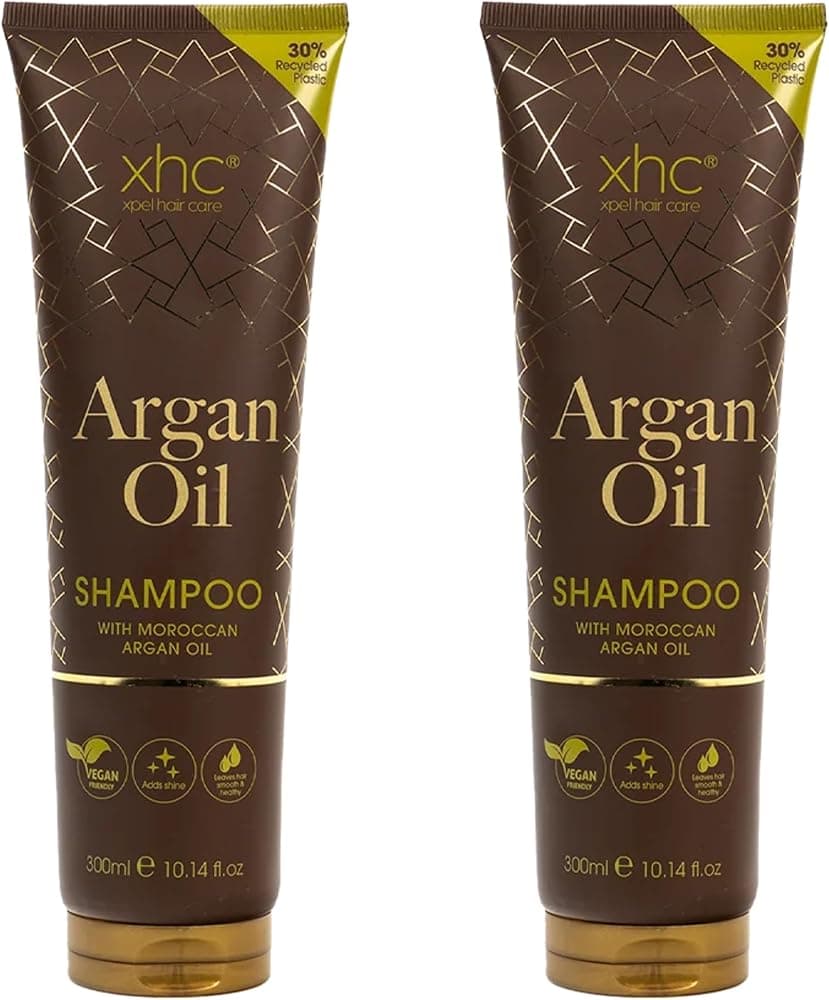
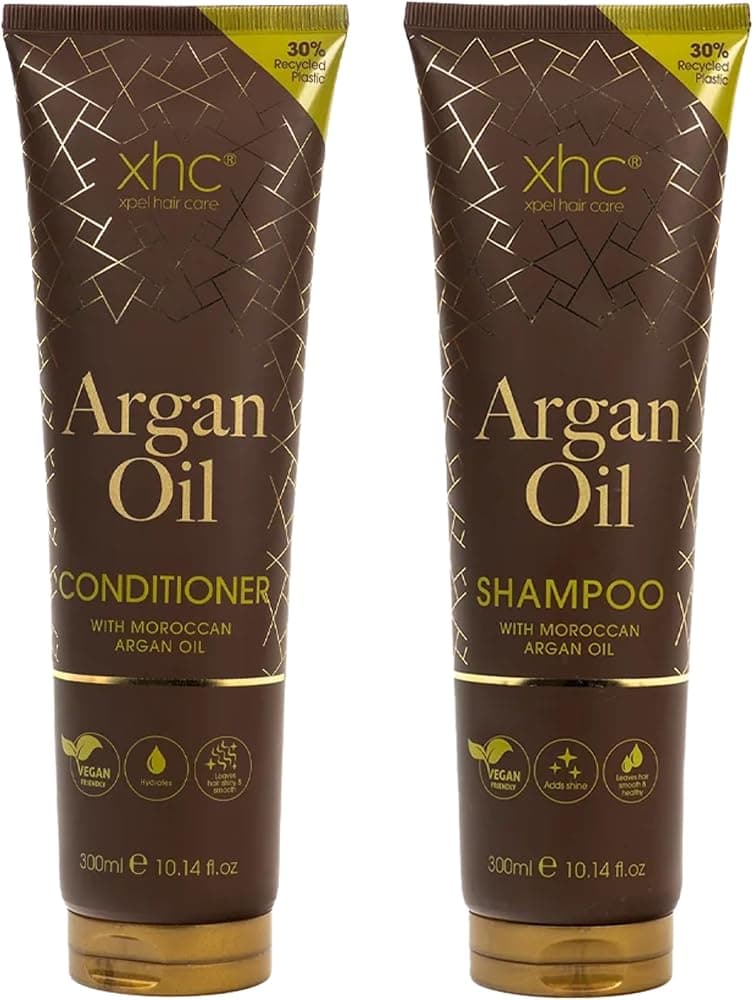
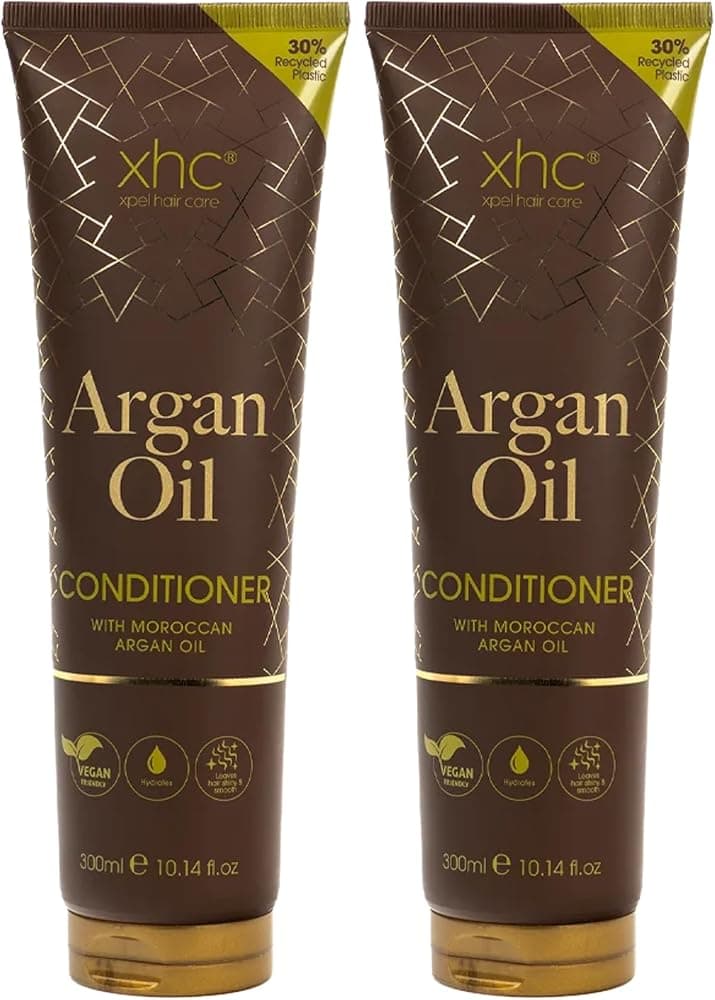
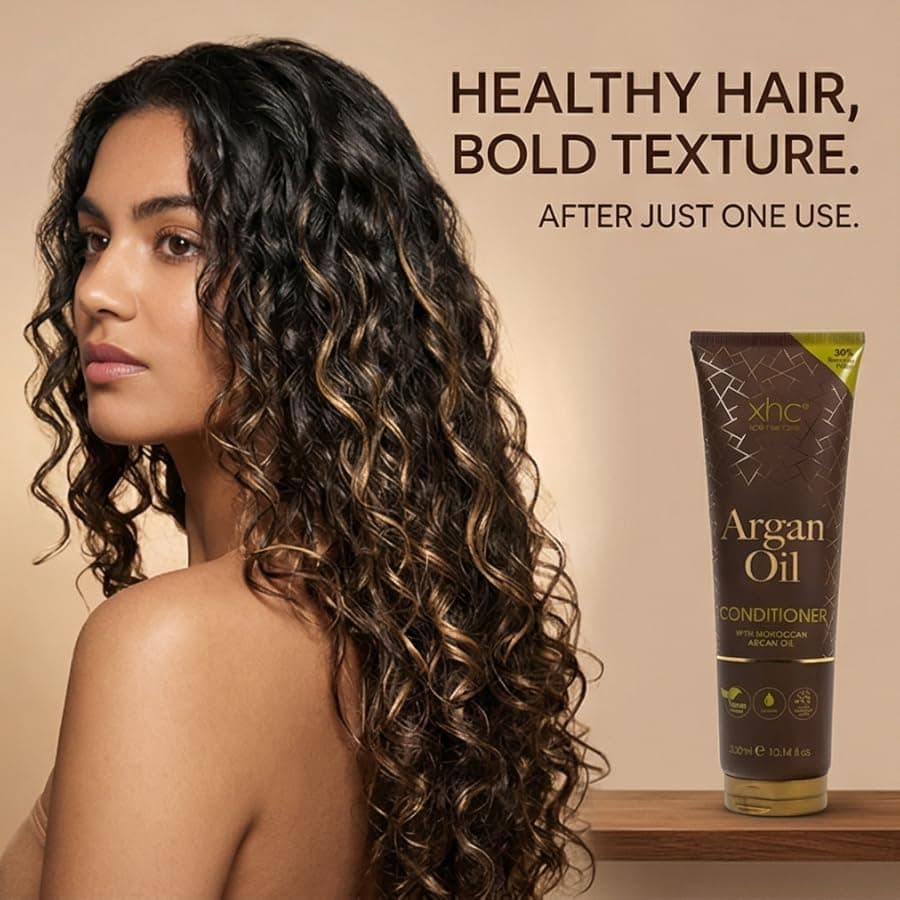
A conditioner with a nourishing oil is a good ally here. The XHC Argan Oil Conditioner is formulated with Moroccan argan oil to help moisturise hair, improve softness and enhance shine, and it's designed to reduce dryness and make detangling easier after every wash. It's vegan friendly, paraben-free and suitable for daily use. When we checked in September 2026, the XHC Argan Oil Conditioner Twin Pack was £9.99 for two 300ml bottles.
After the shower: the drying routine that decides your frizz
How you dry your hair has as much effect on frizz as what you wash it with.
- Squeeze, don't rub. Press water out with a microfibre towel or an old cotton T-shirt. Rubbing with a rough towel is one of the fastest ways to create frizz.
- Apply a leave-in to damp hair. A leave-in conditioner keeps working as your hair dries, helping to smooth the cuticle and hold on to moisture. If you're new to them, here's our guide to what leave-in conditioner is and how to use it.
- Add a drop of oil if you need it. A few drops of a light oil, such as argan, smoothed over the ends can add shine and help tame flyaways. Our guide to argan oil for hair explains how to use it without greasiness.
- Hands off while it dries. Every touch disturbs the hair's surface. Let it be.
- Dry in the right direction. If you blow-dry, point the nozzle down the hair shaft, from roots to ends, which helps the cuticle lie flat. Finish with a blast of cool air.
- Diffuse curls. For waves and curls, a diffuser on low heat and low speed dries hair without blowing it into a frizzy cloud.
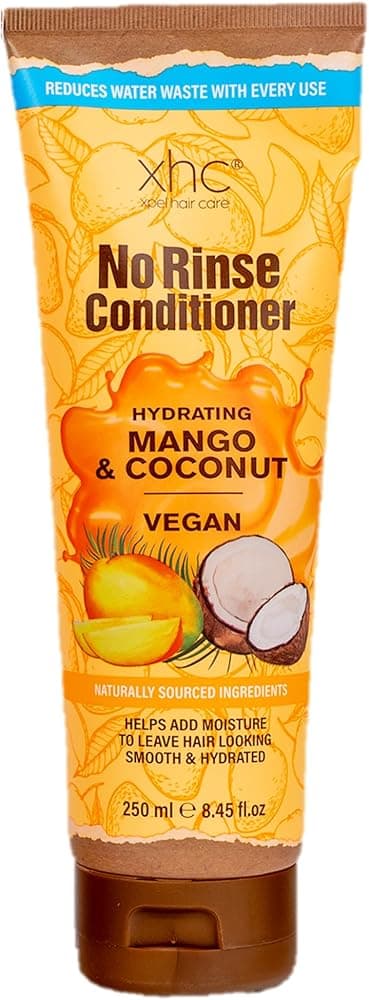
XHC No Rinse Conditioner is a good fit for step two. It's a lightweight, rinse-free leave-in infused with argan, avocado and olive oils for hydration and frizz control, and it's vegan, sulphate-free and cruelty-free.
Heat styling without the frizz
Straighteners and curling tongs can give you a smooth finish in the short term, but regular high heat can damage the cuticle and make frizz worse over time. To keep heat from backfiring:
- Always use a heat protectant before blow-drying, straightening or curling.
- Use the lowest temperature that works for your hair. Fine hair usually needs less heat than thick hair.
- Never straighten damp hair. Make sure it's completely dry first.
- Give your hair days off. Try heat-free styles, such as plaits, buns or air-dried waves, a few days a week.
Overnight: stop frizz while you sleep
Your hair spends hours every night rubbing against a pillow, so what that pillow is made of matters.
- Swap to a satin or silk pillowcase. It creates less friction than cotton, so hair slides rather than snags.
- Try a satin bonnet or scarf, especially for curly and coily hair.
- Tie long hair loosely. A loose plait or a soft scrunchie on top of your head stops it tangling. Avoid tight elastics that leave kinks and breakage.
How to stop frizzy hair for your hair type
Frizz behaves differently depending on your texture, so tailor the basics.
Straight or fine hair
Frizz on straight hair often shows up as flyaways and a fuzzy halo. Use a lightweight conditioner, keep leave-in and oil to the very ends, and avoid anything heavy that will flatten your roots. A cool blast from the hairdryer helps set everything in place.
Wavy and curly hair
For waves and curls, frizz is often a sign that curls haven't clumped together properly. Apply leave-in to very wet hair, scrunch it in, add a gel or mousse for hold and don't touch it while it dries. Our full guide to leave-in conditioner for curly hair has a step-by-step routine.
Coily and afro hair
Coily hair needs plenty of moisture, layered and sealed. Use a water-based leave-in, seal with an oil or cream, and protect it with satin at night. Protective styles can help, as long as they're not too tight.
Coloured or bleached hair
Colour and bleach lift the cuticle to work, which can leave hair more porous and frizz-prone. Be generous with conditioner, use a weekly mask and keep heat to a minimum.
Everyday habits that make a difference
Small changes add up. Keep these in mind:
- Get regular trims to remove split ends before they split further up the strand.
- Don't brush dry curly or wavy hair.
- Swap tight elastics for soft scrunchies or spiral ties.
- Keep a small leave-in or oil in your bag for emergencies.
- Be patient with new products. Give a new routine a few washes before you decide whether it works for you.
At PoundMart, we put together good-value haircare bundles so it's easy to keep your whole routine stocked. Browse the full haircare collection to build yours.
The bottom line
Frizz is your hair telling you it needs more moisture and a gentler touch. Condition every wash, apply a leave-in to damp hair, squeeze instead of rubbing, keep heat low and protect your hair while you sleep. None of these steps is complicated, and together they make smooth, shiny hair much easier to achieve, drizzle or not. Frizz-free is the mane event.
Frequently asked questions
Why is my hair so frizzy all of a sudden?
Common triggers include a change in the weather, a new shampoo or styling product, more heat styling than usual, colouring or bleaching, or simply needing a trim. If a change in texture comes with hair loss, breakage or scalp problems, speak to a pharmacist or GP.
Does argan oil stop frizz?
Argan oil can help reduce the look of frizz by smoothing the hair's surface, adding shine and helping to slow moisture loss. It works best on damp or dry ends in small amounts. It's a cosmetic fix that improves how hair looks and feels, not a permanent repair.
Should you brush frizzy hair?
Brush or comb it when it's wet and coated in conditioner, using a wide-tooth comb and starting at the ends. Straight hair can be gently brushed when dry, but brushing dry waves or curls breaks up the curl pattern and creates more frizz.
Can you get rid of frizz permanently?
There's no permanent at-home fix, because new hair keeps growing and the weather keeps changing. A consistent routine of conditioning, gentle drying and low heat keeps frizz under control. Salon smoothing treatments are available, so if you're considering one, ask your stylist about the pros and cons for your hair.
Is frizzy hair a sign of damage?
Not always. Curly and wavy hair is naturally more prone to frizz, even when it's healthy. But if frizz comes with split ends, breakage or hair that feels straw-like, damage from heat, colour or rough handling is a likely cause, and a trim plus a gentler routine should help.