Should conditioner go before or after shampoo? For most people, after. Shampoo cleans your scalp and hair, then conditioner smooths and softens the lengths before you rinse it out. The exception is "reverse washing", where you condition first and shampoo second. That can suit fine hair that's easily weighed down, or very dry lengths that need protecting from shampoo.
Below, we'll explain why the classic order works, when it's worth flipping, how co-washing and leave-in conditioners fit in, and the small conditioner mistakes that make a big difference to how your hair feels.
Conditioner before or after shampoo: why after usually wins
Shampoo contains cleansers called surfactants. They lift oil, sweat, dead skin and product off your scalp and hair so it can all be rinsed away. They're very good at that job, but they also remove some of the natural oils that keep your lengths soft, and they can leave the hair's outer layer (the cuticle) slightly rough.
Conditioner is designed to fix that. It contains positively charged conditioning ingredients that are attracted to the negatively charged, roughened areas of freshly washed hair, particularly where it's damaged. They leave a thin, smoothing layer behind, which is why conditioned hair feels softer, tangles less and has less static.
If you conditioned first and then shampooed, the shampoo would wash away much of that conditioning layer. So for most people, the order is simple: clean first, then condition.
What shampoo and conditioner each do
| Step | Main job | Where it goes | How long |
|---|---|---|---|
| Shampoo | Cleans oil, sweat and build-up | Mainly the scalp and roots | Massage in, then rinse |
| Rinse-out conditioner | Softens, smooths and detangles | Mid-lengths to ends | Usually one to three minutes, or as the pack says |
| Leave-in conditioner | Adds lasting softness and slip | Lengths of towel-dried hair | Stays in until your next wash |
| Hair oil | Seals in moisture, adds shine | Ends of damp or dry hair | Stays in |
How to shampoo and condition in the right order
- Wet your hair thoroughly with lukewarm water.
- Shampoo your scalp. Massage a small amount into your roots with your fingertips. The lather cleans your lengths as it rinses through.
- Rinse well. Leftover shampoo can leave hair feeling dull.
- Squeeze out excess water so the conditioner isn't diluted.
- Apply conditioner from mid-lengths to ends. Most scalps don't need it, and putting it on the roots can make hair look greasy sooner.
- Detangle while it's in, using a wide-tooth comb and starting from the ends.
- Leave it for the time on the pack, then rinse thoroughly.
Some people like to finish with a cooler rinse. It's refreshing, but claims that cold water "seals" your hair are overstated, so do it only if you enjoy it.
When conditioner before shampoo makes sense
Reverse washing, sometimes called a "pre-poo", flips the order. It's not for everyone, but it can help in a few situations.
Fine or flat hair
If conditioner leaves your fine hair limp and flat, applying it first and then shampooing lightly can give you the softness without the weight. The shampoo removes the excess, so hair keeps more volume at the roots.
Very dry, long or colour-treated lengths
Conditioning your lengths before shampooing acts as a buffer, so the shampoo doesn't strip them as much. Some people follow up with a little more conditioner on the ends afterwards. If dryness is a regular battle, our guide to argan oil for hair covers another pre-wash option.
How to reverse wash
- Wet your hair and apply conditioner to the mid-lengths and ends.
- Leave it for a few minutes.
- Rinse lightly, or leave it on and go straight in with shampoo.
- Shampoo your scalp as normal and rinse thoroughly.
- If your ends still feel dry, add a small amount of conditioner or a leave-in.
Co-washing and curly hair
Curly and coily hair sometimes skips shampoo on some wash days altogether and uses conditioner to cleanse gently, which is called co-washing. Another popular method is conditioner, then shampoo, then conditioner again. Both are ways to keep curls soft while still cleaning the scalp regularly. A proper shampoo is still needed every so often to clear build-up.
Where 2-in-1s and leave-in conditioners fit
A 2-in-1 shampoo and conditioner does both jobs in one step, so there's no order to worry about. It's handy for short hair, the gym or travel, but long, curly or very dry hair usually benefits from a separate conditioner.
A leave-in conditioner always comes last. Apply it to towel-dried hair after you've shampooed and rinsed out any regular conditioner. If you'd like to know whether you need one, our guide on what leave-in conditioner is explains how it differs from the rinse-out kind.
If you use a hair oil, apply it after the leave-in, since it helps seal in the moisture underneath. In short: shampoo, conditioner, leave-in, oil, style.
Common conditioner mistakes
Getting the order right is half the battle. These small slips account for most of the rest:
- Putting it on your roots. Unless your scalp is very dry, keep conditioner on the mid-lengths and ends.
- Rinsing it out straight away. Give it the time the pack recommends to work.
- Not rinsing enough. Leftover conditioner can make hair look limp and greasy.
- Using the wrong amount. Too little leaves ends dry; too much weighs hair down. Adjust for your length and thickness.
- Skipping it altogether. Shampoo on its own can leave most hair rough and tangly, especially long, curly or coloured hair.
- Tugging out knots with a brush. Detangle with a wide-tooth comb while the conditioner is in.
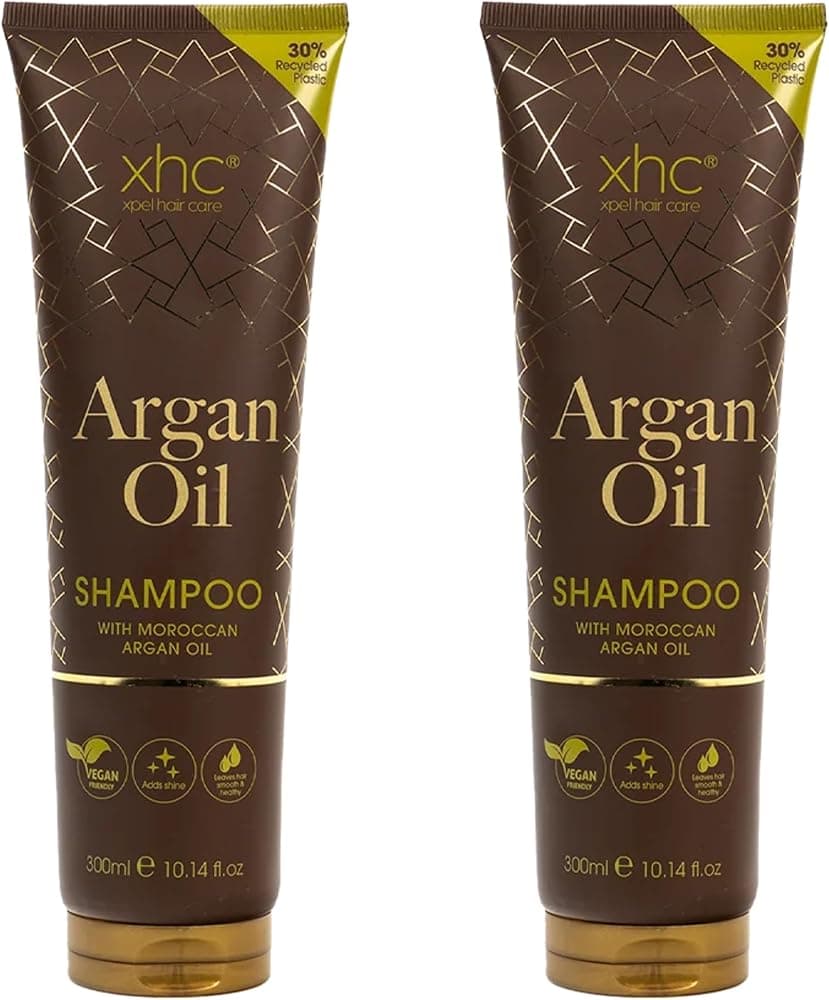
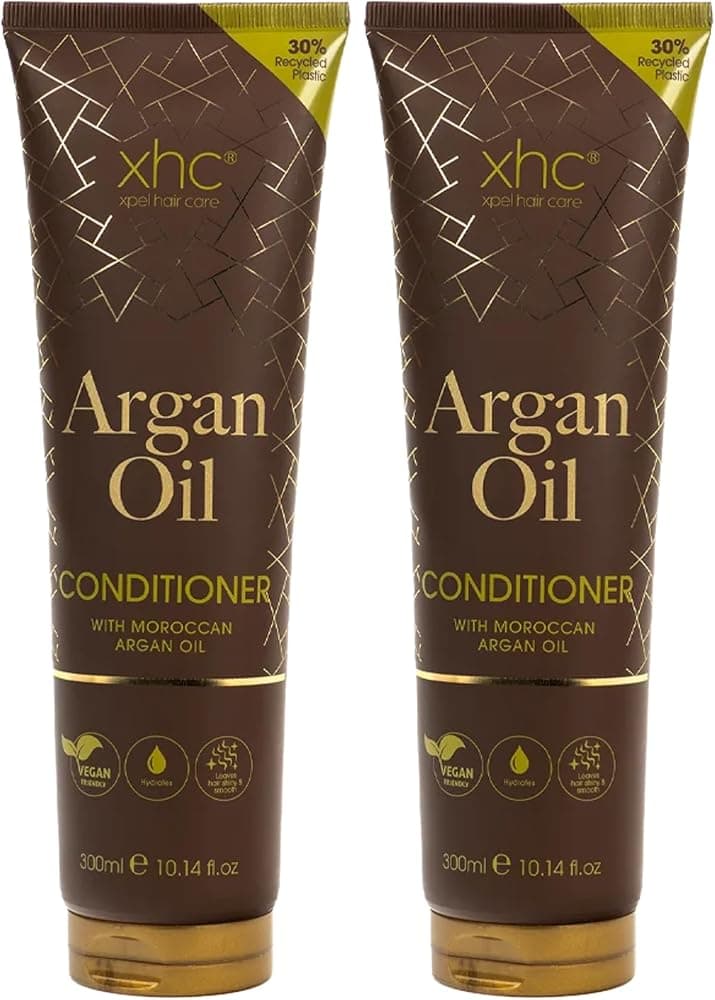
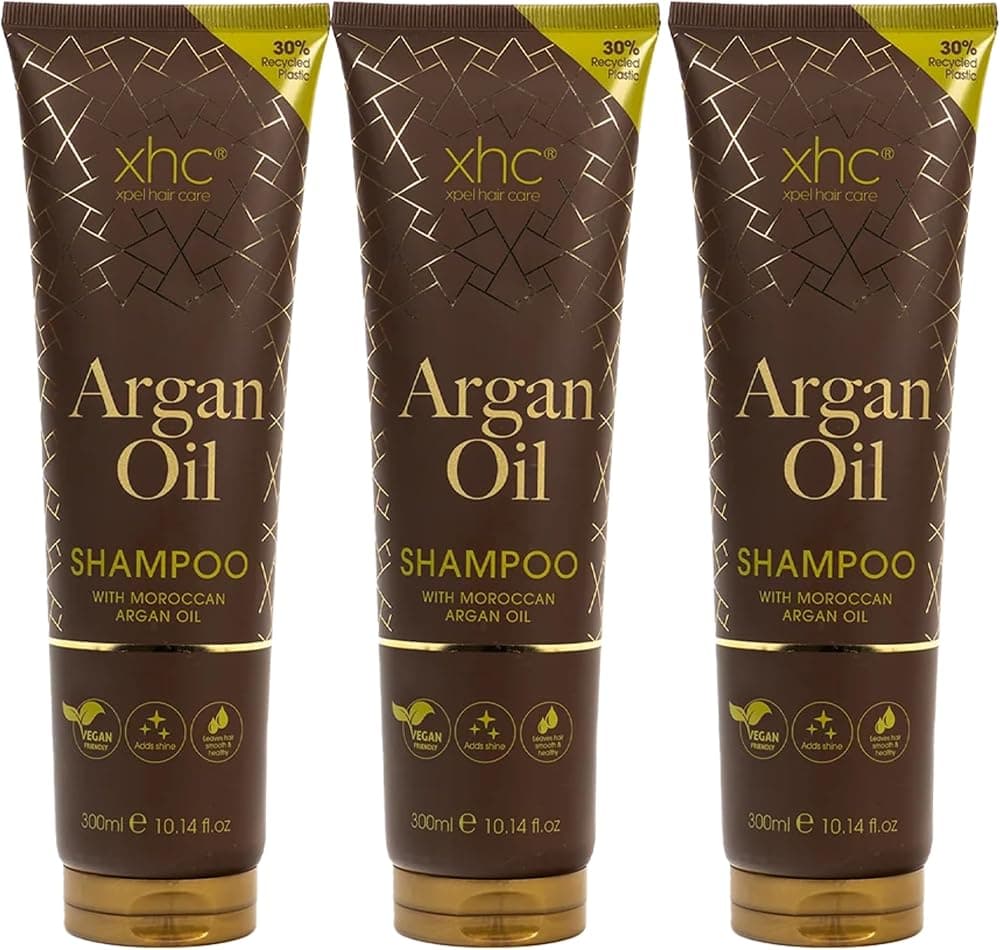
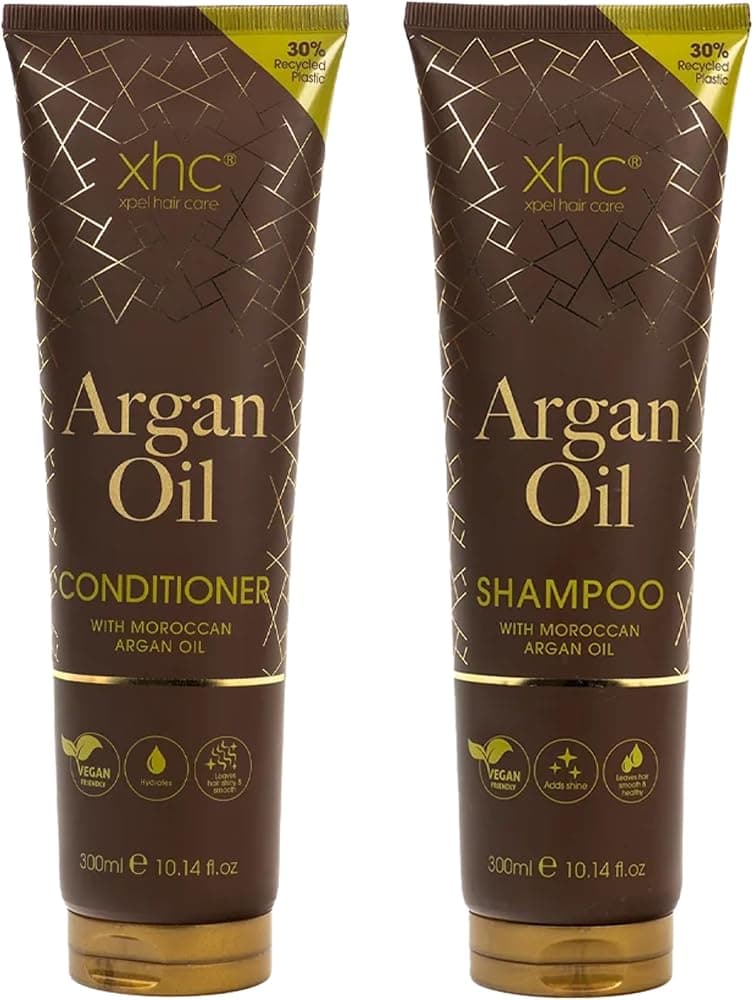
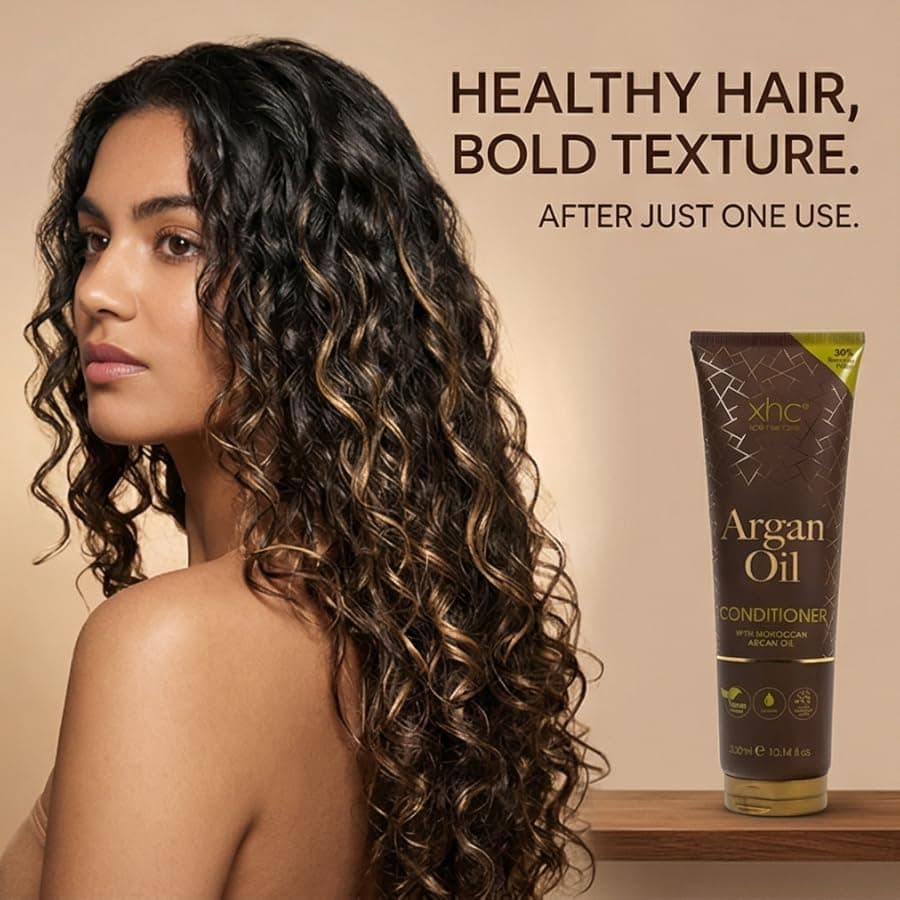
If you'd like a shampoo and conditioner designed to work together, the XHC Argan Oil Shampoo & Conditioner Set pairs one 300ml argan oil shampoo with one 300ml argan oil conditioner. The shampoo helps cleanse the scalp gently while leaving hair soft and shiny, and the conditioner provides intense conditioning to improve manageability and reduce dryness. Both are formulated with Moroccan argan oil, vegan friendly, paraben-free, dermatologically tested and labelled as suitable for all hair types. At the time of writing, the set was £9.99 on Amazon, about £5 a bottle.
The bottom line
For almost everyone, conditioner goes after shampoo: clean the scalp, then soften and protect the lengths. Reverse washing is a useful trick for fine hair that goes flat or for very dry ends, and co-washing can suit curls, but they're tweaks on the classic order rather than replacements for it. Get the order right, use the right amount in the right place, and your hair will be in great condition (pun fully intended).
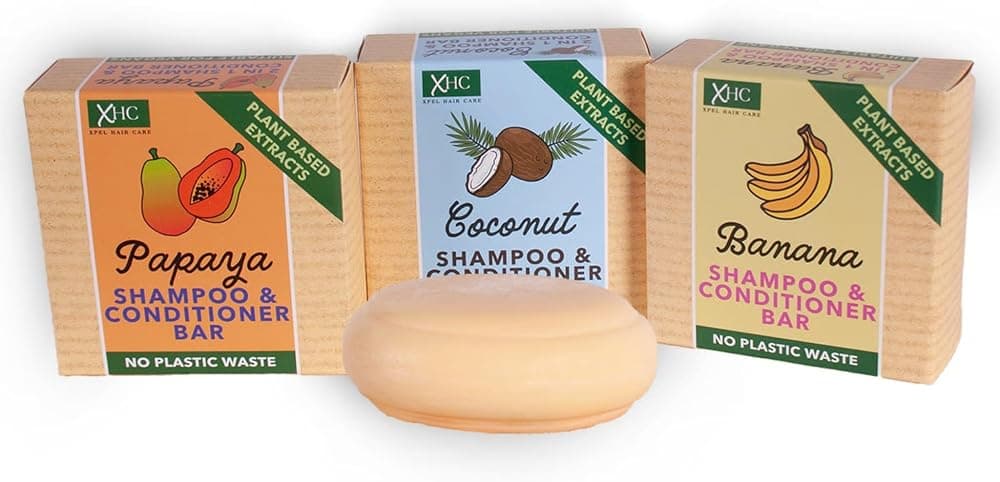
At PoundMart, we bundle everyday haircare into value multi-packs so your shampoo and conditioner run out together, not one at a time. Browse our haircare collection for XHC shampoos, conditioners, leave-ins and bars. If you're also wondering how many wash days you actually need, read our guide on how often to wash your hair.
Frequently asked questions
Should you use conditioner every time you shampoo?
For most hair types, yes. Shampoo removes some of your hair's natural oils, and conditioner helps restore softness and makes detangling easier. If you have very fine hair that goes flat, use a small amount on the ends only, or try conditioning before you shampoo.
Can you use conditioner without shampoo?
Yes, this is called co-washing, and it's popular with curly and coily hair because it cleans gently without stripping the lengths. Conditioner doesn't clean as thoroughly as shampoo, though. Most people who co-wash still use shampoo from time to time to remove build-up from the scalp.
How long should you leave conditioner in?
Follow the instructions on the pack, which for most rinse-out conditioners is a minute or two, sometimes a little longer. Leaving it much longer than that won't usually add much benefit. If your hair needs more intensive care, use a dedicated hair mask or a leave-in conditioner instead.
Should conditioner go on your scalp?
Usually not. Your scalp makes its own natural oil, so conditioner there can make roots look greasy and flat sooner. Focus it on your mid-lengths and ends, where hair is older and drier. Some people with very dry scalps or tightly coiled hair do apply it closer to the roots, and that's fine if it suits you.
Is reverse washing good for curly hair?
It can be, especially if your curls are dry or long. Conditioning first helps protect the lengths from shampoo, and you can follow up with more conditioner or a leave-in afterwards. If your curls are fine and go limp easily, reverse washing can also help keep volume.