Sulphate-free shampoo is shampoo made without sulphates, the strong cleansing agents such as sodium lauryl sulfate (SLS) and sodium laureth sulfate (SLES) that create a rich lather and strip away oil. It uses milder cleansers instead, so it usually lathers less and feels gentler on dry, curly, coloured or sensitive hair and scalps. Paraben-free means the product is preserved without parabens, a family of preservatives, and uses a different preservative system instead.
That's the short meaning of both labels, but neither one automatically makes a shampoo better or safer. Below we explain what sulphates and parabens actually do, who might benefit from avoiding them, what to expect if you switch, and how to check any shampoo's ingredients list in about a minute.
What are sulphates in shampoo?
Sulphates are surfactants, short for "surface active agents". A surfactant molecule has one end that's attracted to water and another that's attracted to oil. When you lather up, the oil-loving ends grab on to sebum, sweat, styling products and dirt, and the water-loving ends let the whole lot rinse away.
Sulphates are very good at this. They're cheap, effective, and produce the big, rich lather many of us associate with feeling clean. The trade-off is that they can also remove more of the hair's natural oils than some people want, and some people find them irritating on the scalp.
Here are the names you're likely to see on a label, along with some common milder alternatives:
| Ingredient on the label | What it is | Sulphate? |
|---|---|---|
| Sodium lauryl sulfate (SLS) | A strong cleanser and foaming agent | Yes |
| Sodium laureth sulfate (SLES) | A cleanser generally considered a little milder than SLS | Yes |
| Ammonium lauryl sulfate or ammonium laureth sulfate | Close relatives of SLS and SLES | Yes |
| Sodium coco-sulfate | A sulphate made from coconut oil, still a sulphate | Yes |
| Sodium C14-16 olefin sulfonate | A strong cleanser that isn't technically a sulphate | No, but it can be just as stripping |
| Cocamidopropyl betaine | A mild cleanser, often used alongside other surfactants | No |
| Sodium cocoyl isethionate | A gentle cleanser, common in shampoo bars | No |
| Decyl glucoside or coco-glucoside | Very mild, sugar-derived cleansers | No |
| Sodium lauroyl sarcosinate | A mild, foaming cleanser | No |
What does sulphate-free shampoo mean for your hair?
A sulphate-free shampoo still cleans your hair and scalp; it just uses gentler surfactants to do it. Here's who tends to notice the difference.
Who might benefit from sulphate-free shampoo?
- Dry, curly, coily and afro hair. These textures are naturally prone to dryness, so a gentler cleanse helps keep more moisture in. If that's you, our guide on how to moisturise afro hair covers the rest of the routine.
- Colour-treated hair. Gentler cleansing is often recommended to help colour fade more slowly. Your colourist can advise on what suits your hair.
- Sensitive scalps. SLS is a known skin irritant for some people, so people with sensitive skin often avoid it. If you have a scalp condition such as eczema or psoriasis, a pharmacist or GP can advise on suitable products.
- Hair after a smoothing treatment. Salons often recommend sulphate-free shampoo afterwards, so follow your stylist's aftercare advice.
Is sulphate-free shampoo always better?
No. Sulphates are widely used and permitted in rinse-off products, and plenty of people use them happily. There are times when a stronger cleanse is useful:
- Oily scalps may feel cleaner with a sulphate shampoo.
- Heavy product users (dry shampoo, gel, wax, oils) sometimes need a deeper clean to shift build-up.
- Regular swimmers may want a thorough wash to remove chlorine.
A common approach for dry hair is a sulphate-free shampoo day to day, with a clarifying shampoo now and then. The right choice is the one your hair and scalp feel comfortable with. If you're shopping for dry hair specifically, see our guide to choosing a shampoo for dry hair.
What to expect when you switch to sulphate-free
Sulphate-free shampoo can feel different at first, so a few tips help:
- Expect less lather. Big foam isn't what cleans your hair. Less lather doesn't mean less clean.
- Use plenty of water. Wet your hair thoroughly before applying shampoo, and add a splash more water as you massage it in.
- Focus on the scalp. Massage with your fingertips (not nails), then let the lather rinse through the lengths.
- Try washing twice if you use a lot of styling products. The first wash lifts the build-up and the second one cleans.
- Give it a few washes. It takes a little time to judge any new shampoo fairly.
What does paraben-free mean?
Parabens are preservatives. Any product that contains water, including almost every shampoo and conditioner, can grow bacteria, yeast and mould once it's opened and exposed to wet hands and a warm bathroom. Preservatives stop that happening, which keeps the product safe to use until it's finished.
On an ingredients list, parabens usually end in "-paraben": methylparaben, ethylparaben, propylparaben and butylparaben are the most common.
Why do some people avoid parabens?
Some lab research has found that parabens can weakly mimic the hormone oestrogen, and that has made many shoppers cautious. Regulators have reviewed the evidence: in the UK and EU, a handful of parabens are banned in cosmetics, and the most common ones are allowed only within set concentration limits. So choosing paraben-free is largely a matter of personal preference, and it's a label many people like to see.
Paraben-free doesn't mean preservative-free
This is the part that's easy to miss. A paraben-free shampoo still needs a preservative; it just uses a different one, such as phenoxyethanol, sodium benzoate, potassium sorbate or benzyl alcohol. That's a good thing. A water-based product with no effective preservative wouldn't stay safe for long.
Sulphate-free vs paraben-free at a glance
The two labels are often seen together, but they're about completely different ingredients.
| Sulphate-free | Paraben-free | |
|---|---|---|
| What's left out | Sulphate cleansers (SLS, SLES and relatives) | Paraben preservatives |
| What that ingredient does | Cleans and creates lather | Stops bacteria and mould growing |
| What replaces it | Milder surfactants | Other preservatives |
| Who looks for it | Dry, curly, coloured or sensitive hair and scalps | Shoppers who prefer to avoid parabens |
| Will you notice a difference? | Usually less lather and a softer feel | Usually no difference in use |
How to read a shampoo label in a minute
- Check the front claims, such as sulphate-free, paraben-free or vegan.
- Turn to the ingredients list. Ingredients are listed in descending order of concentration, although those under 1% can appear in any order.
- Look at the first few ingredients after water. That's usually where the main cleanser sits.
- Search for "sulfate" to spot sulphates.
- Search for "paraben" to spot parabens.
- Check for anything you know you react to, including specific fragrances.
- Try it carefully if you're sensitive. Stop using any product that irritates your scalp, and ask a pharmacist for advice if it doesn't settle.
Other labels you'll spot
While you're reading the bottle, you'll probably see a few more claims:
- Vegan means the formula contains no animal-derived ingredients.
- Cruelty-free means the product and its ingredients weren't tested on animals. Testing cosmetics on animals has been banned in the UK since 1998.
- Dermatologically tested means the product has been tested on skin, usually under a dermatologist's supervision. It's reassuring, but it doesn't guarantee that no one will ever react.
- Silicone-free means no silicones, which are smoothing ingredients that add slip and shine. Some people avoid them to reduce build-up, but they aren't harmful.
Where XHC haircare fits in
At PoundMart, we sell XHC haircare in value bundles, and we'd rather you knew exactly what each product claims.
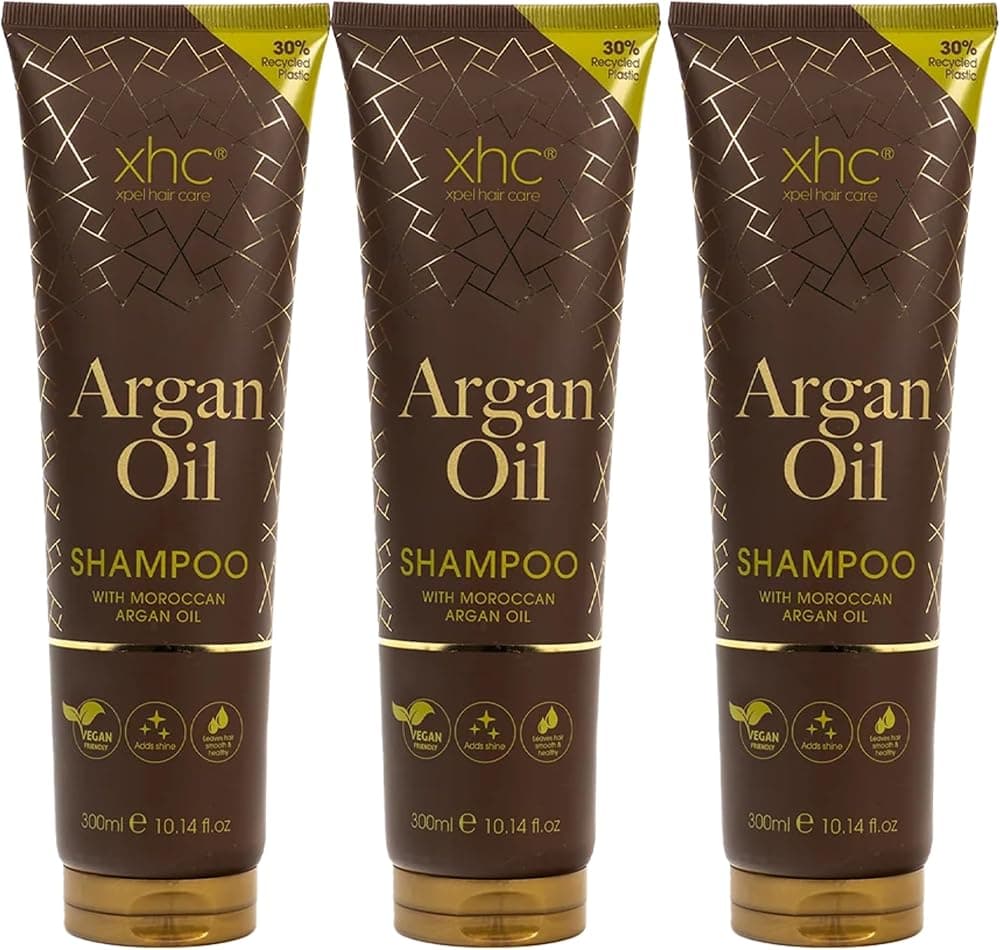
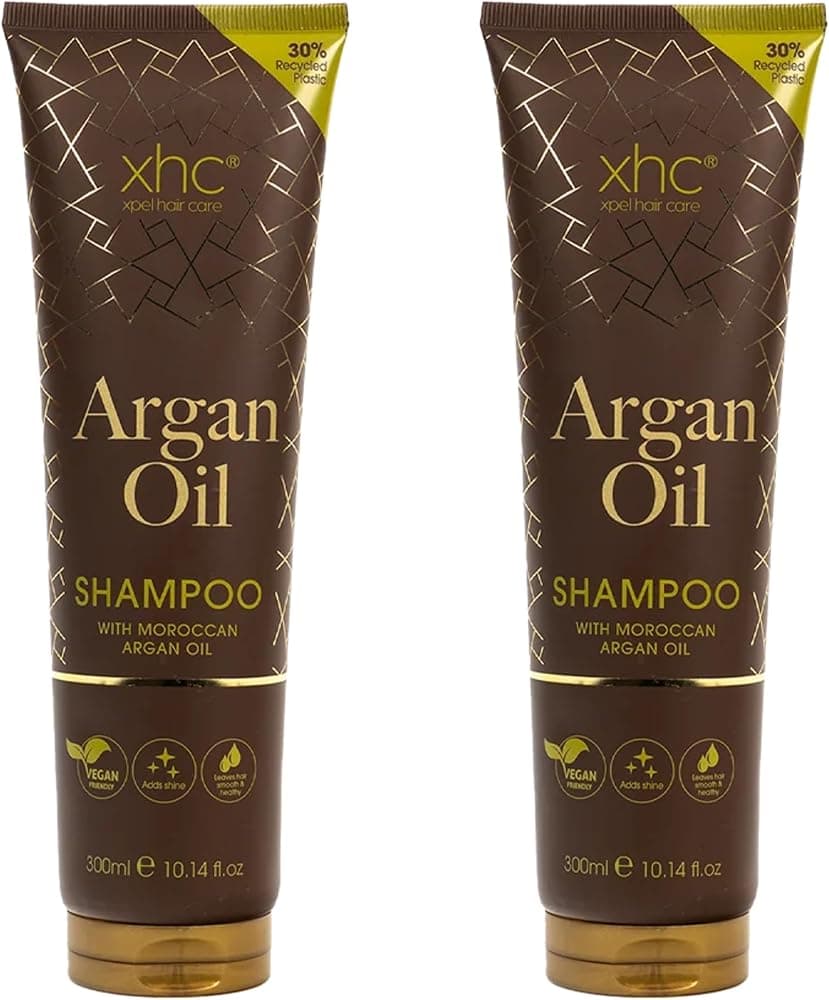
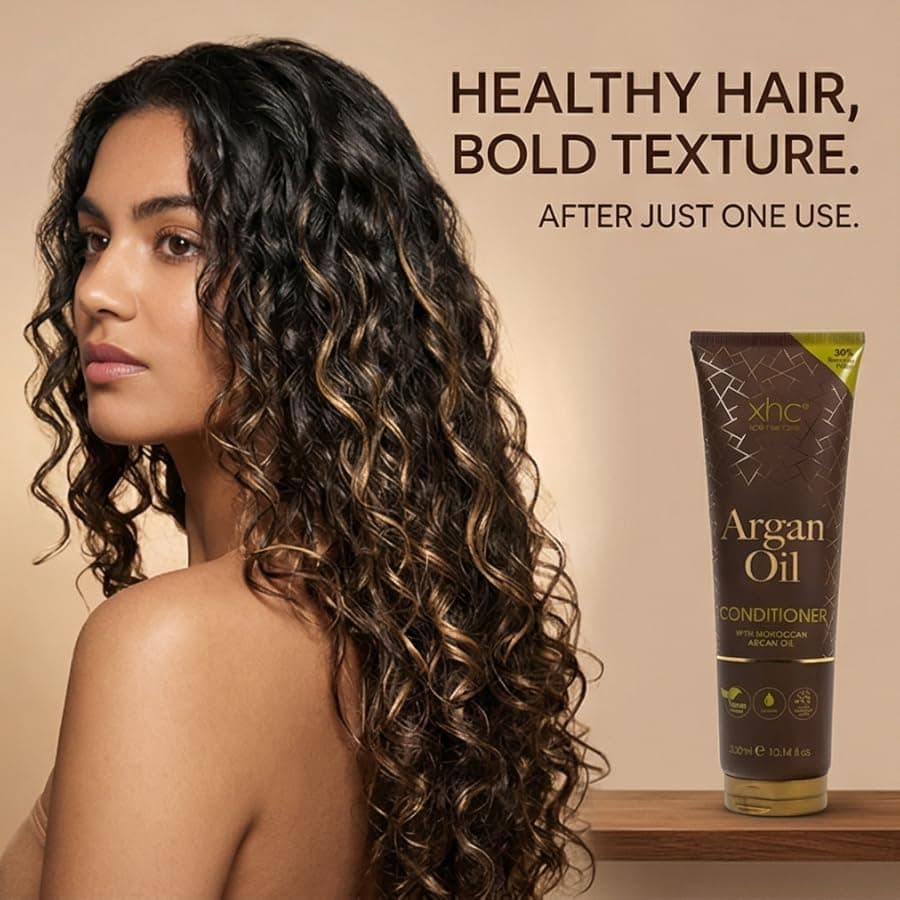
The XHC Argan Oil Shampoo is vegan friendly and paraben-free, clearly labelled on pack, dermatologically tested and suitable for all hair types. It's formulated with Moroccan argan oil to help moisturise hair, improve softness and enhance natural shine. Its listing doesn't claim it's sulphate-free, so if sulphates are a dealbreaker for you, use the label steps above and check the ingredients before you buy.
When we checked in September 2026, the XHC Argan Oil Shampoo Twin Pack was £9.99 for two 300ml bottles (£5.00 per bottle), and the six-bottle stock-up was £28.47 (£4.75 per bottle).
If sulphate-free is what you're after, the XHC Vegan No Rinse Conditioner is a leave-in that's vegan, sulphate-free and cruelty-free, infused with argan, avocado and olive oils. To find out what argan oil can do for your hair, read our guide to argan oil for hair, or browse the whole haircare collection.
The bottom line
Sulphate-free shampoo swaps strong sulphate cleansers for milder ones, which can suit dry, curly, coloured and sensitive hair. Paraben-free means a different preservative is doing the job, not that there's no preservative at all. Neither label is a guarantee of quality on its own, so the best habit is to read the ingredients list, think about what your hair and scalp need, and choose accordingly. Once you know what to look for, label reading is a breeze (and lather is optional).
Frequently asked questions
What does sulphate-free shampoo mean?
It means the shampoo doesn't contain sulphate cleansers such as sodium lauryl sulfate (SLS) or sodium laureth sulfate (SLES). It cleans with milder surfactants instead, so it usually lathers less and can feel gentler on dry, curly, coloured or sensitive hair.
Is sulphate-free shampoo better for your hair?
It depends on your hair. Dry, curly, coloured or sensitive hair and scalps often feel better with sulphate-free shampoo, while oily scalps and heavy product users may prefer a stronger cleanse, at least occasionally. Sulphates aren't harmful for most people in rinse-off shampoos; it's about what feels right for you.
Why doesn't sulphate-free shampoo lather much?
Sulphates are the ingredients that create big, bubbly lather, and milder surfactants simply produce less foam. Lather isn't what cleans your hair, though. Wet your hair thoroughly, use a little more water and massage your scalp well, and it will still clean effectively.
Are parabens in shampoo safe?
In the UK, parabens used in cosmetics are regulated: some are banned and the most common ones are allowed only within set limits. Many people choose paraben-free products as a personal preference. If you have a reaction to any product, stop using it and ask a pharmacist for advice.
Is SLS the same as SLES?
No. They're both sulphates and both are cleansers, but sodium laureth sulfate (SLES) is generally considered a little milder than sodium lauryl sulfate (SLS). A shampoo containing either one isn't sulphate-free.