
How much shampoo should you use? For most people, a 20p to 50p piece sized blob is enough for one wash, more for long or thick hair, less for short hair. The bigger mistake isn't using too little. It's using too much, rinsing badly, or buying a shampoo that doesn't suit your hair in the first place, so you end up using more to compensate.
This matters more than it sounds. In a family bathroom shared by four, shampoo disappears fast. If everyone is squeezing out a palmful each time, a bottle that should last a month is gone in two weeks, and the weekly shop creeps up without anyone quite noticing why. Getting the amount right is one of the simplest ways to make a bottle last.
How much shampoo should you use: a guide by hair length
The honest answer depends on hair length, thickness and how much product your scalp actually needs, not how much lather you're used to seeing.
- Short hair (cropped, buzzed, or above the ears): a small pea sized amount is usually plenty.
- Shoulder length hair: around a 20p piece sized blob.
- Long or thick hair: closer to a 50p piece sized amount, sometimes slightly more if hair is very dense.
- Curly or afro hair: often needs less shampoo overall, and less frequent washing, because the natural oils are doing useful work. A smaller amount focused on the scalp, rather than dragged through the lengths, tends to work better.
The method matters as much as the quantity. Shampoo is there to clean the scalp, not the ends. Work it into the roots, let the lather run down through the lengths as you rinse, and you'll use less than if you pile product onto dry ends and try to work it through. If you want more detail on frequency by hair type, there's a fuller breakdown in how often you should wash your hair.
One more thing worth knowing: a thick, creamy lather doesn't mean a shampoo is working harder. It usually just means more foaming agent. Plenty of effective, gentle shampoos lather modestly. Don't chase bubbles.
Common mistakes that waste shampoo (and money)
A few habits quietly drain a bottle faster than it should go:
- Wetting hair for too short a time before applying shampoo. Shampoo spreads better through fully soaked hair, so you need less to cover everything.
- Applying it all in one spot. Dolloping shampoo on top of the head and scrubbing from there means some hair gets too much and some gets missed, so people add more to compensate.
- Washing more often than needed. Daily washing isn't necessary for most hair types, and washing less often (where your hair and scalp allow it) is one of the simplest ways to cut how much product you get through.
- Letting kids self-serve. Children left to pump shampoo themselves tend to be generous, to put it kindly. A quick squeeze from an adult, even for older children, keeps amounts sensible.
- Using shampoo to tackle a problem it can't fix. If hair still feels dry or unmanageable after washing, adding more shampoo rarely helps. The issue is more likely to be the shampoo itself, the water temperature, or a missing conditioning step. For a closer look at what makes dry hair worse, see habits that make dry hair worse.
Getting the order right also helps. If you're not sure whether conditioner goes before or after shampoo, or how a leave-in conditioner fits in, this guide to the right order clears it up.
Picking a shampoo that suits your hair and your budget
Using the right amount only gets you so far if the shampoo itself isn't suited to your hair. The wrong formula means more washing, more product, and less satisfying results, which is its own kind of waste.
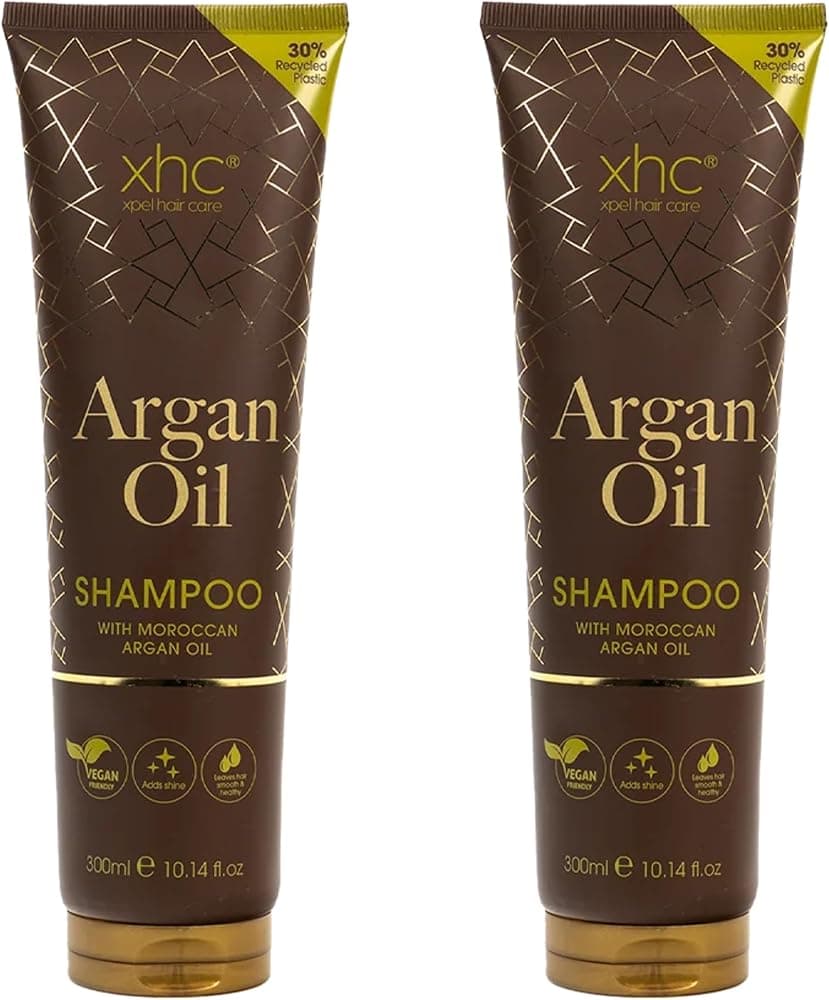
For dry, damaged or chemically treated hair, a nourishing formula helps reduce how much you need to reach for afterwards in the way of extra conditioner or leave-in treatments. XHC's Argan Oil Shampoo, in 300ml bottles, is built for exactly this: it's described as nourishing and moisturising, vegan friendly and paraben-free, and pairs naturally with a conditioner for the same hair type. It's sold on Amazon as a twin pack, a 3 pack, a shampoo and conditioner set, and a 6 bottle stock-up, with the bigger bundles working out cheaper per bottle. If you go through a lot of shampoo in a shared bathroom, the XHC Argan Oil Shampoo twin pack is a sensible way to stop running out mid-week.
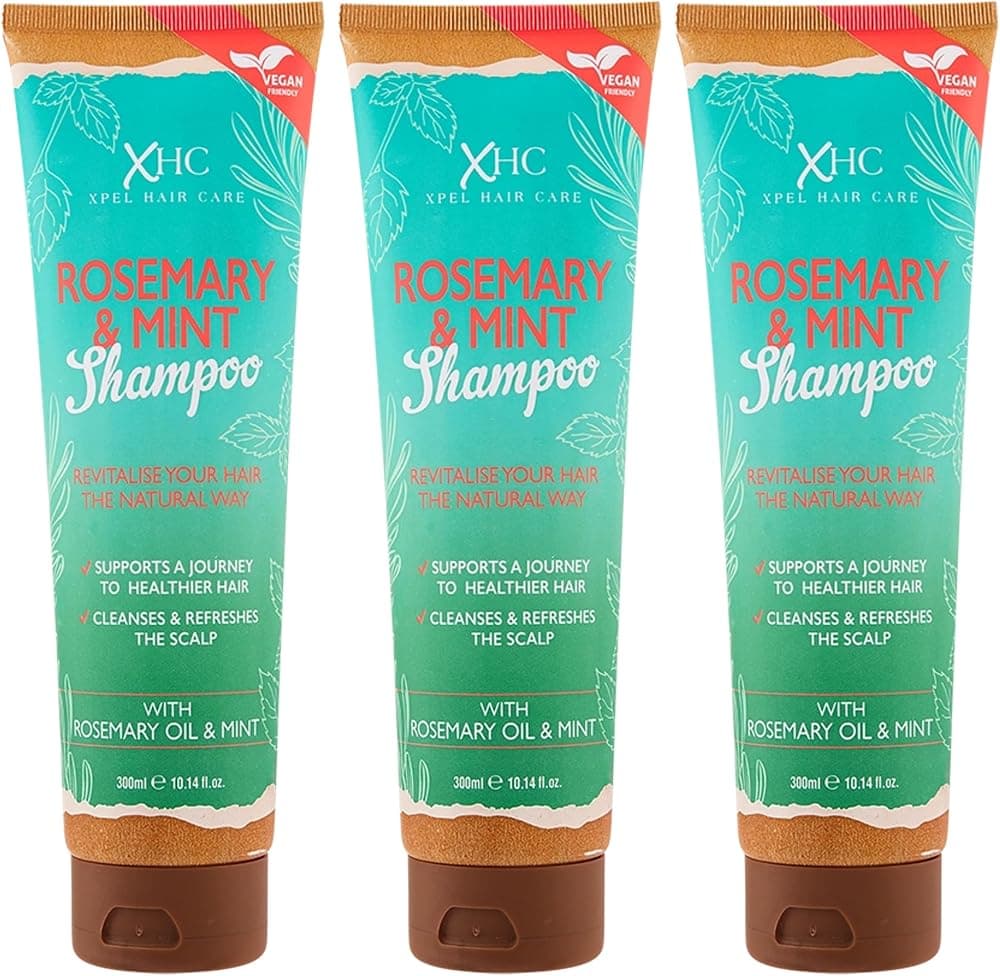
For something lighter and more refreshing, XHC's Rosemary & Mint Shampoo is sold as a 3 pack of 300ml bottles, described as revitalising, vegan and cruelty-free. It suits people who want a shampoo that feels brisk and clean rather than heavily conditioning. Worth knowing: rosemary shampoo can leave hair feeling fresh and can support a pleasant scalp feel, but the evidence for it affecting hair growth is limited, so treat any such claim with caution. There's more on what rosemary shampoo can and can't realistically do in rosemary shampoo benefits.
If you're shopping for dry or damaged hair specifically, it's worth reading what to look for in a shampoo for dry hair before you buy, so you're choosing on ingredients and hair type rather than packaging.
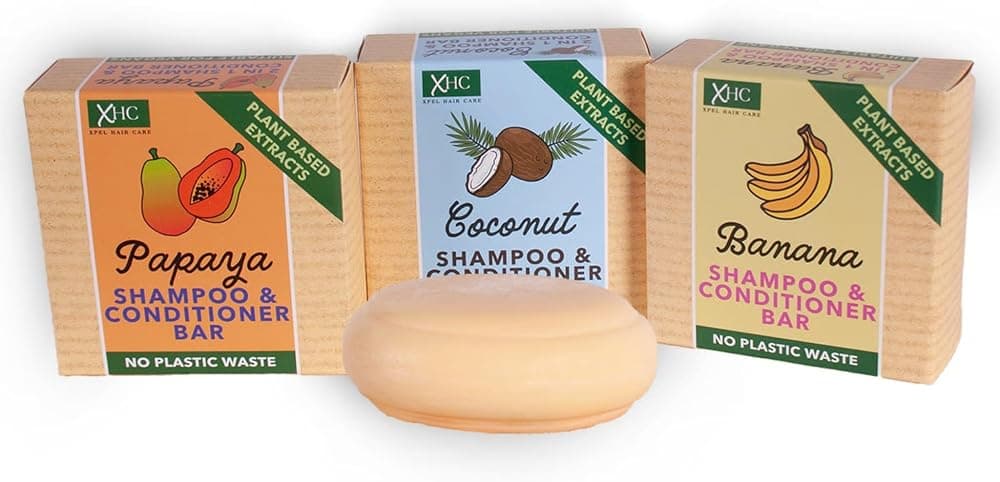
All of PoundMart's shampoos and conditioners, including the argan oil range, the rosemary and mint shampoo, and the shampoo and conditioner bars, are in the haircare collection on Amazon, where bundle sizes and pack options are easy to compare.
Getting good value when you're washing hair for the whole household
In a house with more than one person washing their hair regularly, shampoo is one of those essentials that quietly adds up. A few practical habits help:
- Buy in a pack size that matches your household, rather than replacing single bottles one at a time. Multi-packs generally cost less per bottle, which matters if you're trying to get the weekly shop under control.
- Store bottles upside down between washes. It keeps product moving to the nozzle and means you get the last of the bottle out rather than binning it half full.
- Measure once, remember it. If you work out roughly how much product your hair needs, you'll stop guessing and overusing it out of habit.
- Match the shampoo to the hair, not the other person in the house. A formula that suits fine, oily hair isn't the right fit for thick or curly hair, and using the wrong one usually means using more of it.
If you want to go further into stretching your household toiletries budget generally, how to save money on toiletries has a wider set of tips beyond just shampoo. And if you're weighing up whether buying bigger packs is actually cheaper or just feels that way, are multipacks cheaper? works through the maths honestly.
If you'd like to ask about a specific pack size or bundle before you order, you can always get in touch and we'll point you in the right direction.
Frequently asked questions
Is it bad to use too much shampoo?
It isn't harmful, but it's wasteful, and it can leave hair feeling weighed down or harder to rinse clean. Using the right amount for your hair length and washing it in properly, scalp first, usually gives a better result with less product.
Should children use less shampoo than adults?
Generally yes, simply because children often have shorter or finer hair that needs less to cover it. It's worth giving a child's shampoo a squeeze yourself rather than letting them pump it, as they tend to use more than they need.
Does a bigger lather mean the shampoo is working better?
Not really. A thick lather usually comes from the foaming agent in the formula rather than how well it's cleaning. Plenty of effective shampoos, including gentler or sulphate-free ones, lather less than people expect.
How often should I actually wash my hair?
It depends on your hair type, scalp, and lifestyle, and there's no single right answer for everyone. Curly and afro hair often does well with less frequent washing, while fine or oily hair may need it more often. A fuller guide by hair type is covered in how often should you wash your hair.
Will a better shampoo mean I use less of it?
Often, yes. A shampoo suited to your hair type tends to clean properly in one application, which means less re-washing and less reaching for extra product afterwards. It's worth choosing on hair type and ingredients rather than price alone, then buying the pack size that suits how often your household washes hair.