
To set a family toiletries budget, list everything your household uses in a typical month, note roughly how long each item lasts, work out what each one costs per month, then add a small buffer for the unexpected. Once you know the monthly figure, buy the everyday staples, like toothpaste and shampoo, in bundles so the price per item falls and you're not paying top-up prices when something runs out.
There's no single "right" number. A family of three with short hair will spend very differently from a family of six with a teenager who washes their hair every day, which is why the method matters more than any average. Here's how to build a budget around your household in five steps.
Why a family toiletries budget is worth the effort
Toiletries rarely feel like a big spend because each purchase is small. That's exactly why they're easy to lose track of. Without a plan, a few things tend to happen:
- Emergency top-ups at convenience-shop prices when someone finds an empty tube.
- Doubling up, because nobody knew there was a spare in the cupboard.
- Product creep, where everyone ends up with their own shampoo, conditioner and toothpaste.
A simple budget fixes all three and makes the weekly shop more predictable.
Step 1: audit what your family actually uses
For one month, note down every toiletry your household buys or finishes. A simple table like this, stuck inside a cupboard door, does the job:
| Category | Items | Who uses it | How long it lasts |
|---|---|---|---|
| Oral care | Toothpaste, toothbrushes, floss | Everyone | Note the weeks per tube |
| Hair | Shampoo, conditioner, leave-in | Everyone or per person | Note the weeks per bottle |
| Body | Shower gel, soap, deodorant | Per person | Note the weeks per item |
| Extras | Plasters, cotton buds, hair ties | As needed | Note when you rebuy |
Don't forget things bought on the go: the travel toothpaste grabbed at the station, or the shampoo picked up with the petrol.
Step 2: work out the monthly cost of each item
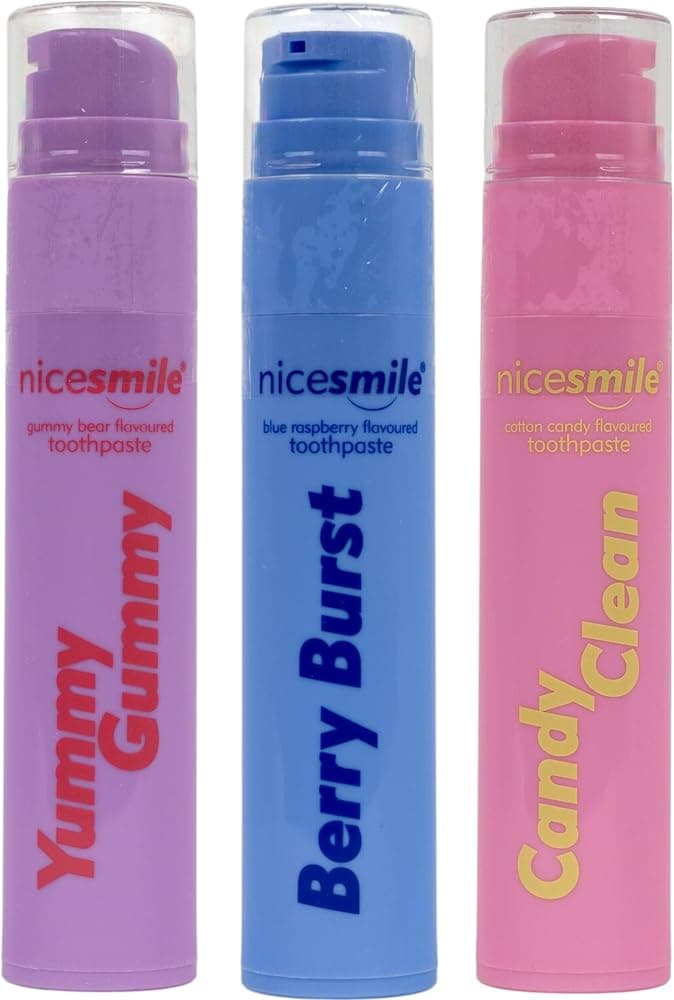
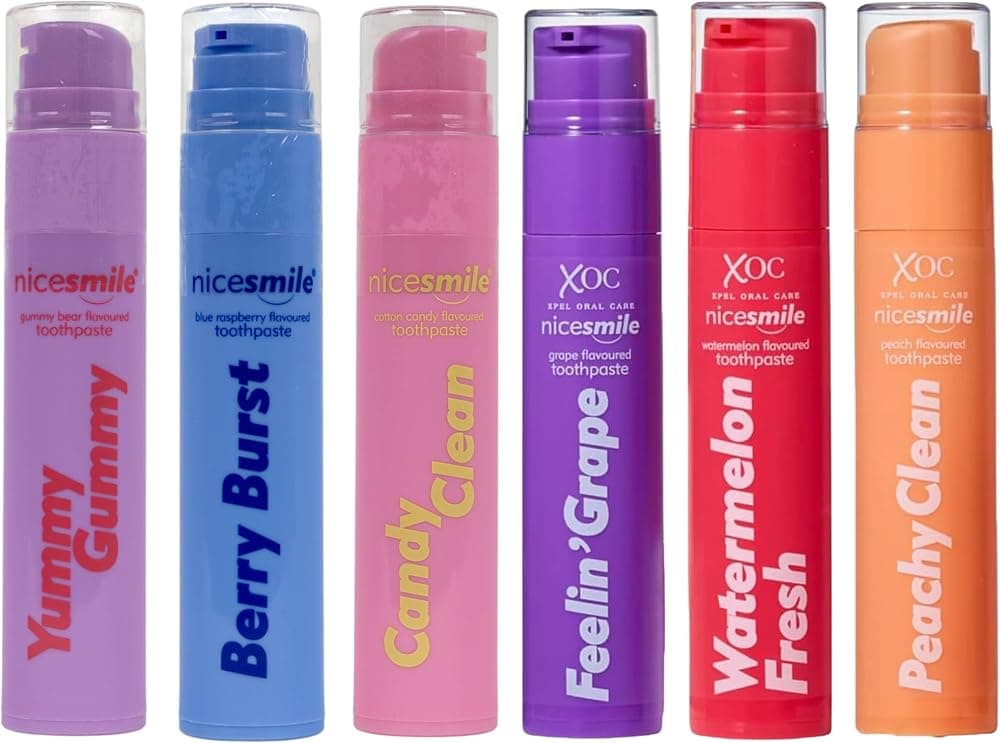
Take the price per item and divide it by how many months it lasts. For example, suppose one 60g tube of toothpaste lasts your household about a month. From the Nice Smile 6 Pack (All Flavours) at £21.99, which worked out at £3.66 per tube at the time of writing, your toothpaste line would be roughly £3.66 a month. Buy tubes singly at £7.45 to £9.99 and the same line more than doubles.
Your own timings will differ, and our guide on how long a tube of toothpaste lasts can help you estimate them.
Remember toothbrushes too. The NHS recommends replacing your toothbrush every three months, so budget for one per person each quarter.
Step 3: set your budget and add a buffer
Add up the monthly cost of every line. That's your baseline. Then:
- Add a buffer of around 10% for the unexpected: a new product for a skin flare-up, a school trip wash bag, a guest who forgot theirs.
- Plan for peaks. Some months cost more than others (see below).
- Round up. A tidy monthly figure is easier to stick to than an exact one.
If you buy bundles every few months rather than every month, set the monthly amount aside anyway, so the money's ready when it's time to restock.
Plan for the year's peaks
Toiletry spending isn't flat across the year. These are the moments that tend to catch UK families out:
| When | What pushes spending up | How to get ahead |
|---|---|---|
| Summer holidays | Travel minis and sun cream | Decant from full-size bottles or pack solid bars |
| Late August and September | New school term, university moves, PE kit wash bags | Stock up in bundles before term starts |
| Half terms | Trips away and sleepovers | Keep a pre-packed wash bag ready |
| December | Stocking fillers and small gifts | Split a bundle into gifts |
Our back-to-school toiletries checklist helps you plan for the busiest of these.
Step 4: buy the staples in bundles
This is where the budget actually shrinks. Everyday essentials used by the whole family are the best candidates for bundles.
Toothpaste
The Nice Smile 6 Pack is a good family starting point. The All Flavours version covers Watermelon Fresh, Feelin' Grape, Peachy Clean, Berry Burst, Yummy Gummy and Candy Clean, so everyone can find a favourite. The Berry, Gummy and Candy version was £19.99 (£3.33 per tube) at the time of writing. Once you know which flavours go down well, a bigger bundle like the 12 pack lowers the price per tube further.
For children, check the fluoride level on the pack against NHS guidance: a smear of toothpaste with no less than 1,000ppm fluoride for under-3s, a pea-sized amount with more than 1,000ppm for children aged 3 to 6, and 1,350 to 1,500ppm for adults. If you're unsure what suits your child, ask your dentist.
Shampoo
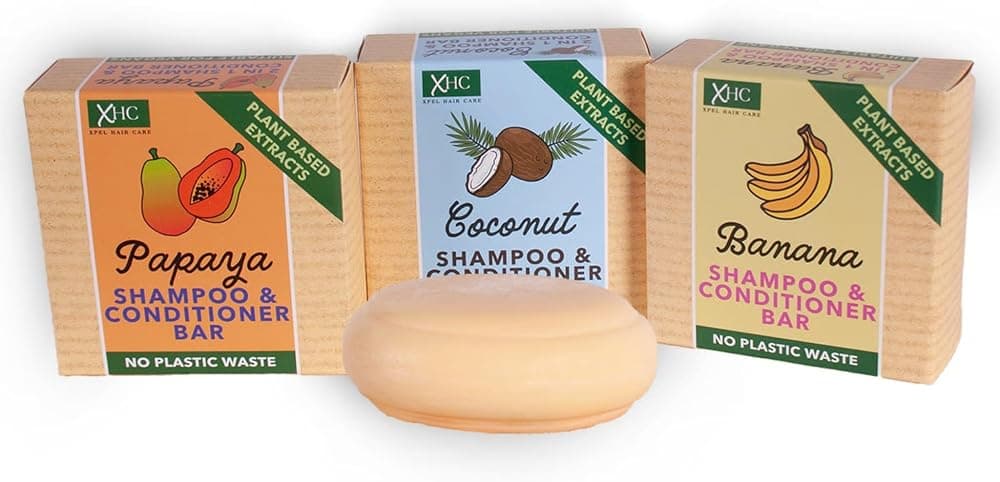
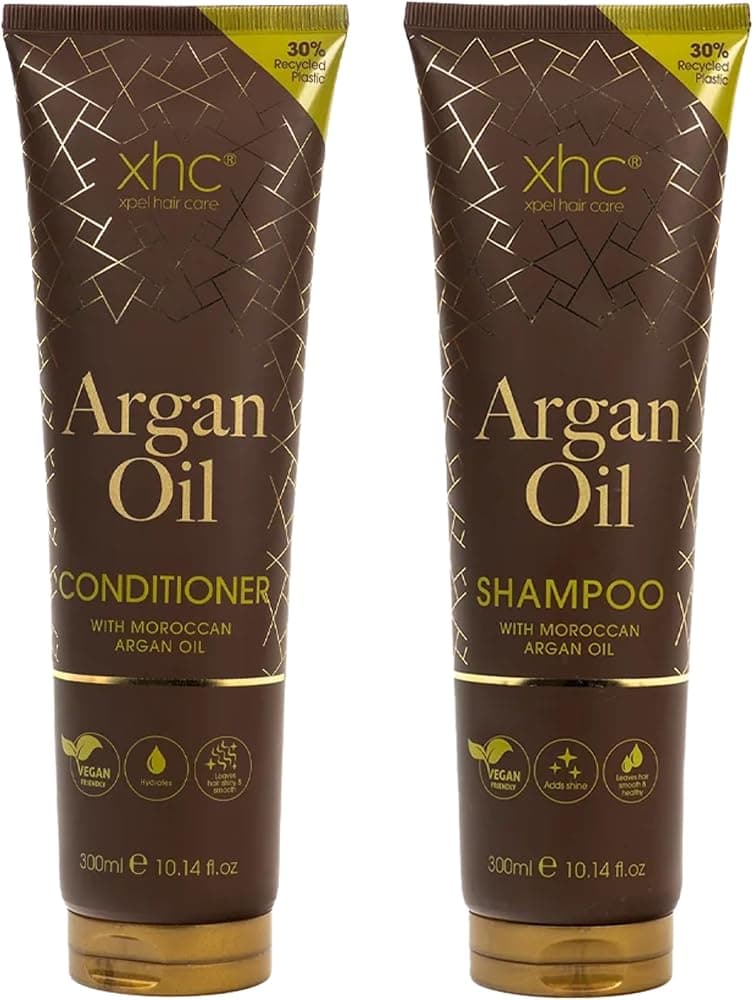
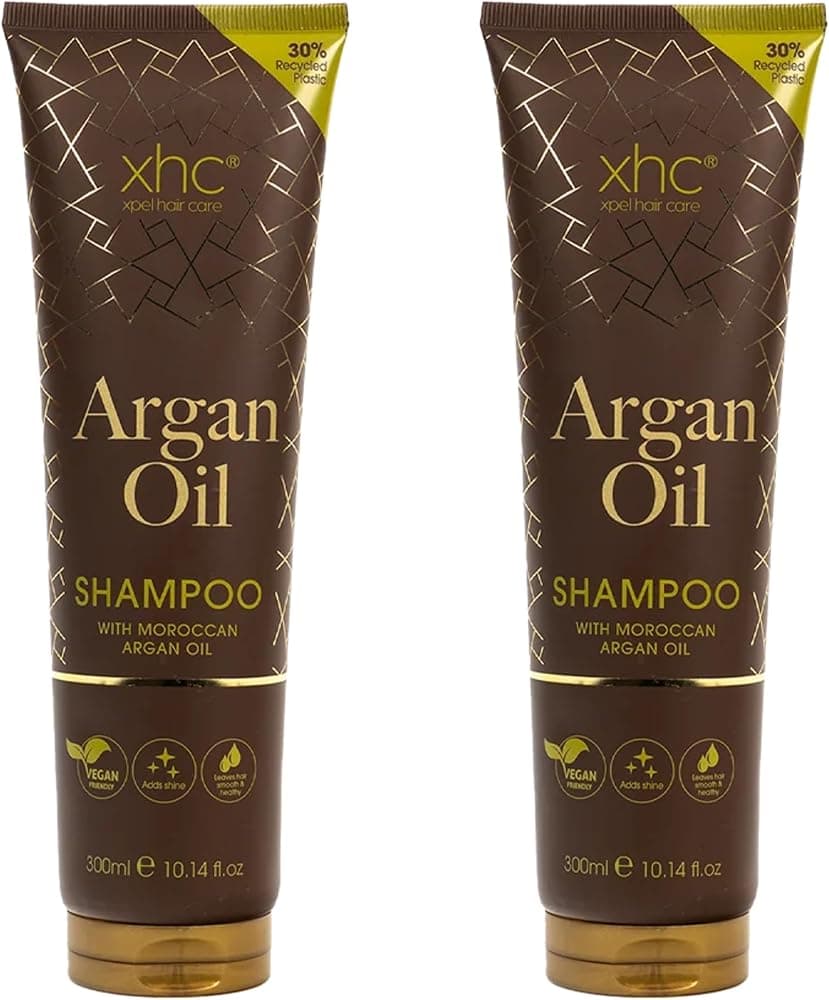
One shared shampoo that suits everyone usually costs less than several personal ones. XHC Argan Oil Shampoo is vegan friendly, paraben-free and labelled as suitable for all hair types. At the time of writing, the twin pack was £9.99 (£5.00 per bottle) and the 6 bottle stock-up was £28.47 (£4.75 per bottle). The XHC Argan Oil Shampoo 3 Pack was lower still at £4.33 per bottle, which shows why it pays to compare every pack size before you buy.
Step 5: keep a simple stock shelf
A budget only works if you can see what you have. Give toiletries one shelf or basket, put new stock at the back and use from the front, and keep a list on the cupboard door. When the last spare comes out, it goes on the list. For more ideas, see our family bathroom organisation ideas.
Where families can save without cutting corners
- Share where you can. One family shampoo and one family toothpaste, where the fluoride level suits everyone's age, cut the number of products you buy.
- Use the right amounts. The NHS recommends only a smear of toothpaste for under-3s and a pea-sized amount for 3 to 6 year olds, so children's tubes go further than you might expect.
- Don't skip the dentist. NHS dental treatment is free for children under 18, so regular check-ups needn't come out of the family budget.
- Buy what gets used. A cheaper product nobody likes is money wasted. Mixed bundles let you test favourites before you stock up.
The bottom line
A family toiletries budget comes down to five steps: audit, price, add a buffer, bundle the staples and keep your stock visible. It takes a little effort to set up, then saves you from last-minute top-ups for the rest of the year. At PoundMart, our bundles are made for exactly this kind of household stock-up, and you can compare them all in our bundles collection.
Frequently asked questions
How much should a family spend on toiletries?
There's no single right figure, because it depends on how many people live with you, their ages and hair types, and the products you choose. The most reliable approach is to track a month of real spending, work out the monthly cost of each item and set your budget from that, plus a small buffer.
What toiletries does a family need each month?
Most households need toothpaste, toothbrushes (replaced every three months), shampoo and conditioner, soap or shower gel, and deodorant for older children and adults. Add extras like plasters and cotton buds as needed, and keep one spare of each essential.
Can the whole family use the same toothpaste?
Often, yes, as long as the fluoride level is right for everyone's age. The NHS recommends a smear with no less than 1,000ppm fluoride for children under 3, a pea-sized amount with more than 1,000ppm for children aged 3 to 6, and 1,350 to 1,500ppm for adults. Check the pack, and ask your dentist if you're unsure.
How can I make toiletries last longer?
Use the recommended amounts, store tubes and bottles upside down so you can get the last of the product out, keep lids closed and let shampoo bars dry between uses. Keeping stock visible also stops anyone opening a new product before the old one is finished.