How often should you replace your toothbrush? The NHS recommends every three months, or sooner if the bristles look splayed or worn, and the same rule of thumb applies to electric toothbrush heads. That works out at four new brushes per person a year, so linking the swap to the calendar is the easiest way to stay on track.
It's one of those jobs that's easy to forget. A toothbrush doesn't stop working overnight; it just gets gradually less effective as the bristles bend and soften. This guide covers the signs your brush is past its best, how the rule applies to electric heads and children's brushes, and how to make replacing it automatic.
How often should you replace your toothbrush?
The short answer is every three months. That applies to manual toothbrushes and electric toothbrush heads alike.
The reason is simple: as bristles wear, they splay outwards and lose their stiffness, so they're less able to reach into the gaps between teeth and along the gumline where plaque builds up. A brush with tired bristles makes you work harder for a worse clean.
Three months is the maximum, not a target. If your brush looks worn after six weeks, replace it after six weeks.
Signs your toothbrush needs replacing now
Check your brush every so often. It's time for a new one if you notice any of these:
- Splayed or bent bristles. If the bristles fan out past the edge of the head, the brush won't clean properly.
- Flattened or soft bristles. Bristles that have lost their spring aren't doing their job.
- Discolouration or build-up. Residue collecting at the base of the bristles is a sign the brush has had its day.
- Chewed bristles. Common with children's brushes, and a good reason to swap early.
- It's been dropped somewhere unhygienic. The bathroom floor or, worse, the toilet. Don't risk it.
- Someone else has used it. Toothbrushes shouldn't be shared.
Some people also like to start with a fresh brush after a bad cold or a stomach bug. It isn't a formal NHS rule, but a new toothbrush costs little and can give peace of mind.
Manual, electric and children's brushes compared
The three-month rule applies across the board, but what wears a brush out differs by type.
| Type of brush | How often to replace | What to watch for |
|---|---|---|
| Manual toothbrush | Every three months, or sooner if worn | Splayed or flattened bristles |
| Electric toothbrush head | Every three months, or as the manufacturer advises | Worn bristles; some heads have coloured indicator bristles that fade with use |
| Children's toothbrush | Every three months, often sooner | Chewing, which splays bristles quickly |
| Travel toothbrush | Every three months, like any other brush | Bristles squashed in a wash bag or cap |
Electric toothbrush heads
Only the head needs replacing, not the whole brush. Many brands suggest about three months too, and some heads have indicator bristles that fade as they wear, which takes the guesswork out. Check your model's guidance.
Children's toothbrushes
Children often chew their brushes, especially younger ones, so their brushes can wear out well before three months. A quick look at bath time will tell you. Choosing a new brush is also a nice way to give a reluctant brusher some ownership; our guide on how to get kids to brush their teeth has more ideas like that.
How to make your toothbrush last the full three months
A few habits keep your brush in good shape for longer and help it clean properly while it lasts:
- Brush gently. Pressing hard splays the bristles quickly and can be rough on your gums. If your brush looks worn within a few weeks, you may be pressing too hard; your dentist can check your technique.
- Rinse and air dry. Rinse the brush under the tap after use and store it upright so it can dry.
- Don't cover it while it's wet. Caps are handy for travel, but a damp brush kept sealed doesn't dry out properly.
- Keep brushes apart. In a family bathroom, make sure the heads aren't touching each other in the cup.
- One brush per person. No sharing, not even between siblings.
Build a replacement habit that runs itself
The problem with "every three months" is that nobody remembers when the last three months started. These tricks take the memory out of it.
Tie it to the calendar
Pick four dates a year and swap every brush in the house on those days. The start of each season works well:
| Swap date | Quick check while you're at it |
|---|---|
| 1 March | Spare brushes in the cupboard for everyone? |
| 1 June | Holiday wash bags stocked with a brush and toothpaste? |
| 1 September | New brushes for the start of the school year? |
| 1 December | Spare toothpaste in for the festive season? |
Set a recurring reminder on your phone, and the job takes care of itself.
Keep spares in stock
Buy toothbrushes in multi-packs so there's always a new one ready on swap day. If the spare is in the cupboard, replacing it takes ten seconds.
Restock toothpaste at the same time
Swap day is also a good moment to check your toothpaste supply. Our guide to how long a tube of toothpaste lasts can help you work out how much your household needs between swaps.
Pair a fresh brush with fresh toothpaste
If you're restocking brushes every three months, it makes sense to restock toothpaste too. At PoundMart, we sell toothpaste in bundles so families can keep spares in the cupboard without paying single-tube prices.
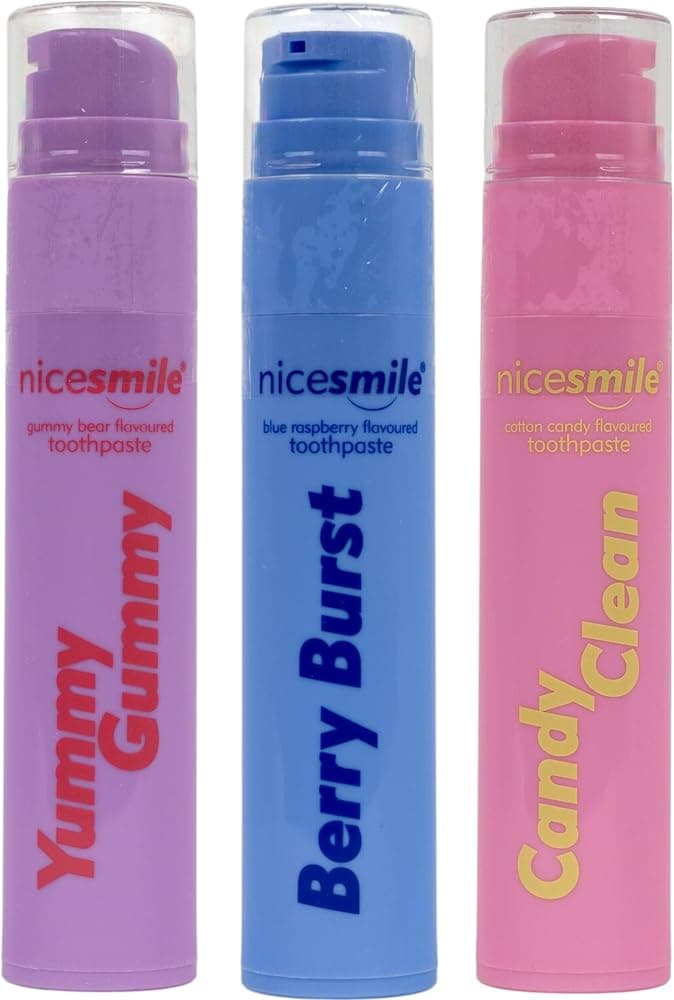
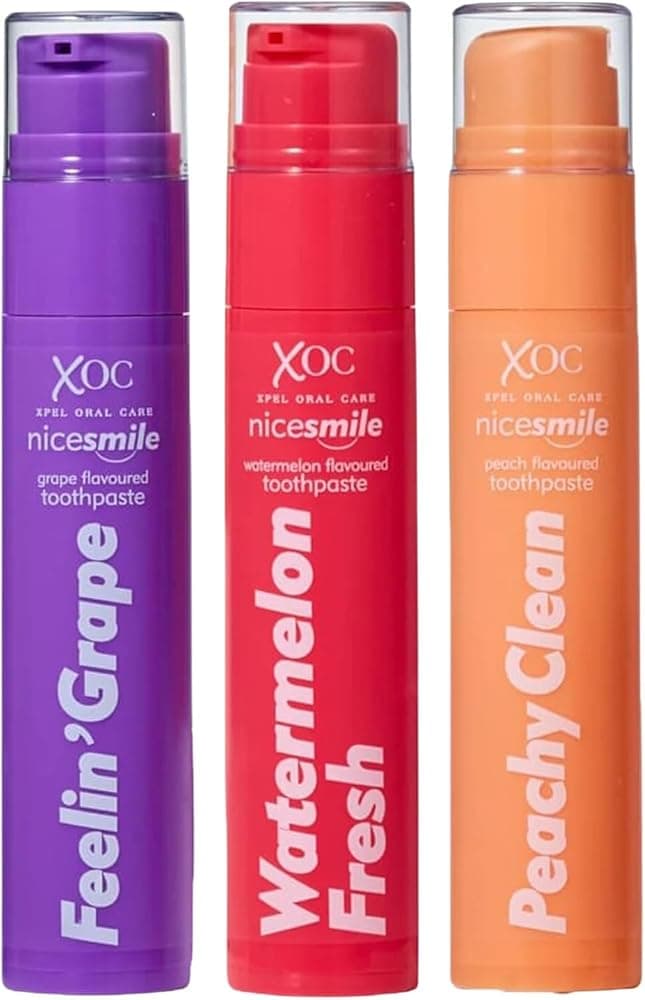
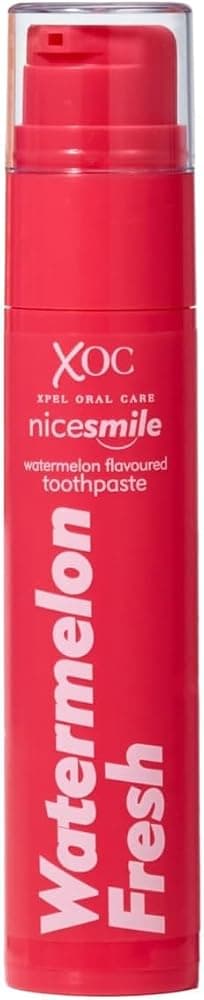
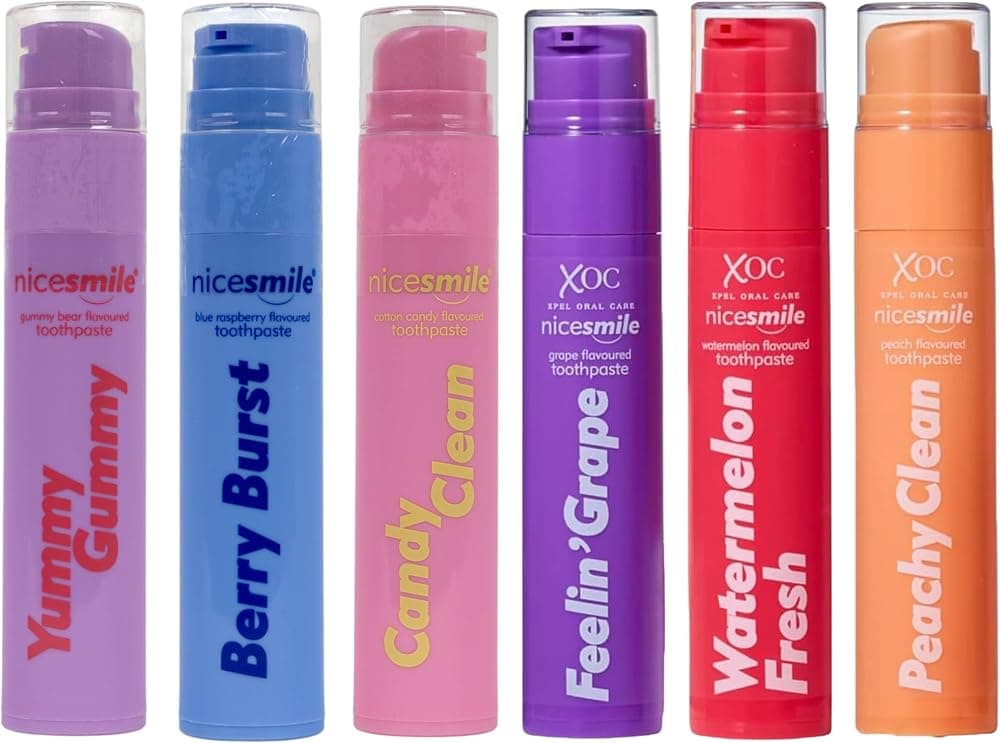
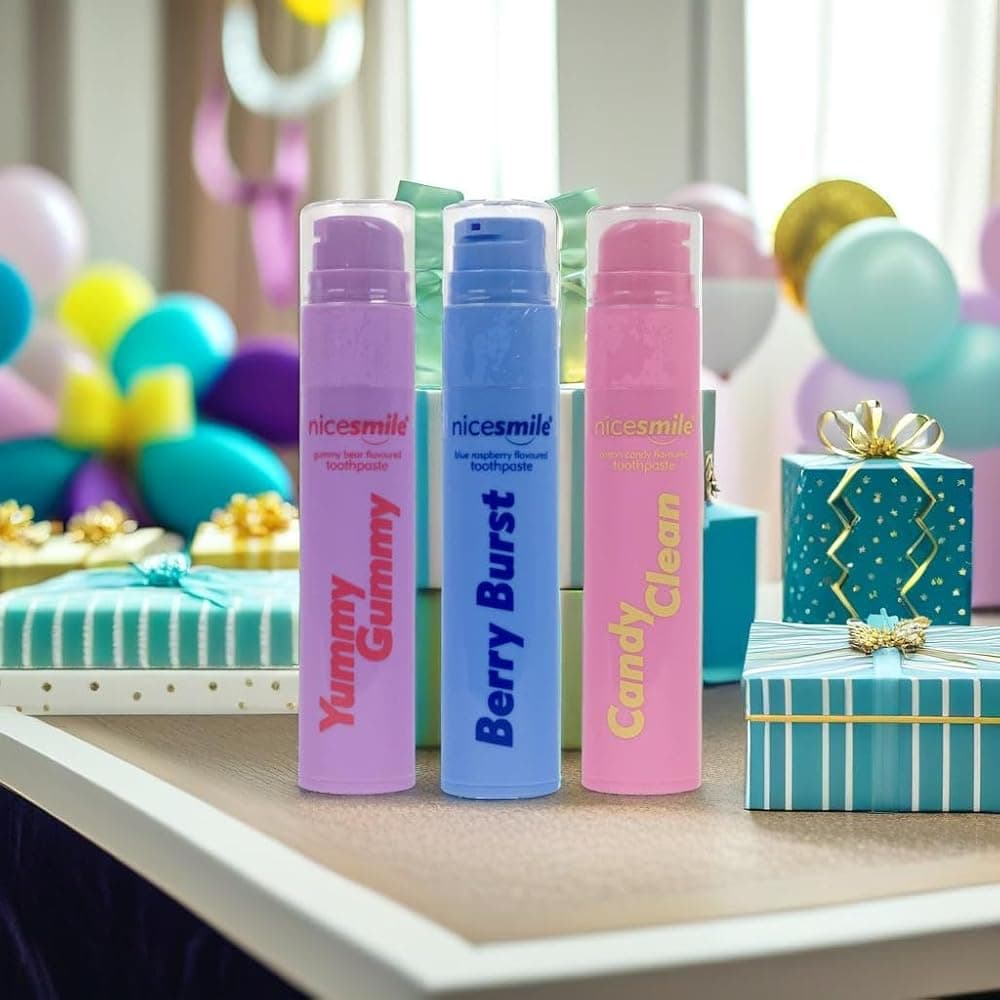
The Nice Smile 6 Pack Toothpaste Bundle contains six 60g tubes of flavoured fluoride toothpaste. The All Flavours version includes Watermelon Fresh, Feelin' Grape, Peachy Clean, Berry Burst, Yummy Gummy and Candy Clean, so a fresh brush can come with a fresh flavour too. When we checked in September 2026, it was £21.99 on Amazon, or £3.66 per tube, with a Berry, Gummy and Candy version at £19.99.
You can find more multi-packs in our bundles collection.
Don't forget the rest of your oral care
A fresh toothbrush is only part of the picture. The NHS basics still apply:
- Brush twice a day for about two minutes, including last thing at night.
- Use fluoride toothpaste. Adults should use 1,350 to 1,500ppm; children need the right amount and strength for their age.
- Spit, don't rinse, so the fluoride stays on your teeth.
- Clean between your teeth with floss or interdental brushes.
- See your dentist regularly. They'll tell you how often you need a check-up.
If you're building better habits for the whole household, our guide to a family brushing routine pulls all of this into a simple morning and bedtime plan.
The bottom line
Replace your toothbrush every three months, or sooner if the bristles are splayed, chewed or worn. The same goes for electric toothbrush heads. Pick four swap days a year, keep spare brushes and toothpaste in the cupboard, and the job stops relying on memory. A fresh brush costs very little and helps every one of your twice-daily brushes count.
Frequently asked questions
Should I replace my toothbrush after being ill?
There's no formal NHS rule about replacing your toothbrush after a cold or other illness, but some people choose to as a precaution. A new toothbrush is inexpensive, so if it gives you peace of mind, go ahead. Either way, stick to the three-month rule.
How often should you replace an electric toothbrush head?
Every three months, or sooner if the bristles look worn, is a good rule. Some electric toothbrush heads have indicator bristles that fade as they wear, and your brush's instructions will give the manufacturer's advice.
Why does my toothbrush wear out so quickly?
Brushing too hard is a common reason. Heavy pressure bends the bristles outwards and can also irritate your gums. Try a lighter grip, and ask your dentist to check your technique if your brush looks worn within a few weeks.
How often should children replace their toothbrush?
The same three-month rule applies, but children's brushes often need replacing sooner because they get chewed. Check the bristles regularly, and swap the brush as soon as they start to splay.