The most reliable way to get kids to brush their teeth is to make brushing a predictable, shared routine they have some control over: the same two times every day, a toothpaste flavour they picked, a two-minute timer that feels like a game, and a grown-up brushing alongside them. Add specific praise for turning up, and you give brushing its best chance of becoming a habit instead of a battle.
This guide covers why children resist, the NHS basics you shouldn't compromise on, ten practical tactics, what works at each age and what to do when nothing seems to work. At PoundMart, we sell flavoured toothpaste bundles, so yes, we think flavour helps. It is one piece of the puzzle, though, not the whole picture.
Why kids fight toothbrushing (it's rarely about their teeth)
Most brushing battles have little to do with teeth. Knowing the real reason helps you choose the right fix instead of repeating "just open your mouth" louder.
- Control. Children have little say over most of their day. Refusing to brush is one of the few levers they can pull.
- Sensory overload. Strong mint, foamy paste and bristles on sensitive gums can genuinely feel unpleasant, especially for younger children.
- Tiredness. Brushing usually lands at the end of the day, when patience (theirs and yours) is running low.
- Boredom. Two minutes is a long time when you're four and there's a toy car waiting.
- Transitions. Being pulled away from play is hard for lots of children, whatever the reason.
Watch your child for a few evenings. If they're fine in the morning but fight at night, tiredness is the likely culprit. If they gag or pull faces at the paste, flavour or texture may be the problem.
The NHS basics to keep non-negotiable
Plenty about brushing can be flexible. These parts shouldn't be, because they're what actually protects teeth:
- Twice a day, about two minutes. The NHS recommends brushing last thing at night and at one other time during the day.
- Fluoride toothpaste in the right amount. Children under 3 need a smear of toothpaste with no less than 1,000ppm fluoride. Children aged 3 to 6 need a pea-sized amount with more than 1,000ppm. The fluoride level is printed on the pack, so check it. Our guide to how much toothpaste kids should use explains the amounts in detail.
- Spit, don't rinse. Rinsing washes away the fluoride that keeps working after brushing.
- Help and supervise. The NHS advises helping or watching your child brush until they're at least 7.
- Start early, see the dentist. Begin brushing as soon as the first milk tooth appears, and take your child for regular check-ups. NHS dental care is free for children.
Everything else in this guide is about making those basics easier to hit every day.
10 ways to get kids to brush their teeth
You don't need all ten. Pick two or three that suit your child and give them a fortnight before judging.
1. Let them choose the toothpaste flavour
A child who picked the flavour has a stake in using it. If mint is the sticking point, a fruity or sweet flavour can remove the biggest objection. Our guide to toothpaste for kids who hate mint covers the options, and you can browse every flavour in our toothpaste collection.
2. Let them pick the toothbrush too
A brush in their favourite colour, or one with a character on it, turns a chore into their thing. Choose a small head and soft bristles for little mouths.
3. Brush together
Children copy what they see. Brushing at the same time as them shows that it's just what everyone does, and it lets you model good technique without a lecture.
4. Make two minutes feel shorter
Two minutes of silence feels endless. Two minutes of a favourite song feels quick. Try a sand timer, a brushing song, or a timer on a phone or smart speaker. Some children love racing the timer; others like counting the teeth as they go.
5. "You go first, then I check"
Let your child have a proper go, then take a turn yourself to finish the job. Calling your turn "checking for sugar bugs" or "polishing" keeps it light, and they still get the independence they're craving.
6. Reward the routine, not the result
A simple sticker chart for brushing morning and night can help. Reward showing up and trying, and avoid sweets as prizes for obvious reasons.
7. Brush teddy's teeth first
For toddlers and preschoolers, role play is powerful. Let them brush a teddy's or a doll's teeth, then swap. It demystifies the whole thing and gives them a sense of being in charge.
8. Offer small choices
"Do you want to do top teeth or bottom teeth first?" "Blue brush or green brush?" Small choices meet the need for control without making brushing optional.
9. Move brushing earlier in the bedtime routine
If night brushing collapses because your child is exhausted, brush straight after the bath or pyjamas, before stories. Just make sure nothing but water passes their lips afterwards.
10. Keep your cool and keep it brief
If brushing turns into a power struggle, it becomes a game your child can win. Stay calm, keep instructions short, and move on as soon as it's done. A matter-of-fact tone does more than a long negotiation.
Age-by-age: what to try at each stage
Children's needs change quickly, and a trick that works at three may be "babyish" at seven. Use this as a starting point.
| Age | What brushing looks like | Ideas to try |
|---|---|---|
| Under 3 | You do the brushing with a smear of fluoride toothpaste | Sing a song, sit them on your lap facing away from you, let them hold a second brush |
| 3 to 4 | They have a go, you finish, with a pea-sized amount | Choosing the flavour, sticker charts, brushing teddy's teeth |
| 5 to 6 | More independent, but still needs help reaching the back teeth | Songs and timers, "you do the top, I do the bottom", brushing together |
| 7 to 9 | Brushing alone, with an adult checking | Their own toothpaste and brush, a mirror at their height, occasional checks |
| 10 and over | Independent, with reminders | Their own kit, trusting them with the timing, reminders about check-ups |
When your child still refuses
Some children dig in regardless. A few things to consider:
- Look for pain. A child who suddenly refuses may have a wobbly tooth, a new tooth coming through, a mouth ulcer or sensitive teeth. If you're worried, book a dental check-up.
- Think about sensory needs. If textures, tastes or foam seem overwhelming, try a softer brush, a milder flavour, and brushing in a calmer moment. Your dentist or health visitor can suggest more ideas for children with sensory sensitivities.
- Aim for good enough. On a really tough night, a quick brush with the right toothpaste beats a skipped one. Don't let one bad evening become a new normal, though.
- Don't swap toothpaste for water. Brushing without fluoride toothpaste loses much of the protective benefit. If the paste is the problem, change the flavour rather than dropping it.
Making brushing stick as a family habit
Tactics get you through the week. Routine gets you through the year. Brushing happens most reliably when it's anchored to things that already happen every day, such as getting dressed in the morning and putting pyjamas on at night. Our guide to building a family brushing routine walks through a sample morning and bedtime plan.
A few practical habits help too:
- Same times, same place. Predictability removes the debate.
- Rotate flavours. A new flavour every few weeks can revive interest when the novelty wears off.
- Never run out. Nothing derails a hard-won routine like an empty tube on a school night. Keeping a spare or two in the cupboard is an easy fix.
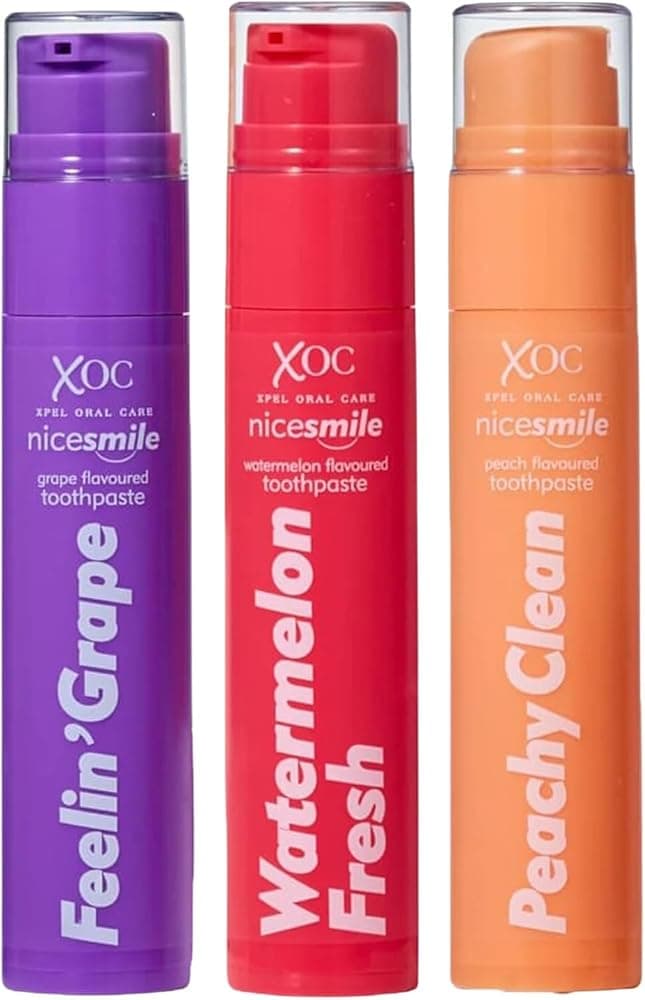
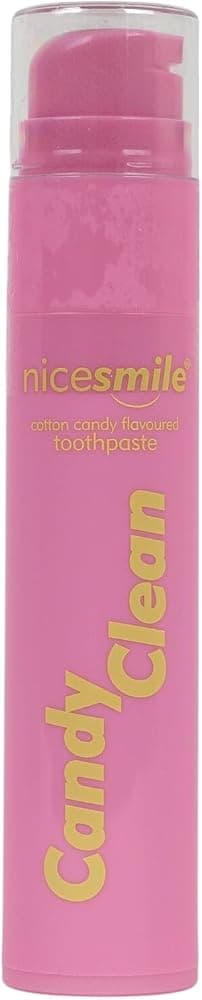
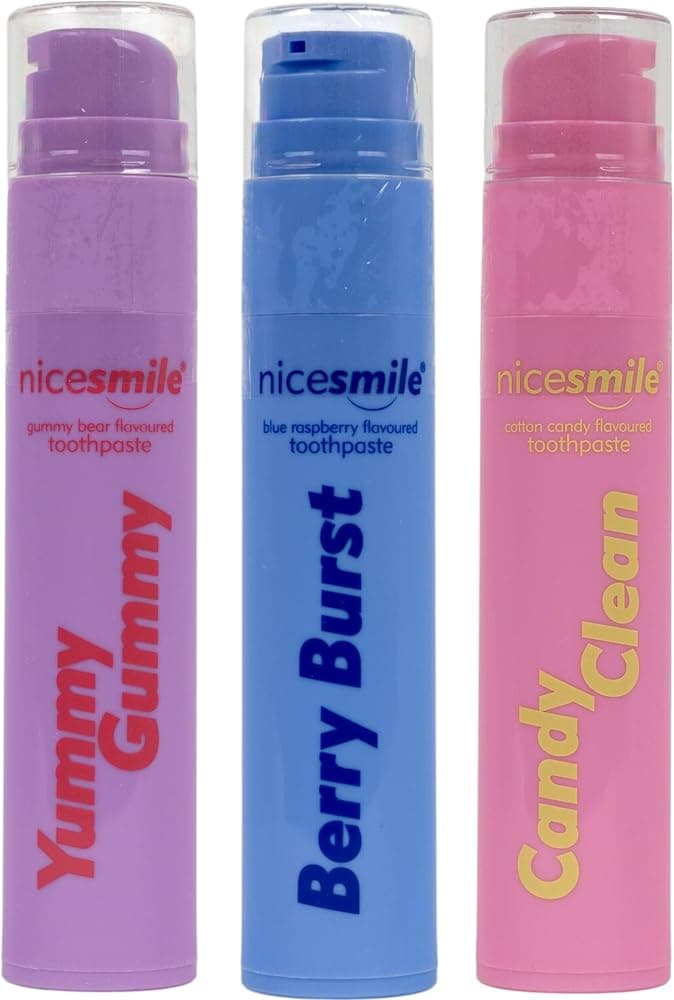
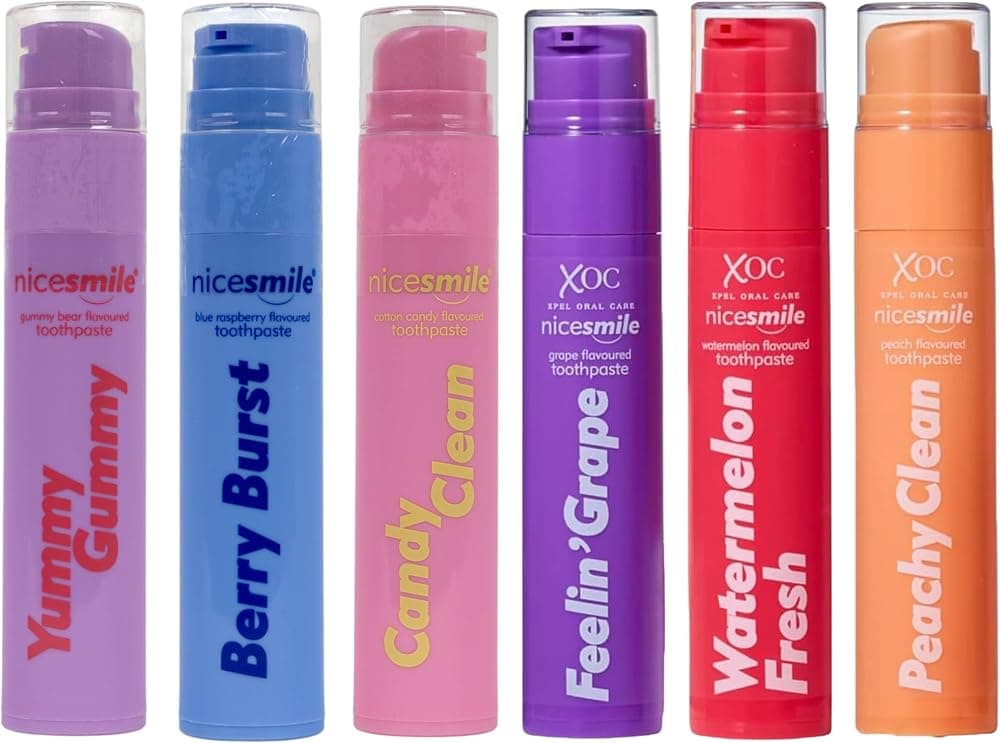
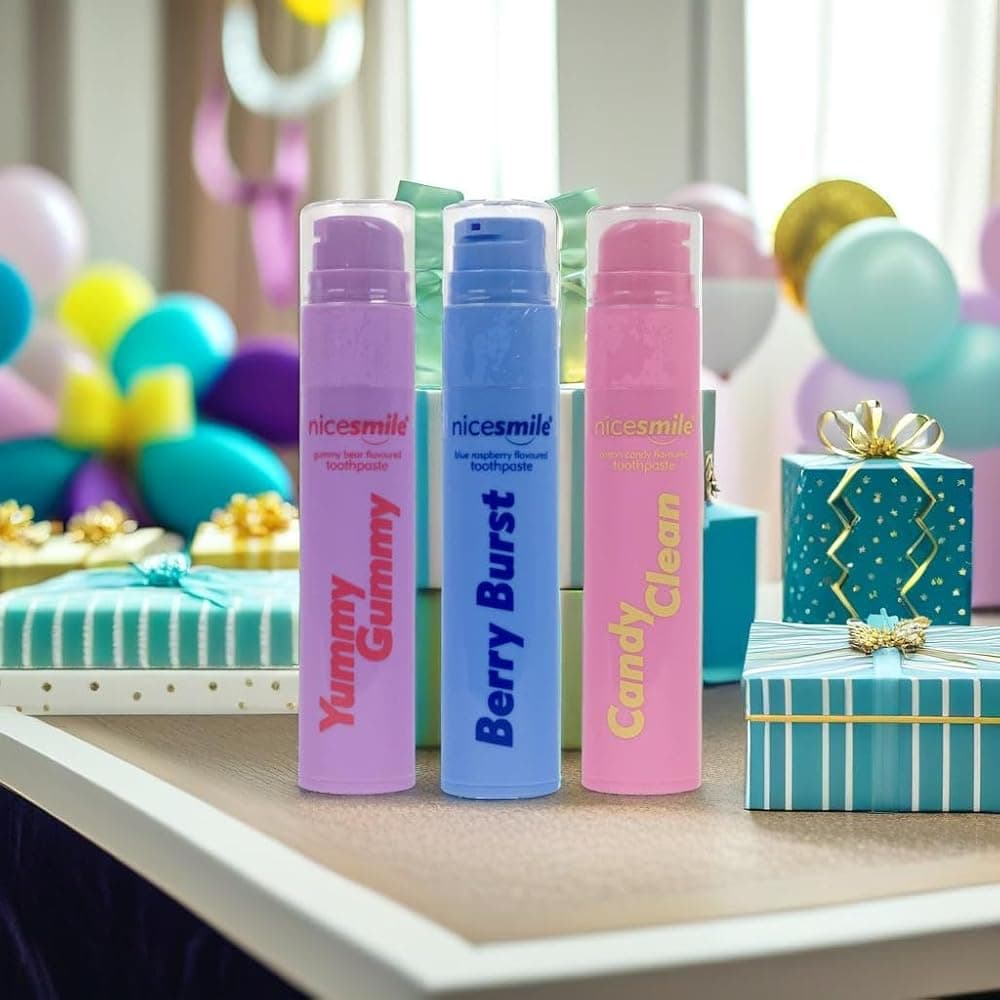
That's where bundles earn their keep. The Nice Smile 6 Pack Toothpaste Bundle comes in two versions: All Flavours (Watermelon Fresh, Feelin' Grape, Peachy Clean, Berry Burst, Yummy Gummy and Candy Clean) or Berry, Gummy and Candy. At the time of writing, the All Flavours pack was £21.99 on Amazon, which works out at £3.66 per 60g tube.
The bottom line
Getting kids to brush their teeth is less about finding one magic trick and more about stacking small wins: a flavour they chose, a brush they like, a timer that makes it fun and a grown-up brushing alongside them. Keep the NHS basics fixed (twice a day, fluoride toothpaste in the right amount, spit don't rinse) and be flexible about everything else. Stick with it, and brushing slowly stops being the nightly flashpoint.
Frequently asked questions
At what age can children brush their teeth on their own?
The NHS advises helping or supervising your child's brushing until they're at least 7. Before then, most children don't yet have the control to clean every surface properly, especially the back teeth. Let them have a go, then finish off for them.
How long should kids brush their teeth for?
Children should brush for about two minutes, twice a day, just like adults. A song or a sand timer makes the time easier to judge. One of those sessions should be last thing at night.
Is it OK to skip brushing if my child is really upset?
An occasional missed session isn't a disaster, but try not to skip the bedtime brush. Your mouth makes less saliva while you sleep, so going to bed with food on the teeth gives decay more time to work. Even a short, calm brush is better than none.
Does flavoured toothpaste clean as well as mint?
The flavour itself doesn't clean teeth: brushing removes plaque and fluoride helps protect enamel. What matters is that the toothpaste has the right fluoride level for your child's age, so check the pack. If a fruity flavour means your child brushes happily twice a day, that's a win.
Should my child rinse their mouth after brushing?
No. The NHS advises spitting out the toothpaste but not rinsing, so the fluoride stays on the teeth for longer. If your child hates the aftertaste, a flavour they enjoy can make skipping the rinse easier.