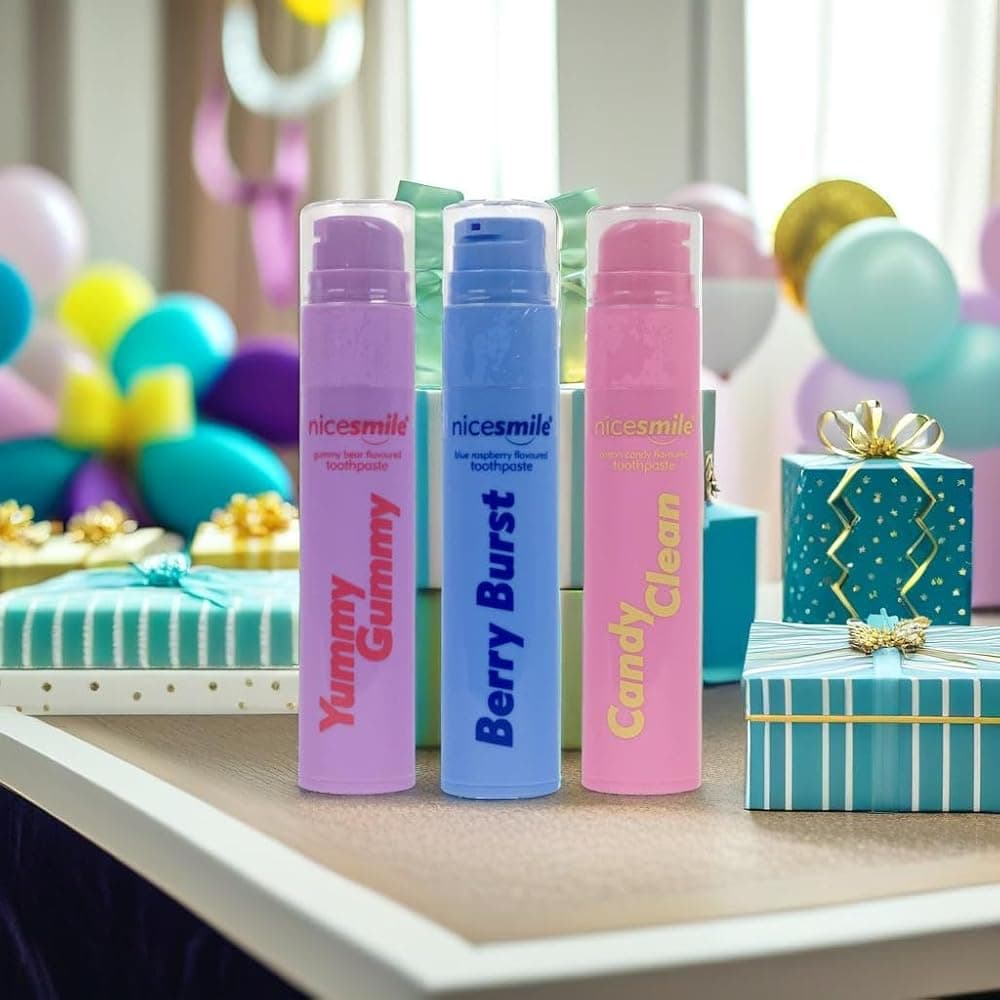
A vegan toothpaste is one made without any animal-derived ingredients. If you're shopping for vegan toothpaste in the UK, the three things worth checking are a clear vegan label, a fluoride level that matches NHS guidance for your age, and the brand's position on animal testing. Vegan and fluoride are not opposites: fluoride is a mineral, so a toothpaste can be fully vegan and still give you the decay protection dentists recommend.
The tricky part is that toothpaste labels rarely tell you where each ingredient came from. This guide explains which ingredients can come from animals, the difference between vegan and cruelty-free, and a quick checklist for choosing a vegan toothpaste your whole household will be happy to use.
What makes a toothpaste vegan?
Most toothpaste is made from a fairly standard set of ingredients: a mild abrasive to polish, a humectant to stop it drying out, a foaming agent, flavouring, a thickener and an active ingredient such as fluoride. Most of these can be made from plant or synthetic sources, but a handful can also come from animals. A toothpaste is vegan when the maker has chosen non-animal sources for all of them and avoided ingredients that can only come from animals.
Here are the ingredients vegans most often ask about:
| Ingredient | What it does in toothpaste | Why vegans check it |
|---|---|---|
| Glycerin (glycerol) | Keeps the paste smooth and stops it drying out | Can be made from plant oils or from animal fat, and labels rarely say which |
| Calcium phosphates | Mild abrasive that helps polish teeth | Some forms can be sourced from animal bone, although many are made synthetically |
| Propolis, beeswax or honey | Used in some "natural" toothpastes | Bee products are not vegan |
| Colourings such as carmine | Gives stripes or coloured gels their shade | Carmine (also listed as cochineal or CI 75470) is made from insects |
| Flavourings | Provide the taste | Flavour blends are rarely broken down on the label, so you rely on the brand's vegan statement |
Because the same ingredient name can hide a plant or an animal source, the ingredient list alone can't always confirm a toothpaste is vegan. That's why the brand's own vegan statement, or an independent vegan logo, matters.
Vegan and cruelty-free are not the same thing
The two labels often appear side by side, but they answer different questions:
- Vegan is about what goes into the product: no animal-derived ingredients.
- Cruelty-free is about how the product and its ingredients were tested: no testing on animals.
A toothpaste could, in theory, be one without the other. The UK has banned animal testing for cosmetic products and ingredients for many years, but independent cruelty-free schemes often go further, looking at ingredient suppliers and whether a brand sells into markets that require animal testing.
Logos worth knowing
If you want independent reassurance, these are the recognised schemes you're most likely to spot on UK shelves:
- The Vegan Society's Vegan Trademark (the sunflower logo) for products free from animal ingredients.
- Leaping Bunny, run by Cruelty Free International, for cruelty-free products.
- PETA's cruelty-free bunny logos, which cover animal testing and, in one version, vegan status too.
A product without one of these logos can still be vegan. Certification is voluntary, so many brands self-declare on the pack or the product listing instead. If a vegan claim matters a lot to you and there's no logo, contact the brand and ask.
Does vegan toothpaste contain fluoride?
It depends on the product. Fluoride itself is a mineral, so it's perfectly compatible with a vegan toothpaste. The confusion comes from the fact that some vegan toothpastes are also marketed as "natural" and leave fluoride out.
That matters because fluoride is the ingredient doing most of the heavy lifting against tooth decay. It strengthens enamel, helps repair early decay and reduces the acid that plaque bacteria produce. We explain how in what fluoride does for teeth.
The NHS recommends:
- children under 3: a smear of toothpaste with no less than 1,000ppm fluoride
- children aged 3 to 6: a pea-sized amount with more than 1,000ppm fluoride
- adults: toothpaste with 1,350 to 1,500ppm fluoride
Whatever toothpaste you choose, brush twice a day for about two minutes (last thing at night and at one other time) and spit rather than rinse, so the fluoride stays on your teeth.
How to choose a vegan toothpaste in the UK: a quick checklist
Run through these six checks and you'll rarely get caught out:
- Look for a clear vegan statement on the pack or listing, or a recognised vegan logo.
- Scan the ingredients for bee products or carmine, which are never vegan.
- Check the fluoride level and match it to NHS guidance for each person's age.
- Check the cruelty-free position, either a logo or a clear statement from the brand.
- Think about flavour. A toothpaste that nobody wants to use is no good, however ethical it is.
- Think about value. Vegan toothpastes aren't always more expensive, and buying in bundles can bring the cost per tube down.
Vegan toothpaste for families and kids
Families often come to vegan toothpaste because one person in the house is vegan and it's simpler if everyone shares. That works well, as long as you still follow age-specific guidance on amounts and fluoride strength.
Flavour is the other big factor with children. Strong mint can feel spicy to little mouths, and a fruity or sweet flavour can make the two-minute routine far less of a negotiation. If you're choosing for younger brushers, our guide to the best flavoured toothpaste for kids covers what to look for, and the same principles apply whether or not the paste is vegan.
A few family-friendly tips:
- Supervise brushing until children are around 7 or 8.
- Use a smear for under-3s and a pea-sized amount for children aged 3 to 6.
- Let children choose their own flavour from a mixed pack so they feel some ownership.
- Keep a spare tube in the cupboard so nobody runs out on a school night.
Where Nice Smile fits
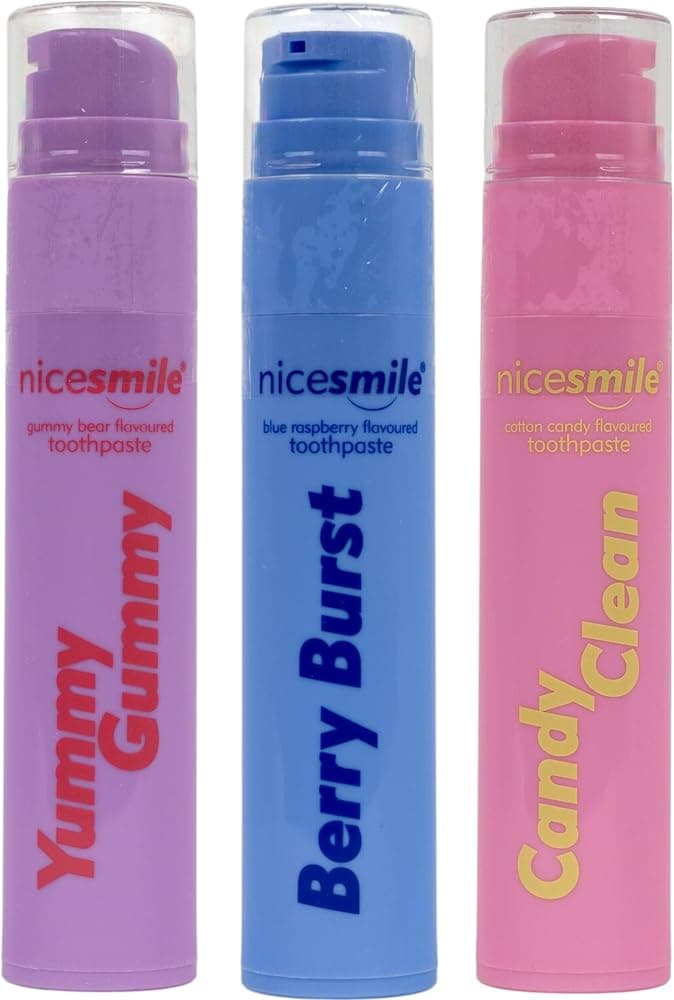
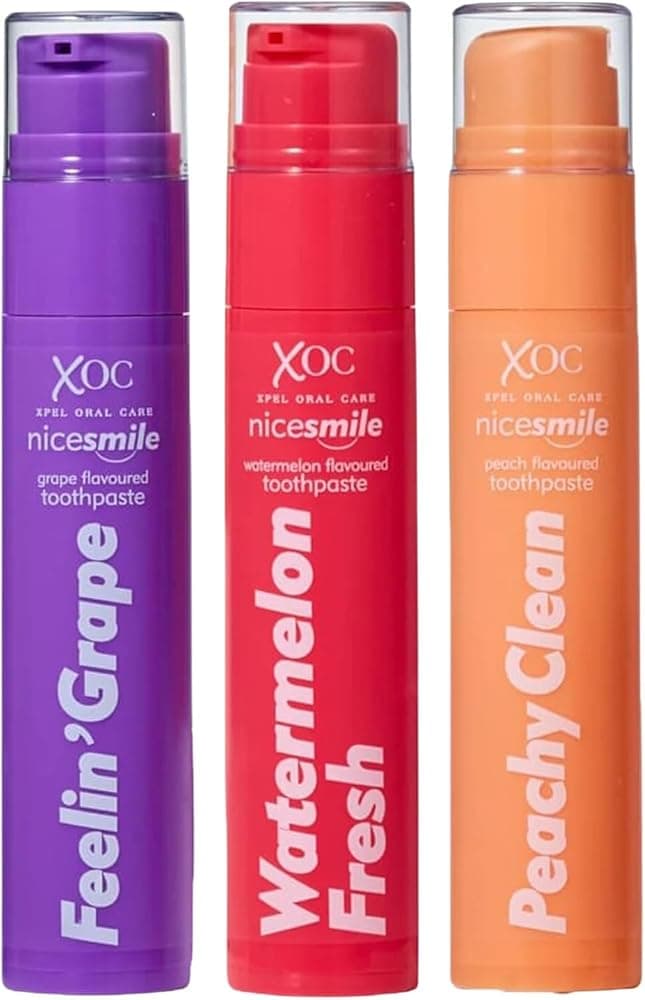
At PoundMart, every Nice Smile toothpaste we sell is described on its listing as vegan. The 6 pack listing also describes the formula as enamel-safe with no animal testing, alongside whitening and fluoride protection that helps prevent cavities.
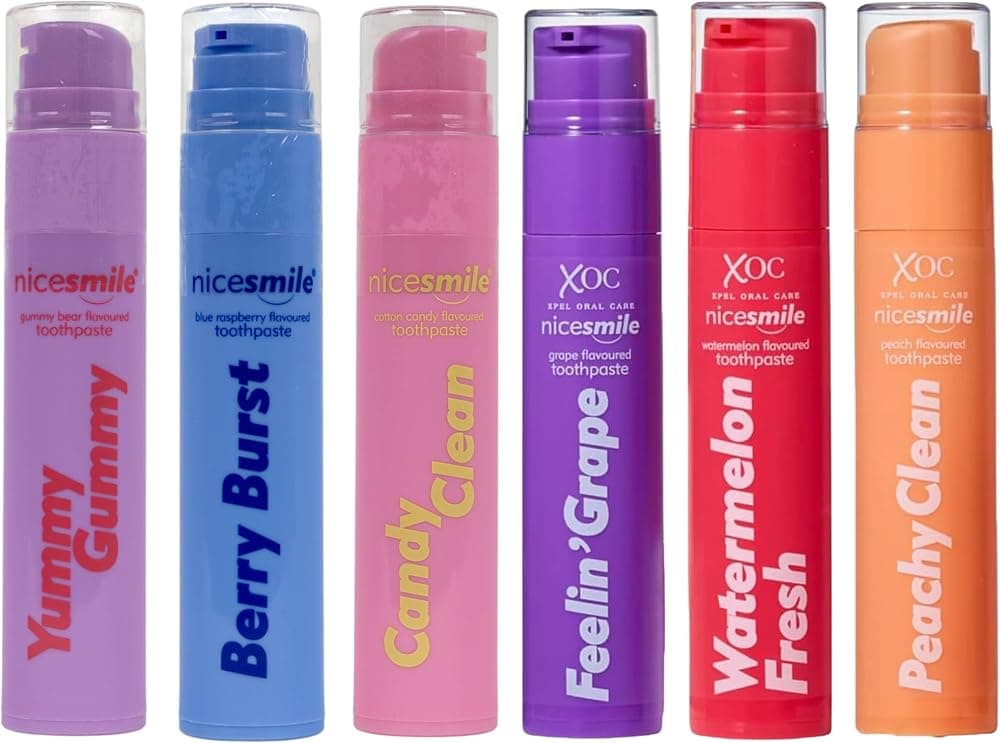
The Nice Smile 6 Pack Toothpaste Bundle comes in two versions, each with six 60g tubes:
| Pack | Flavours | Price when we checked (September 2026) | Per tube |
|---|---|---|---|
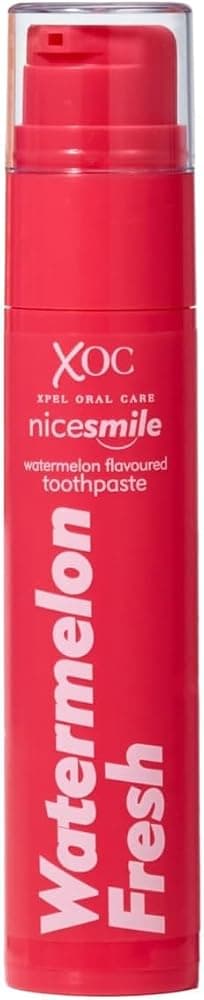
| All Flavours | Watermelon Fresh, Feelin' Grape, Peachy Clean, Berry Burst, Yummy Gummy, Candy Clean | £21.99 | £3.66 |
| Berry, Gummy & Candy | Berry Burst, Yummy Gummy and Candy Clean | £19.99 | £3.33 |
The compact 60g tubes also suit gym bags, holiday wash bags and gifting. As always, check the pack for the fluoride level before choosing it for a young child. You can see every flavour and pack size in our bundles collection.
Switching to vegan toothpaste without waste
If you've just decided to go vegan, there's no need to throw away a half-used tube. Finish what you have, then switch. When you do:
- Buy a mixed pack first if you're not sure which flavour will win over the household.
- Stock up once you've found a favourite, so you're not making lots of small, last-minute purchases.
- Store spare tubes somewhere cool and dry, with caps on, and use the oldest first.
- Look at the rest of your bathroom too. Toothpaste is only one swap; our guide to plastic-free bathroom swaps has more ideas.
The bottom line
Vegan toothpaste in the UK is easy to find once you know what to look for: a clear vegan statement or logo, no bee products or insect-based colours, a cruelty-free position you're comfortable with and, most importantly, the right fluoride level for each person using it. Get those right and you can protect your teeth without compromising your values. You're one in a melon for checking the label.
Frequently asked questions
Is all toothpaste vegan in the UK?
No. Many toothpastes are vegan, but some contain ingredients that can come from animals, such as glycerin from animal fat, bee products or insect-based colourings. Look for a clear vegan statement from the brand or a recognised vegan logo if you want to be sure.
Is glycerin in toothpaste vegan?
Glycerin can be made from plant oils or from animal fat, and the ingredient list usually won't tell you which. If the toothpaste is labelled vegan, the brand is telling you the glycerin comes from a non-animal source. If there's no vegan statement, ask the brand directly.
Is vegan toothpaste as good as regular toothpaste?
A vegan toothpaste can protect your teeth just as well as a non-vegan one, provided it contains fluoride at the level the NHS recommends for your age. The vegan label is about where the ingredients come from, not how well the toothpaste works. Always check the ppm figure on the pack.
Can children use vegan toothpaste?
Yes. Children can use vegan toothpaste as long as it has the right fluoride level for their age and you use the right amount: a smear for under-3s and a pea-sized amount for children aged 3 to 6. Supervise brushing until they're around 7 or 8.
Is Nice Smile toothpaste vegan?
The Nice Smile listings describe the toothpaste as vegan, with no animal testing, and also as enamel-safe with whitening and fluoride protection. As with any toothpaste, check the pack for the full ingredients and the fluoride level before you buy.