
The easiest plastic free bathroom swaps are the ones you'll actually keep using: shampoo and conditioner bars instead of bottles, bar soap instead of pump hand wash, a bamboo or replaceable-head toothbrush, reusable cotton pads, and refills for anything you can't swap. Make one change each time a product runs out and, within a few months, your bathroom bin and recycling box will look a lot lighter.
This guide ranks the swaps from easiest to most effort, gives honest notes on what's worth it, and covers the one area where we'd always put your health ahead of plastic: toothpaste.
Plastic free bathroom swaps, from easiest to hardest
| Swap | Replaces | Effort | Good to know |
|---|---|---|---|
| Shampoo and conditioner bar | Plastic shampoo and conditioner bottles | Low | Needs to dry between uses |
| Bar soap | Pump hand wash and shower gel | Low | Use a draining soap dish |
| Bamboo toothbrush | Plastic toothbrush | Low | Still replace every three months |
| Reusable pads and a flannel | Disposable cotton pads and wipes | Low | Wash in a mesh laundry bag |
| Paper-stem cotton buds | Plastic-stem cotton buds | Low | Plastic stems are banned from sale in England |
| Solid deodorant in card | Plastic roll-ons and aerosols | Medium | Try a small one first |
| Safety razor | Disposable plastic razors | Medium | Takes a little practice |
| Refill pouches or refill shops | Liquids you can't swap | Medium | Look for refill shops near you |
Start at the top and work down. The first few swaps take almost no effort and cover the products you use most.
Before you swap: use up what you have
The greenest product is usually the one you already own. Throwing out half-full bottles to replace them with plastic-free versions defeats the point. Instead:
- Finish what you have, then replace it with a swap.
- Keep one or two sturdy bottles to refill rather than recycling them straight away.
- Rinse and recycle empties according to your local council's rules, which vary around the UK.
A slow, steady switch is also kinder to your budget, because you're never paying for two versions of the same thing at once.
Swap 1: shampoo and conditioner bars
Haircare is the easiest place to start, because one solid bar can replace two bottles. A 2-in-1 bar cleans and conditions in one step, so there's one less thing on the shower shelf, too.
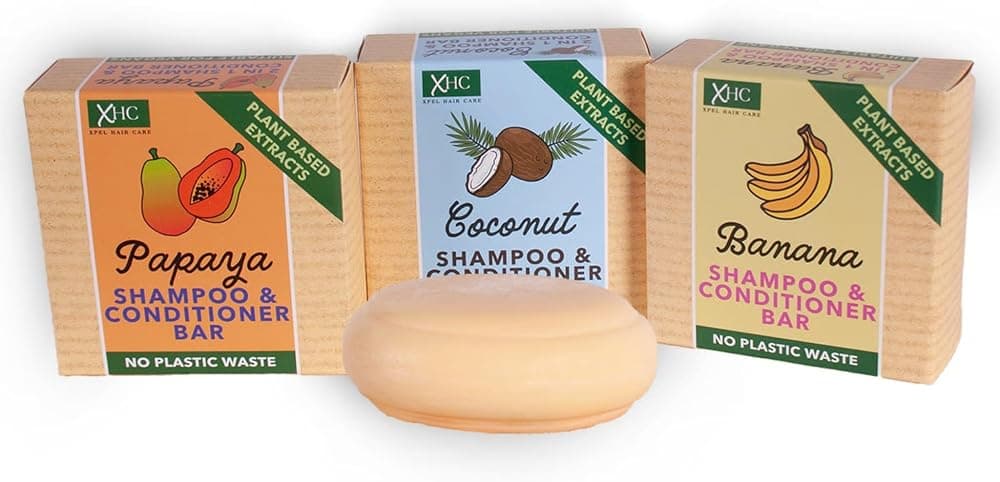
The XHC 2-in-1 Shampoo & Conditioner Bars come in a plastic-free solid format that helps reduce plastic waste compared with bottled haircare. They're vegan friendly, each bar is 70g, and they come in Coconut, Banana and Papaya scents. Here's how the two pack sizes compared when we last checked in September 2026:
| Pack | Scents | Price | Price per bar |
|---|---|---|---|
| 3 pack | Coconut, Banana, Papaya | £12.99 | £4.33 |
| 6 pack | Two of each scent | £17.99 | £3.00 |
Getting the most from a bar
- Wet your hair thoroughly, then rub the bar between your hands or glide it over your hair a few times.
- Work the lather through from roots to ends, then rinse well.
- Store the bar on a draining dish away from the shower spray so it dries out between washes.
Our full guide on how to use a shampoo bar covers the details, including how to store a bar so it lasts.
Swap 2: bar soap for hand wash and shower gel
A bar of soap does the same job as a pump bottle of hand wash, and many bars are sold in card or paper wrapping. The only trick is keeping it dry: a draining soap dish stops it sitting in a puddle and going soft, which also helps it last longer.
For the shower, a body bar works just as well as shower gel. If several people share the bathroom, a plain, unscented bar keeps things simple for everyone.
Swap 3: a bamboo or replaceable-head toothbrush
Toothbrushes add up quickly. The NHS recommends a new one every three months, which means four brushes per person every year. There are a few lower-plastic options:
- Bamboo handles. The handle is plant-based, but the bristles are usually nylon. Pull them out with pliers before disposing of the handle, and check your council's guidance on where it should go.
- Replaceable-head manual brushes. You keep the handle and swap only the head.
- Electric toothbrushes already use replaceable heads. Look for recycling schemes for used heads where you can.
Whatever you choose, don't stretch a brush's life to save waste. Worn, splayed bristles don't clean as well, and our guide on when to replace your toothbrush explains the signs.
Swap 4: reusable pads, cloths and flannels
Disposable make-up wipes and cotton pads are an easy target. Don't flush wet wipes: most don't break down like toilet paper and can block pipes and drains.
- Reusable cotton or bamboo pads for removing make-up or applying toner. Wash them in a mesh laundry bag so they don't get lost.
- A flannel instead of face wipes. Keep a small stack so there's always a clean one.
- Paper-stem cotton buds. Plastic-stemmed cotton buds have been banned from sale in England since 2020, so paper stems are now the norm.
Swap 5: razors, deodorant and refills
These take a little more adjustment, so tackle them once the easy wins are done.
Razors
A metal safety razor uses replaceable blades instead of disposable plastic razors. There's a small learning curve: use a light touch, keep the angle shallow and use plenty of lather. Store used blades in a sealed tin and dispose of them safely.
Deodorant
Solid deodorants in cardboard tubes are easy to find. Try a small one first to see if it suits you, and read the label: many plastic-free deodorants are deodorants only, not antiperspirants.
Refills
For the products you can't swap, such as a family-sized hand wash, a large refill pouch or a local refill shop cuts down on single-use bottles.
What about toothpaste?
This is where we'd urge a little caution. Toothpaste tablets and jars exist, but not all of them contain fluoride, and the NHS recommends fluoride toothpaste because it helps prevent tooth decay. The NHS advises adults to use a toothpaste containing 1,350 to 1,500ppm fluoride, with age-appropriate levels for children. If you try an alternative, check its fluoride content first, and for children, stick with a fluoride toothpaste that meets NHS guidance. Our guide on what fluoride does for teeth explains why it matters.
For most families, the sensible middle path is to keep using a fluoride toothpaste you trust and focus your plastic-free efforts elsewhere in the bathroom. Some toothpaste tubes can now be recycled, so check the packaging and your council's rules.
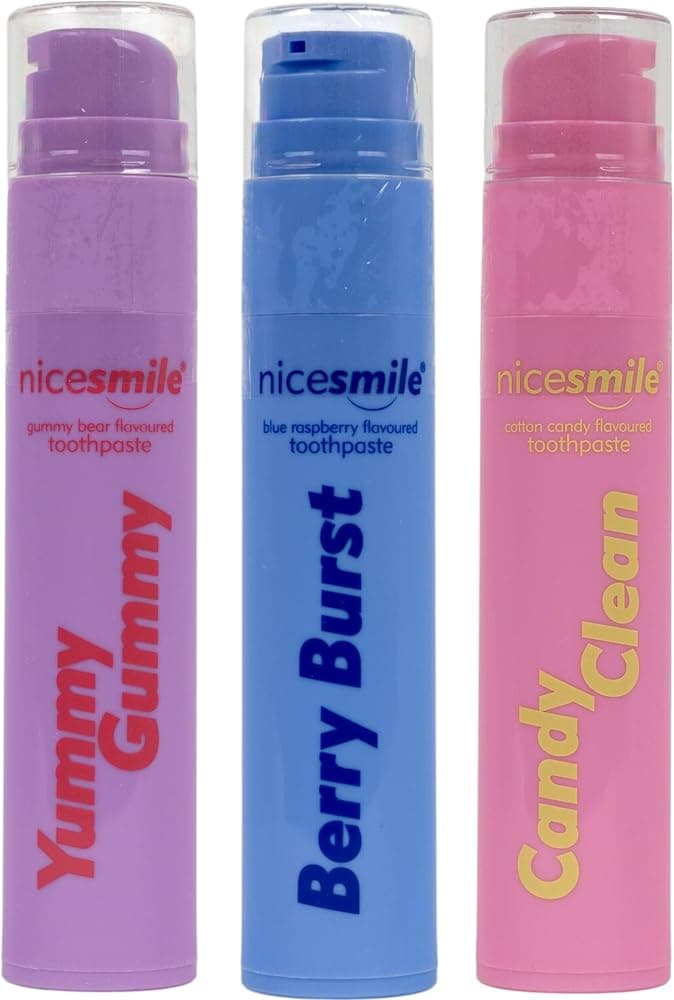
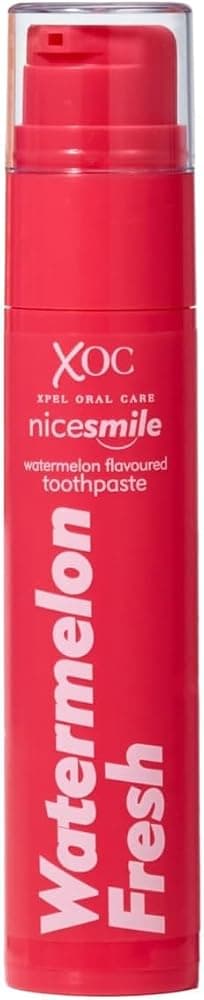
If vegan and cruelty-free products matter to you, every Nice Smile flavour in our toothpaste collection is vegan, cruelty-free and enamel-safe, with fluoride. As always, check the pack for the fluoride level.
Your plastic free bathroom plan
You don't need to overhaul your bathroom in a weekend. Use up what you have, then swap as things run out, starting with the easiest changes: shampoo bars and bar soap. Move on to toothbrushes, pads and cotton buds, then try the trickier swaps once the habit has stuck. Keep fluoride toothpaste in your routine throughout.
At PoundMart, our solid haircare bars are an easy, good-value place to start. Browse our haircare collection to see the full range.
Frequently asked questions
What is the easiest plastic free bathroom swap?
Shampoo and conditioner bars are usually the easiest swap to start with. They work much like liquid shampoo, take up less space and replace plastic bottles straight away. A 2-in-1 bar replaces two bottles at once.
Are shampoo bars better for the environment?
Solid bars avoid the plastic bottle that liquid shampoo usually comes in, which reduces plastic waste in your bathroom. They're also compact and light. To get the most from one, keep it dry between uses so it lasts as long as possible.
Is plastic-free toothpaste as good as regular toothpaste?
It depends on the product. The most important thing is fluoride, which the NHS recommends because it helps prevent tooth decay. If a plastic-free toothpaste contains fluoride at the level recommended for your age, it can do the same job; if it doesn't, stick with a fluoride toothpaste.
Can bamboo toothbrushes be composted?
The bamboo handle is plant-based, but the bristles are usually nylon and need to be removed first. Pull them out with pliers and put them in general waste, then check your local council's guidance for the handle. Remember to replace your toothbrush every three months, as the NHS recommends.