
The back to school toiletries that matter most are the ones that make mornings smoother: a toothbrush and fluoride toothpaste your child is happy to use, a hairbrush and hair ties, deodorant for older children, and a small toiletries kit for the PE bag. Add a spare toothbrush, a supply of their favourite toothpaste and a wash bag ready for school trips, and you're covered for the whole autumn term.
Whether your school went back in mid-August in Scotland or goes back in early September in England, Wales and Northern Ireland, this checklist covers home, school bag and PE kit, with NHS-based brushing tips and ideas for stocking up without overspending.
Back to school toiletries checklist at a glance
| Item | At home | In the school or PE bag |
|---|---|---|
| Toothbrush and fluoride toothpaste | Yes, plus a spare brush | Only for trips, or if breakfast club asks |
| Hairbrush or comb and hair ties | Yes | A small brush and spare ties |
| Leave-in conditioner (curly or afro hair) | Yes | Not usually needed |
| Deodorant (older children) | Yes | Check what the school allows |
| Tissues | Yes | A small pack |
| Lip balm and hand cream | Yes | Handy in winter |
| Period products (older children) | Yes | A discreet pouch |
| Wash bag for trips | Packed and ready | For residentials and sleepovers |
Label anything that goes to school. Lost property boxes are full of unnamed hairbrushes.
The school-day brushing routine, the NHS way
Busy mornings are exactly when brushing gets rushed. The NHS guidance is simple:
- Brush twice a day for about two minutes: last thing at night and at one other time, such as after breakfast.
- Use the right amount of toothpaste. For children under 3, a smear of toothpaste with no less than 1,000ppm fluoride. For children aged 3 to 6, a pea-sized amount with more than 1,000ppm fluoride.
- Spit, don't rinse. Rinsing with water washes away the fluoride that helps protect teeth.
- Help or supervise younger children. The NHS suggests keeping an eye on brushing until around the age of 7.
Our guide to how much toothpaste kids should use goes into more detail by age. Whatever toothpaste you choose, check the fluoride level on the pack against that guidance.
Make brushing the easy part of the morning
Put brushing at the same point in the routine every day (after breakfast, before shoes) so it becomes automatic. A two-minute song or sand timer helps, and letting children choose their own flavour gives them a sense of ownership. If brushing is a daily battle, our tips on how to get kids to brush their teeth are a good place to start.
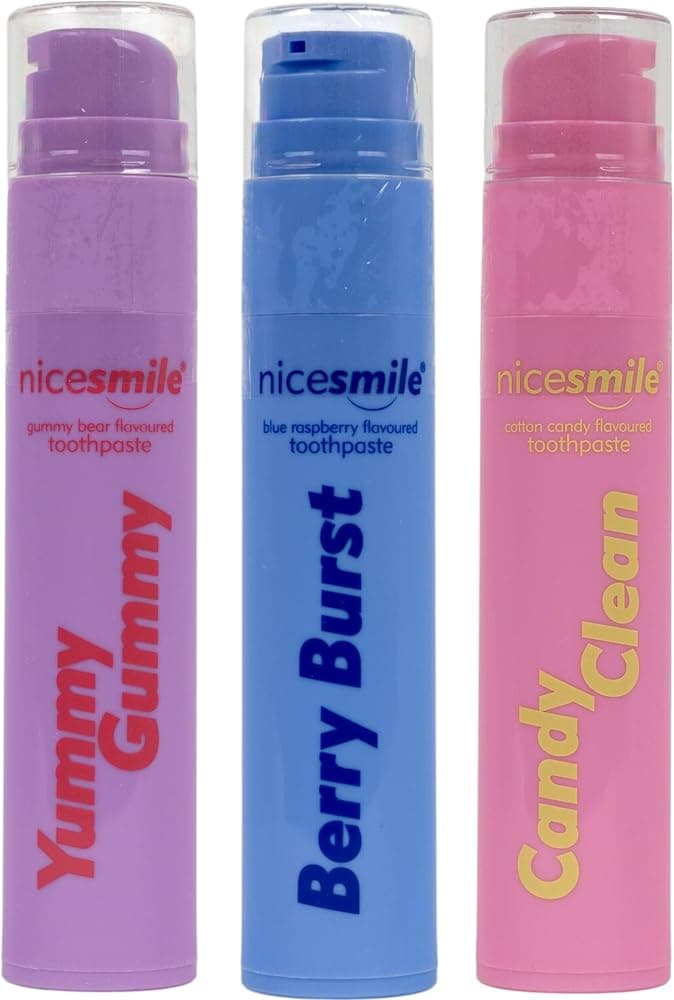
The Nice Smile 3 Pack in Berry Burst, Yummy Gummy and Candy Clean is a fun option if your child prefers fruity flavours to mint. It's a whitening fluoride toothpaste for kids and adults in compact 60g tubes, and it's vegan, cruelty-free and enamel-safe. It was £16.69 when we last checked in September 2026, and three flavours to rotate can help keep brushing interesting through the term.
Hair: calmer mornings, fewer tangles
Hair is often the slowest part of the school run. A few habits help:
- Brush or detangle the night before so mornings are just a quick tidy.
- Set up a hair station with brushes, ties and clips in one basket by the mirror.
- Buy hair ties in bulk. They vanish at a remarkable rate.
- Try plaits and buns on PE days, as they tend to stay neater for longer.
For curly and afro hair
Curly and afro hair tends to be drier and more prone to tangling, so many families use a leave-in conditioner to keep it soft and manageable between wash days. Our guide to leave-in conditioner for curly hair explains how much to use and how to apply it.
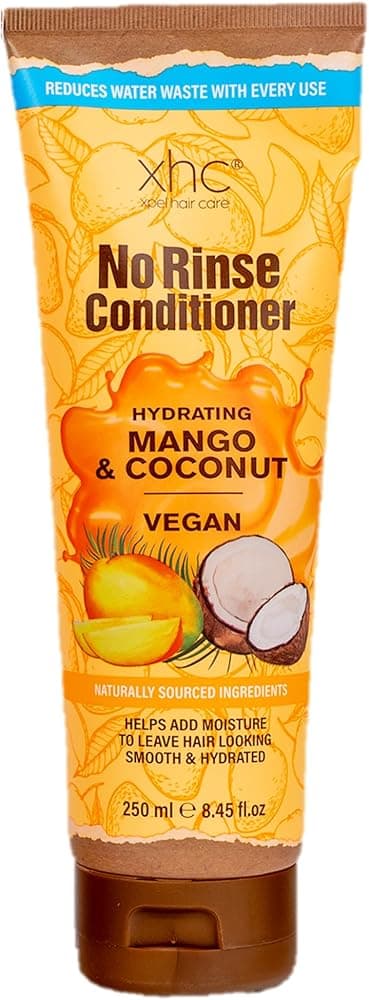
The XHC Vegan No Rinse Conditioner is a 250ml leave-in made for curly, afro and dry or damaged hair. It's lightweight, sulphate-free, vegan and cruelty-free, infused with argan, avocado and olive oils, and comes in Mango & Coconut, Dragon Fruit & Vanilla or Cherry & Almond. When we last checked in September 2026, it was £7.99 or £8.99 depending on the scent. If your child has sensitive skin, read the ingredients list before you use it.
Head lice checks
Head lice are very common in young children and nothing to be embarrassed about. The NHS describes a method called wet combing: wash the hair with ordinary shampoo, apply plenty of conditioner, then comb through from roots to ends with a fine-toothed detection comb. A check at the start of term catches them early, and a pharmacist can advise on treatment if you find any.
PE bag and changing room essentials
Older primary and secondary pupils usually need a small toiletries kit for PE:
- Deodorant. Some schools prefer roll-ons or sticks to aerosols in changing rooms, so check the school's policy.
- A small towel if showers are used after PE.
- A hairbrush and spare hair ties.
- A flannel or face wipes for a quick freshen-up.
- Period products in a discreet pouch.
Keep everything in a zip pouch inside the PE bag so it travels with the kit.
School trips and residentials
Many schools run residential trips, from a night at an outdoor centre to a week away in Year 6. The kit list from school always comes first, but a typical wash bag includes:
- A toothbrush with a travel cover and a compact tube of toothpaste
- Shampoo and shower gel in small bottles
- A hairbrush, hair ties and a leave-in conditioner for curly hair
- Deodorant and any suncream the school allows
- A flannel and a small towel
- Any medicines, handed to staff in the way the school asks
Label every item, including the toothbrush. A compact 60g toothpaste tube fits easily in a small wash bag.
Stocking up for term without overspending
Toiletries are a small, steady cost that adds up across a family. Buying for the whole term in one go can help:
- Buy multipacks of the things you use most, like toothpaste, so you're not paying single-item prices halfway through term.
- Compare the price per item, not just the price on the pack.
- Keep a spare toothbrush for each child ready for the NHS-recommended swap every three months.
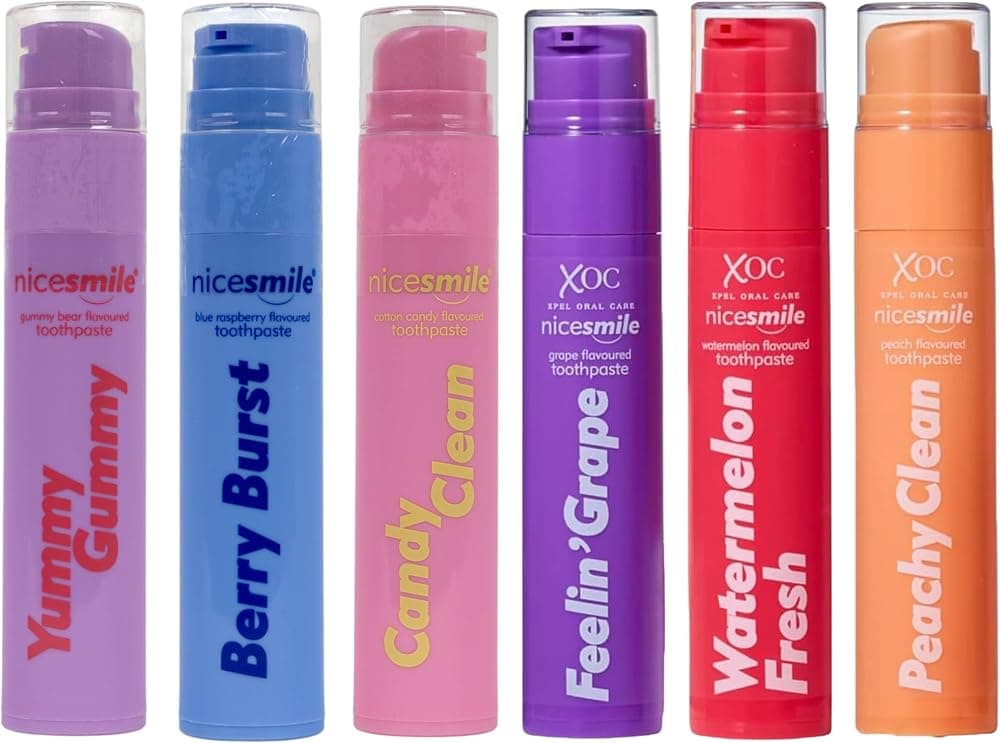
Here's how the price per tube changes with pack size across the Nice Smile range, using prices from when we last checked in September 2026:
| Nice Smile pack | Contents | Price | Price per 60g tube |
|---|---|---|---|
| 3 Pack: Berry Burst, Yummy Gummy & Candy Clean | 3 tubes | £16.69 | £5.56 |
| 6 Pack: Berry, Gummy & Candy | 6 tubes | £19.99 | £3.33 |
| 12 Pack: Watermelon, Grape & Peach | 12 tubes | £24.95 | £2.08 |
If your family gets through a lot of toothpaste, a bigger bundle can bring the cost per tube right down. You'll find them all in our toothpaste collection.
Ready for the new term
A smooth start to term comes down to a few well-stocked basics: a brushing routine that follows NHS guidance, a toothpaste your child actually likes, a simple hair plan and a PE pouch that gets restocked every week. Sort those before the first day and school mornings get noticeably calmer.
At PoundMart, we bundle family essentials into good-value multipacks so you can stock up once and get on with the term. Browse our value bundles for more ways to save.
Frequently asked questions
What toiletries does my child need for school?
At home, your child needs a toothbrush, a fluoride toothpaste suitable for their age, a hairbrush and hair ties, and, for older children, deodorant and period products. For school, a small PE pouch with deodorant (if allowed), a hairbrush and spare ties is usually enough. Always check the school's own kit list, especially for trips.
How much toothpaste should a child use?
The NHS recommends a smear of toothpaste with no less than 1,000ppm fluoride for children under 3, and a pea-sized amount with more than 1,000ppm fluoride for children aged 3 to 6. Children should spit out the toothpaste after brushing rather than rinsing. Check the fluoride level printed on the pack.
Can children take deodorant to school?
Usually, yes, and older children often need it after PE, but policies differ. Some schools prefer roll-ons or sticks to aerosols in changing rooms, so check your school's rules before packing one.
How often should I replace my child's toothbrush?
The NHS recommends replacing toothbrushes every three months, or sooner if the bristles become worn or splayed. Children can chew or press hard on their brushes, so check them regularly. Keeping a spare in the cupboard makes the swap easy.