
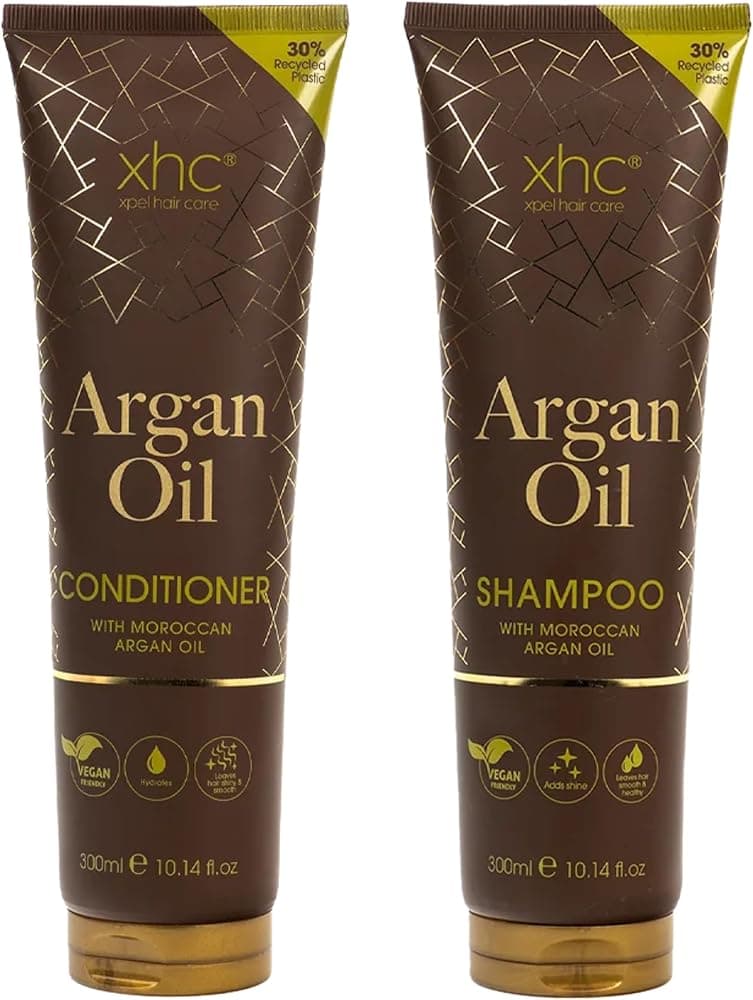
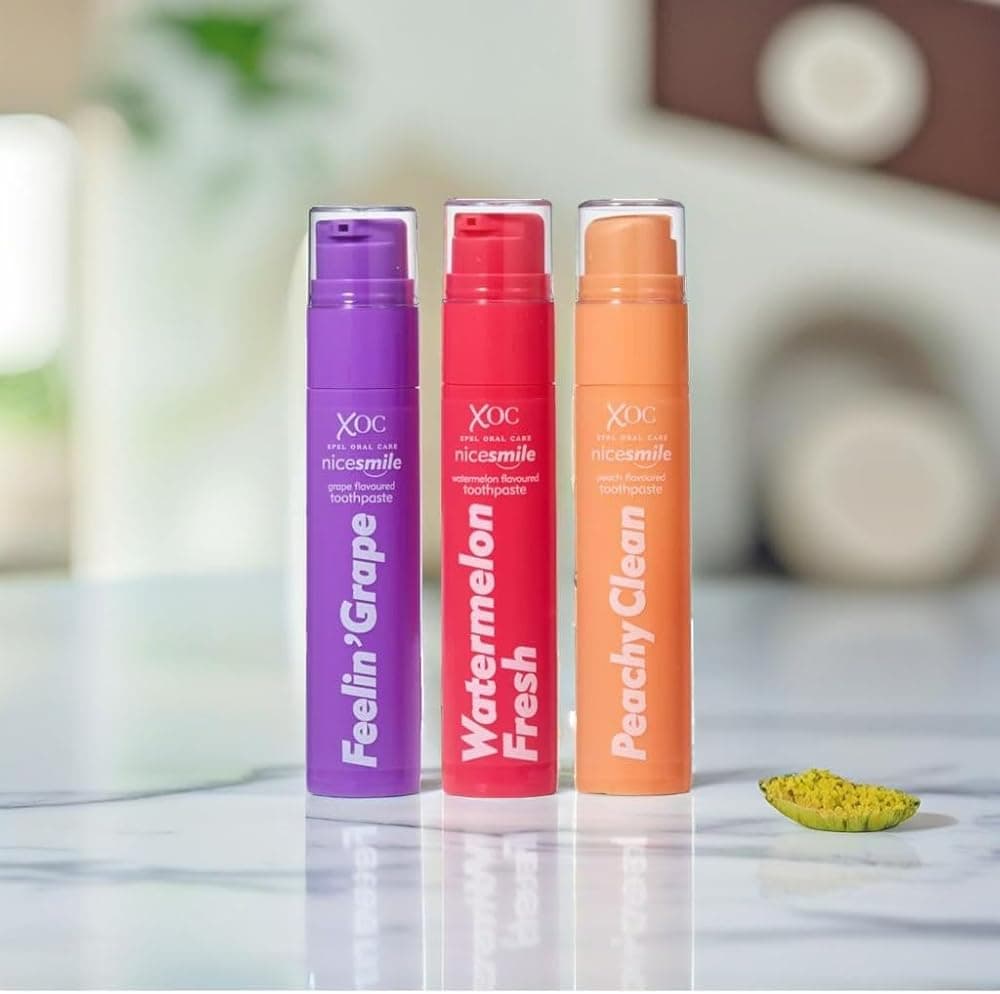
Dispatched by Amazon vs fulfilled by Amazon is one of those bits of Amazon small print that looks like it should change your decision, but mostly it doesn't. The short answer: if a listing says 'sold by' a named brand and 'dispatched by Amazon', Amazon is handling the storage, packing, delivery and tracking on that seller's behalf, which means you get Amazon's usual delivery options, Prime eligibility where it applies, and Amazon's own returns process. It's a logistics detail, not a verdict on whether the product itself is any good or good value.
For budget-conscious shoppers stocking up on everyday things like toothpaste and shampoo, that distinction is worth understanding properly, because it answers some real worries: will this turn up on time, can I actually send it back if it's wrong, and am I buying from someone who'll vanish if there's a problem. Here's what the terms mean, where they help you, and where they don't tell you anything at all.
Dispatched by Amazon vs fulfilled by Amazon: what's the real difference
On Amazon UK you'll generally come across a few patterns on a product page:
- Sold by Amazon.co.uk, dispatched by Amazon. Amazon is both the seller and the delivery service.
- Sold by a named brand or seller, fulfilled by Amazon (often shown as dispatched by Amazon). The seller owns the stock and sets the listing, but that stock sits in Amazon's warehouses, and Amazon picks it, packs it and ships it. Because Amazon is doing the physical dispatch, it carries the same delivery promises, tracking and returns process as anything else moving through Amazon's network.
- Sold and dispatched by a third-party seller directly. The seller packs and ships the order themselves, through their own courier, with their own delivery timescales and returns address.
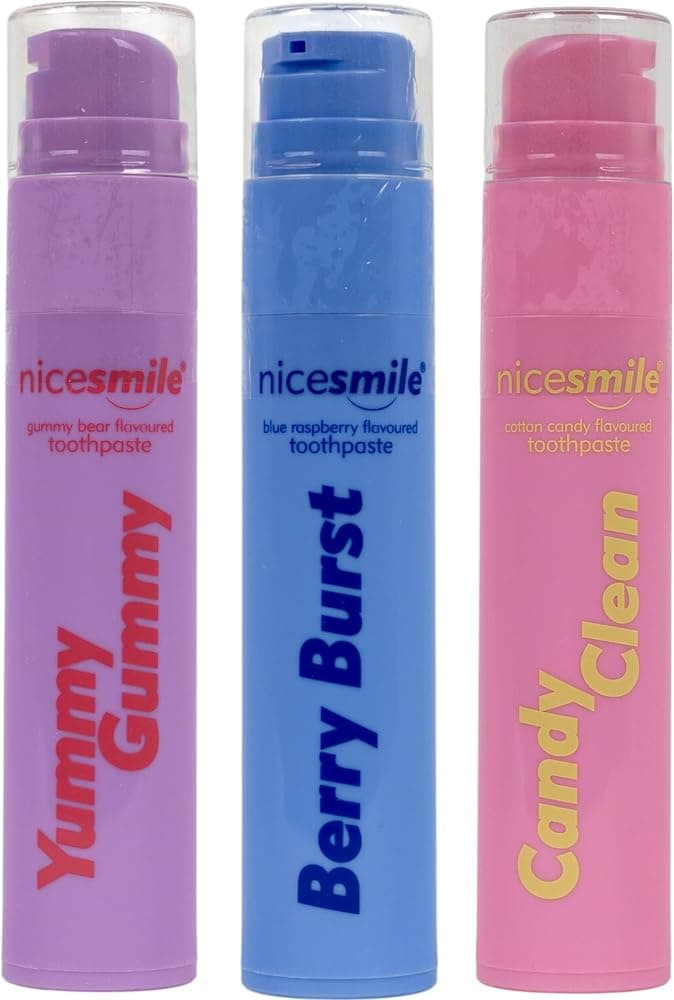
This is where PoundMart sits: products are sold by PoundMart and dispatched by Amazon. In practice that means Amazon shows you the delivery options and estimated dates at checkout, Amazon's tracking shows where your order is, and if something needs sending back, it goes through Amazon's standard returns process within 30 days, the same as it would for anything else bought that way. You're not managing a separate relationship with a small seller's warehouse. You're buying on Amazon, in the normal way.
Why the distinction actually helps a budget shopper
The appeal isn't that this arrangement makes anything cheaper. It's that it removes a layer of uncertainty that otherwise sits on top of every third-party purchase.
- Consistent delivery and tracking. You don't need to learn a new courier's habits for every small brand you try. Amazon's dispatch and tracking work the same way regardless of whose name is on the bundle.
- One returns process to learn, not dozens. If a tube arrives damaged or you've simply changed your mind, you go through Amazon's returns process rather than hunting for a separate address or waiting on email replies from an unfamiliar seller.
- Lower risk of a seller disappearing on you. Because the stock has already reached Amazon's network, dispatch and tracking aren't dependent on one small seller staying responsive that week.
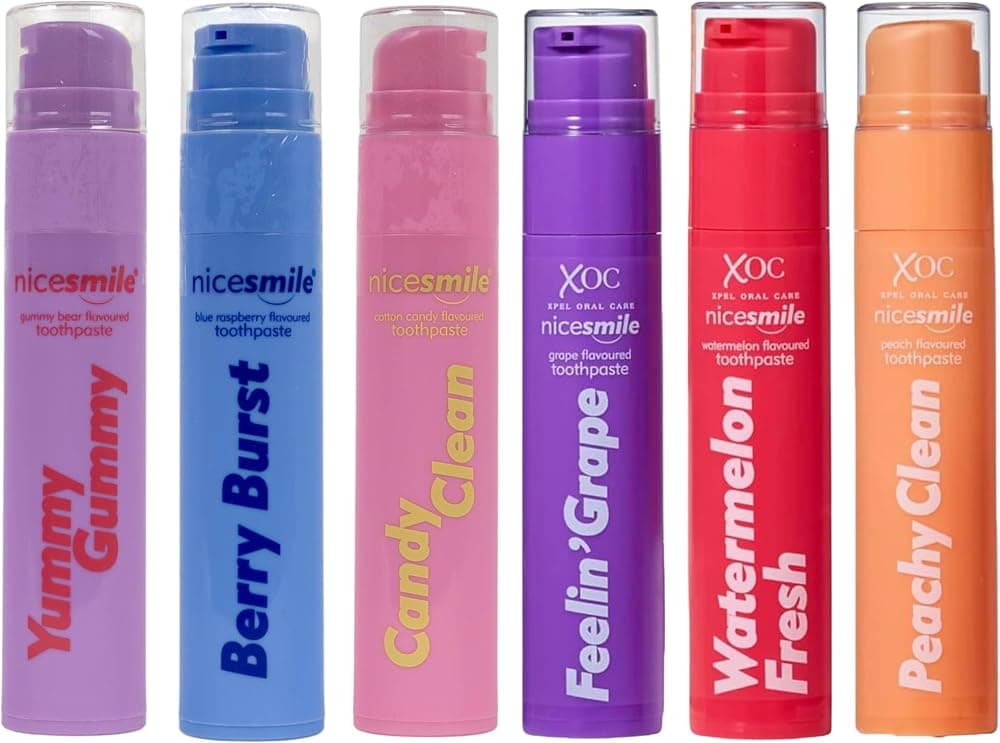
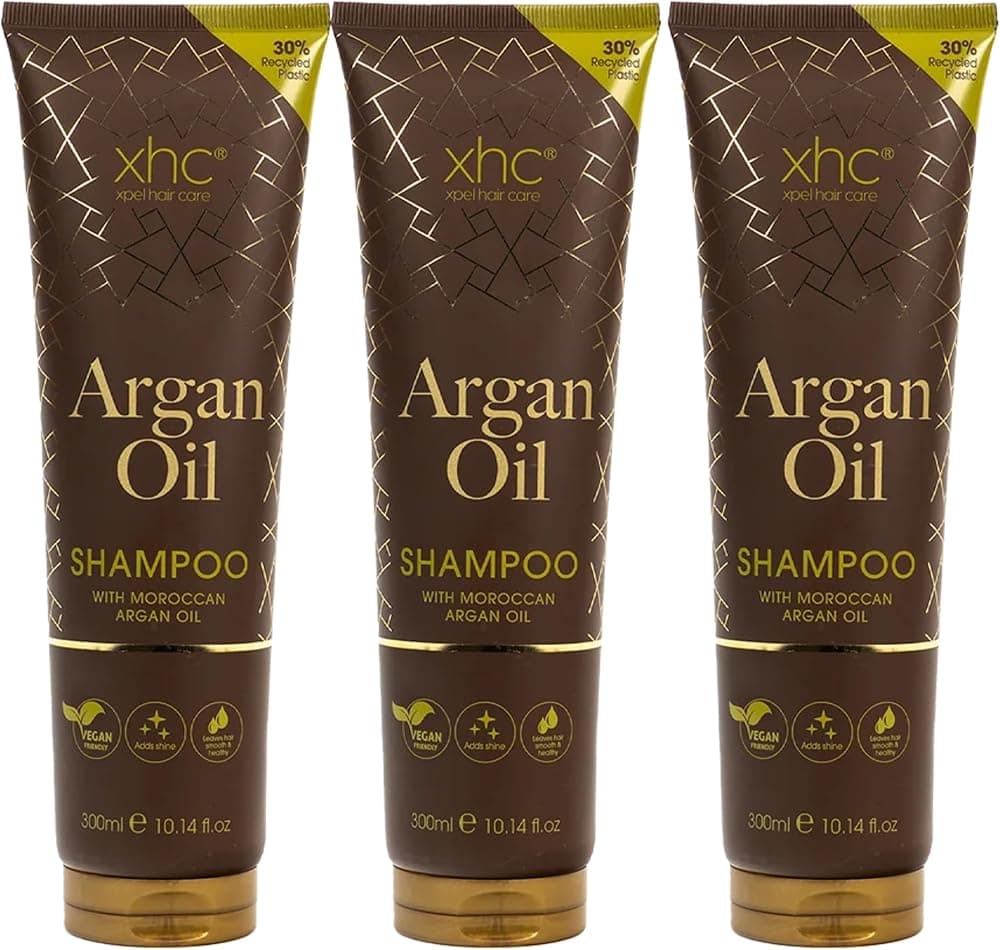
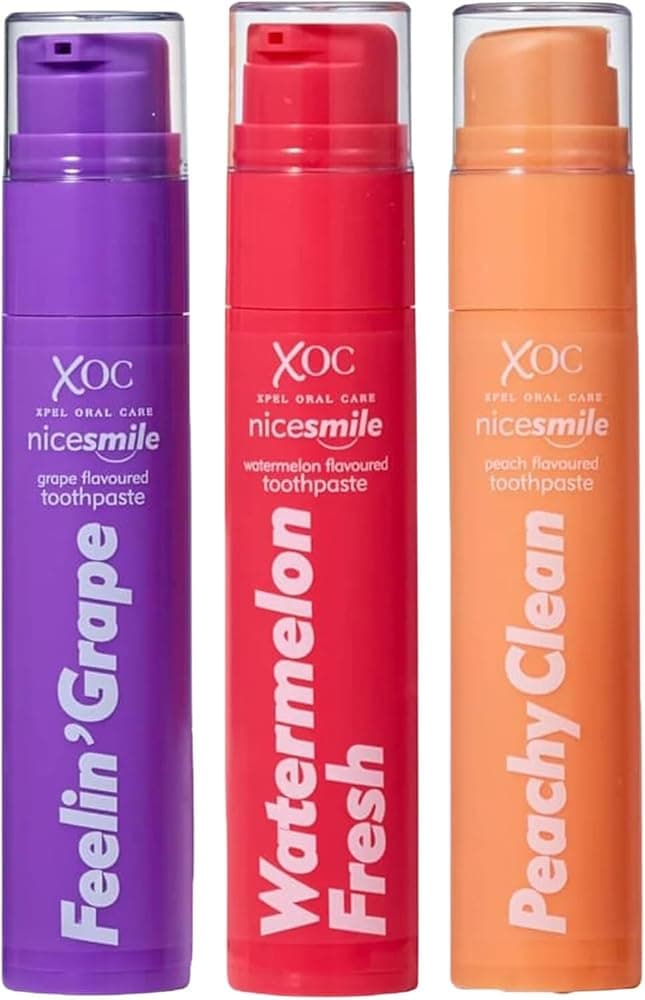
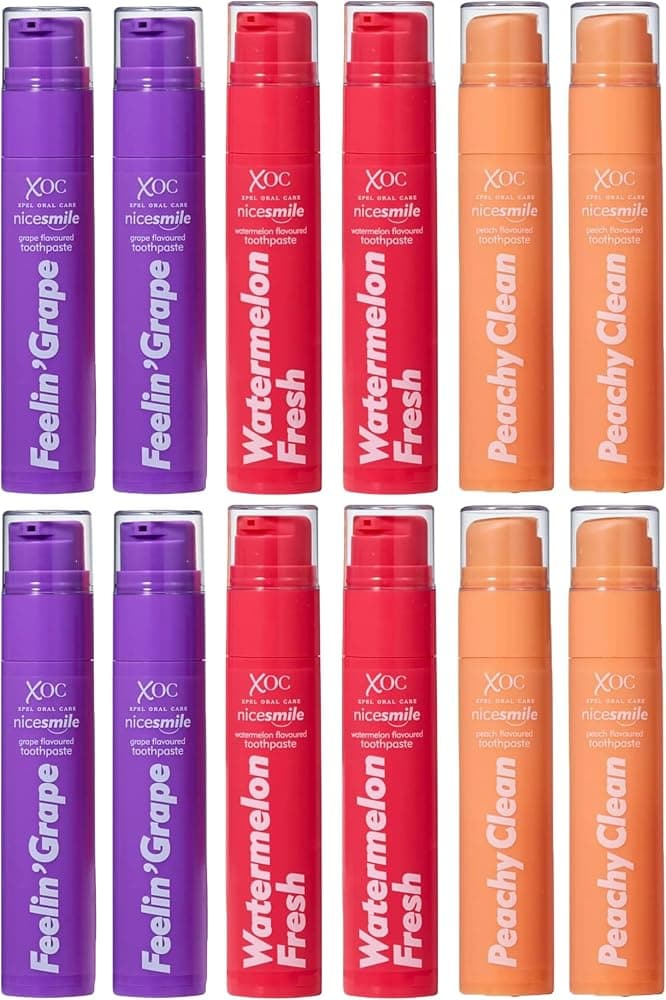
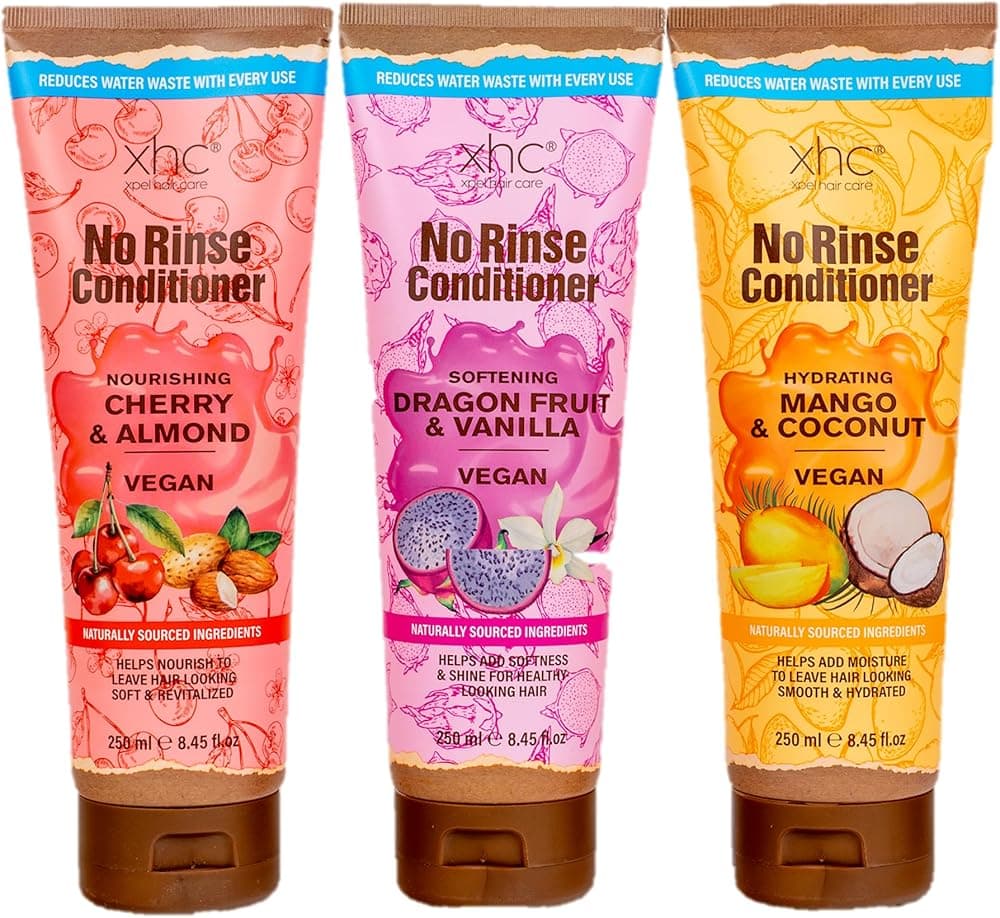
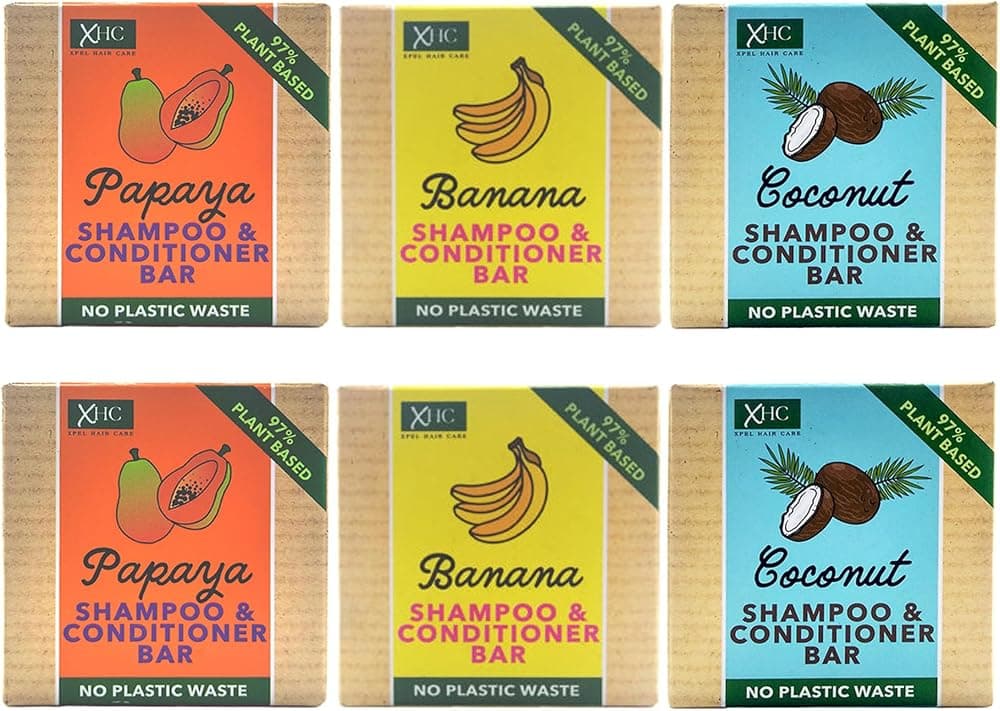
This matters more than it sounds for anyone buying in bulk. If you're the kind of household ordering a 12-pack of toothpaste or a 6-bottle shampoo stock-up to avoid running out, you want to know the order will turn up reliably and that sending back a faulty item won't be a fight. That's the genuine, practical benefit here, and it's worth more to a budget shopper than it looks on paper.
What dispatched by Amazon does not tell you
It's worth being honest about the limits, because this is where people sometimes assume more than the label is actually promising.
- It says nothing about whether the stock is genuine. Dispatch method and product authenticity are two separate questions. Always check whether a seller states clearly that products are genuine branded stock rather than grey-market or unofficial imports. PoundMart's own bundles are packaged and quality-checked by PoundMart, using genuine branded stock, which you can read about on the about PoundMart page.
- It doesn't guarantee the lowest price. Bigger bundles tend to cost less per item, but you still need to check the actual unit price on the day, since prices on Amazon move. Don't assume 'dispatched by Amazon' equals 'best value'; that's a separate calculation.
- It doesn't remove the need to check stock size and use-by dates. A bundle can be excellent value and still be the wrong size for your household if it sits in the cupboard unused for a year.
If you want a fuller grounding in spotting genuine bargains versus padded multipacks, how to read unit prices and spot the real bargain and are multipacks cheaper? An honest answer, with the maths both go into the sums properly.
Buying essentials in bulk without creating waste
The whole point of bundle buying is to stop running out on a Tuesday night, not to end up with a cupboard full of things past their best. A few habits keep that in check:
- Match bundle size to how many people actually use the product, and how often. A family of four brushing twice a day gets through toothpaste at a predictable rate; a household of one does not need the 12-pack just because the per-tube price looks better.
- Check shelf life before you commit to a large pack. Toothpaste and toiletries last a long time, but it's still worth knowing the real numbers rather than guessing. See does toothpaste expire? and how long does a tube of toothpaste last? for the practical detail.
- Think in cost per use, not cost per pack. A larger bundle that sits unused for months isn't actually saving you anything.
- Keep one spare in reserve, not a shelf full. The aim is to never be caught short, not to stockpile.
For anyone setting a monthly toiletries budget for a household, how to set a family toiletries budget that actually works and how to save money on toiletries: 12 tips that add up are worth reading alongside this.
Who this buying approach actually suits
Buying bundles that are sold by a smaller brand and dispatched by Amazon suits people who want the reliability of ordering through a platform they already trust, without paying over the odds for single items bought one at a time. That tends to be parents trying to keep a family routine stocked without a weekly top-up shop, students setting up a bathroom on a tight budget, and anyone with a regular routine, whether that's a family brushing habit or a hair care routine for curly or afro hair that needs the same products restocked on schedule.
It suits these shoppers less well if your needs change often, for example if you're testing several flavours or formulas before settling on a favourite. In that case, a single item or twin pack makes more sense than committing to a 12-pack straight away. The shop page lets you filter by pack size and compare price per tube or per bottle across the full range, so you can see where the saving genuinely kicks in before you commit to a larger bundle.
Common mistakes to avoid
- Assuming 'dispatched by Amazon' means 'cheapest option'. It's a delivery and returns guarantee, not a price guarantee. Always check the current price and pack size.
- Buying the biggest bundle without checking who'll use it. A 12-pack of toothpaste makes sense for a big family; it doesn't make sense for one person who brushes alone.
- Ignoring the returns window. You have 30 days through Amazon's standard process, so check anything that's arrived before that window closes, particularly with bundles you've bought to last several months.
- Overlooking the small print on authenticity. If a deal looks unusually cheap for genuine branded stock, it's worth a second look at who the seller is and what they claim about their sourcing.
If you've got questions about ordering, delivery timings, returns or what's actually in a bundle, the FAQ page covers the common ones, and you're always welcome to get in touch if yours isn't answered there.
Frequently asked questions
Does dispatched by Amazon mean I get Prime delivery?
Prime eligibility is shown by Amazon at checkout and depends on the specific listing and your account, so check the listing itself rather than assuming. Dispatch by Amazon generally means the item moves through Amazon's standard delivery network with tracking, whether or not it carries a Prime badge.
Is dispatched by Amazon the same as sold by Amazon?
No. 'Sold by' tells you who owns the listing and the stock; a brand can be the seller while Amazon handles the physical dispatch. 'Dispatched by Amazon' tells you who's actually picking, packing and shipping the parcel, and whose delivery and tracking systems apply.
How do returns work if a product is dispatched by Amazon?
Items dispatched by Amazon go through Amazon's standard returns process, with a 30 day window from delivery. You'll find the return option in Your Orders on Amazon, where you can select the reason and get instructions for sending it back.
Does buying a bigger bundle always save money?
Usually a larger multipack costs less per item than buying single units, but it's still worth checking the live price per tube or per bottle before buying, since prices can change. If a bundle is far bigger than you'll realistically get through before it's needed again, it's not actually a saving.
How can I tell if toiletries sold on Amazon are genuine rather than grey-market?
Look for sellers who state clearly that their stock is genuine branded product, not an unofficial import. PoundMart's bundles are packaged and quality-checked, using genuine branded stock with no knockoffs, which is covered in more detail on the about page.