

If you want to know how to stop frizz in humid weather, the short answer is this: change what goes on the hair while it's still wet, not what you do to it once it's already frizzed up. Humidity makes hair swell and the outer layer of each strand lift slightly, so moisture gets in unevenly and strands separate into that familiar halo by mid-morning. The fix is to seal the hair with a conditioner that actually coats the strand, then lock that in with a leave-in product before the hair dries. None of this needs to be complicated or expensive, even with two or three children going through conditioner at different rates.
For parents, the real challenge isn't understanding frizz, it's fitting a decent routine around bedtime brushing battles, a toddler who won't sit still, and school mornings that start late no matter how early the alarm goes off. A frizz routine that works doesn't need extra steps most days. It needs the right products used consistently, and a plan for the day or two a year it really matters, like packing for a family holiday somewhere warm and sticky.
How to stop frizz in humid weather starts with the right conditioner
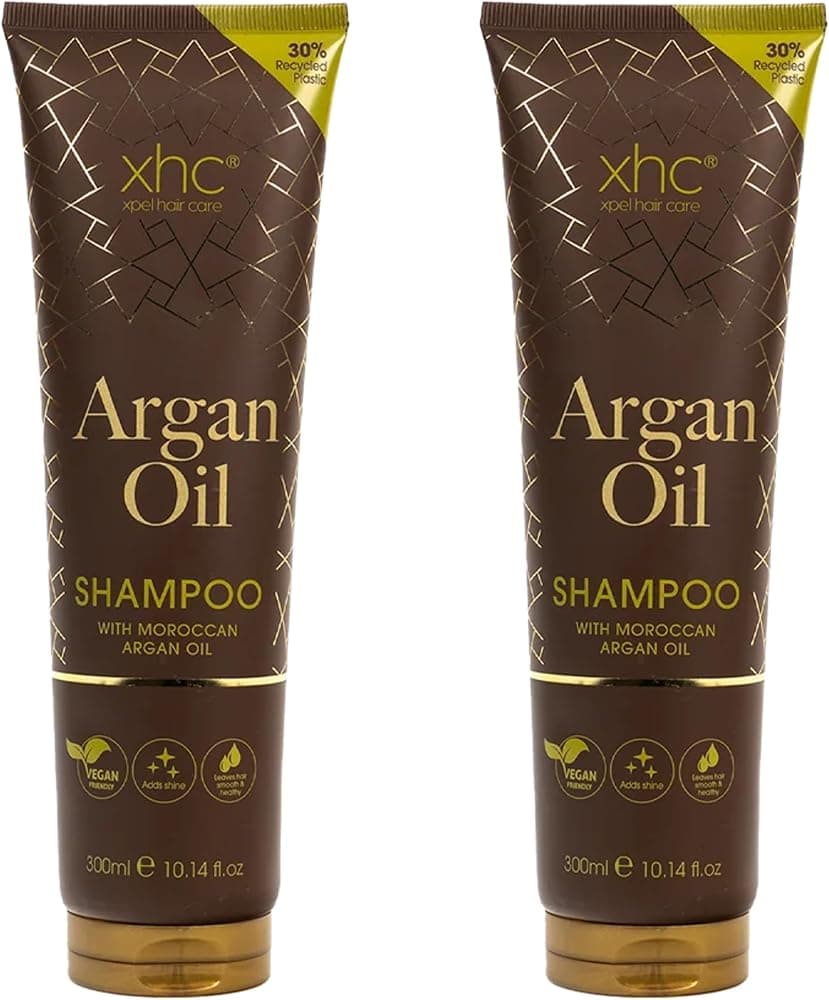
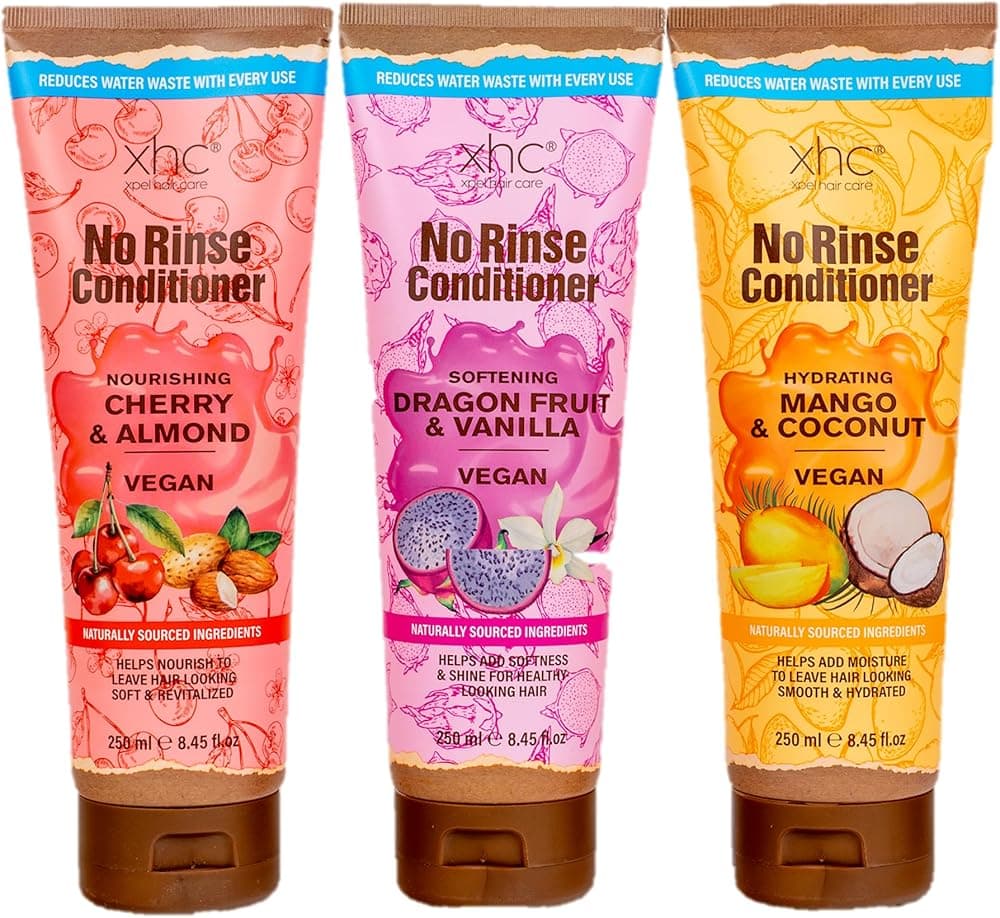
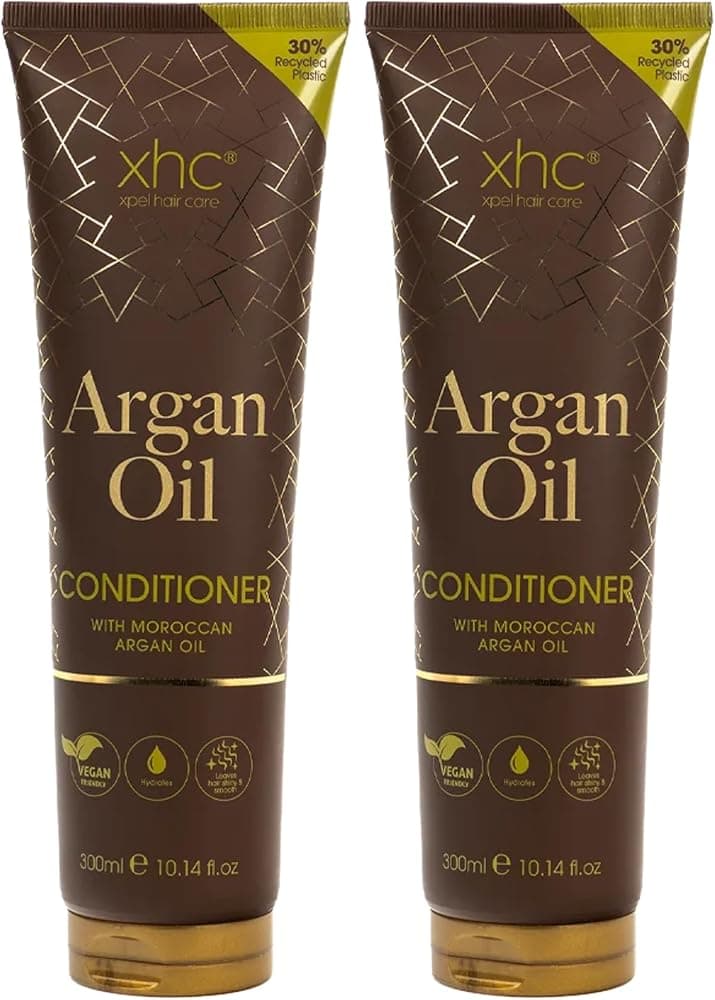
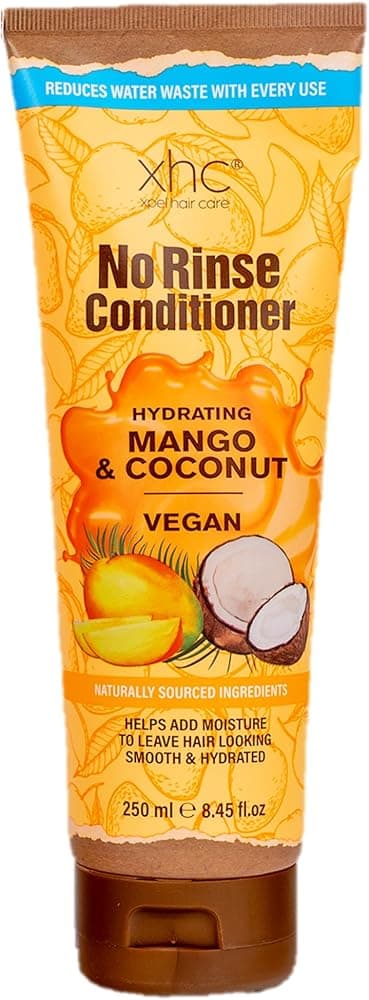
Humidity doesn't create frizz from nothing, it exploits hair that's already a little rough or dry at the surface. Two products do most of the work here. XHC Argan Oil Conditioner is a rinse-out conditioner for soft, smooth hair, left on for a minute or two in the shower and then washed out. It's a sensible base step for most children's hair, especially straight or wavy hair that just gets a bit fluffy in damp weather. For curly, afro hair, or hair that tangles badly, a leave-in conditioner does more of the heavy lifting: XHC No Rinse Conditioner is made to stay in the hair rather than wash out, so it keeps working between the shower and bedtime.
If you're not sure which one your child's hair needs, a reasonable starting point is a rinse-out conditioner for fine or straight hair that just looks a bit frizzy by home time, and a leave-in for anyone with curls, afro hair, or hair that knots badly during brushing. Some households use both: argan oil conditioner in the shower to soften the hair, then a small amount of leave-in on damp hair afterwards to seal it before it dries. You can compare both ranges on the haircare collection page before deciding what suits your child's hair.
A simple weekday routine for school mornings
Frizz control mostly happens the night before, not in the five minutes before the school run. Brushing dry, frizzy hair in the morning tends to make it worse, because dragging a brush or comb through dry strands roughs up the surface further. A routine that actually survives a school morning looks more like this:
- After the evening bath or shower, towel-dry gently rather than rubbing.
- Apply a small amount of leave-in conditioner to damp hair, working from the ends upwards while it's easiest to detangle.
- Brush or comb through while the hair is still damp and coated, not once it's dried.
- Plait or loosely tie hair overnight if it tangles badly, so there's less to deal with in the morning.
- In the morning, a light mist of water or a little more leave-in is usually enough to tame flyaways, rather than starting from scratch.
This is also where a leave-in conditioner earns its keep for tangly hair: a few seconds of detangling the night before can save a bedtime brushing battle that nobody wants to repeat twelve hours later. If mornings are still a struggle, the leave in conditioner benefits for kids' tangly hair post covers technique in more detail.
Packing for a humid family holiday without extra frizz
Humidity is highest exactly where family holidays often happen: by a pool, near the sea, or anywhere warm enough to need air conditioning indoors. Packing the right conditioner matters more on holiday than at home, because hair gets wet more often between the pool, the sea and rinsing off suncream, and it usually dries in the sun rather than with a hairdryer, which tends to leave more frizz behind than usual. A leave-in conditioner is particularly useful here: it can go on straight after a swim without needing a full shower, which is handy when you're trying to get sandy children fed before the evening gets away from you. If you're working out what else belongs in the suitcase, the travel toiletries checklist covers the basics beyond hair care.
Buying full-size bottles just for a week away is wasteful if there's already a bottle at home. A twin pack of argan oil conditioner, for example, means one bottle can live in the bathroom and the other can go straight in the suitcase, so nobody's decanting conditioner into a leaky travel bottle the night before you fly. Check current options on the argan oil conditioner twin pack listing on Amazon.
Common mistakes that make frizz worse
- Brushing dry hair, especially straight after it comes out of a rucksack, a swim hat, or a long car journey with the window down.
- Using more product and hoping it works faster, when a small amount applied evenly on damp hair generally does more than a lot combed through dry hair.
- Skipping conditioner on wavy or straight hair because it 'doesn't need it', when every hair type loses some smoothness to humidity.
- Rubbing hair dry with a towel, which roughs up the surface and invites more frizz as the hair pulls in moisture from the air.
- Changing products every few weeks looking for a quick fix, rather than giving one simple routine a fair couple of weeks to bed in.
Keeping costs down with more than one child
Hair products are one of the easiest places for a family's toiletries bill to creep up, especially once there's more than one head needing conditioner every few days. A bigger pack generally costs less per bottle than buying single bottles one at a time, so if frizz control is becoming a regular part of the routine rather than an occasional fix, it's worth checking pack sizes rather than restocking one bottle at a time. The are multipacks cheaper post walks through the maths, and the family toiletries budget guide is useful if hair care is just one line in a bigger weekly shop.
If you do want to stock up, PoundMart's bundles are sold through Amazon, so the usual Amazon delivery, order tracking and 30 day returns process all apply. If a pack arrives and the fragrance isn't what your household expected, you can get in touch and sort it out, though most families find it easier to try a twin pack first before committing to a bigger bundle.
Frequently asked questions
Does humidity really cause frizz, or is it just my child's hair type?
Both play a part. Humid air makes any hair more prone to frizz because moisture gets absorbed unevenly, but curly and afro hair often shows it more noticeably because of the hair's natural shape, which makes a leave-in conditioner especially useful for those hair types.
Can I use leave-in conditioner on a child's hair every day?
Leave-in conditioners are designed to stay in the hair, so daily use is generally fine for most children. If the hair or scalp starts to look greasy, try using a smaller amount or applying it every other day instead, and speak to a pharmacist if you notice any skin irritation.
Should I use the rinse-out or the leave-in conditioner for my child?
Start with the rinse-out conditioner for straight or wavy hair that just needs smoothing in the shower, and reach for the leave-in for curly or afro hair, or any hair that knots badly during brushing. Many families end up using both at different stages of the routine.
Will a hairdryer or diffuser help more than changing the conditioner?
How the hair is dried does matter, and air-drying or a low heat diffuser tends to leave less frizz than vigorous towel-drying. That said, a change at the conditioner stage usually makes the biggest difference, since it's harder for any drying method to fully make up for hair that wasn't coated and sealed in the first place.
What if my child has a reaction to a hair product?
Stop using the product and speak to a pharmacist or GP if there's any redness, itching or irritation on the scalp or skin. This applies to any hair product, not just conditioners, and it's always worth checking with a health professional rather than guessing.