If you want to know how to check if toothpaste is vegan, the short answer is this: look for the word 'vegan' stated clearly on the box or tube, then scan the ingredients for anything animal-derived such as beeswax, carmine or lanolin. A brand that says 'cruelty-free' isn't automatically vegan, so those two claims need checking separately, not treated as the same thing.
For most UK households this isn't an abstract question. It's a Tuesday-night moment when the toothpaste runs out and someone grabs whatever's in the bathroom cabinet or on the supermarket shelf, with four people sharing one bathroom and little time to read small print. Knowing what to look for in thirty seconds, rather than ten minutes, makes it a lot easier to shop well without overthinking it.
How to check if toothpaste is vegan: what the label needs to show
Start with the front of the pack. Reputable brands that make vegan toothpaste tend to say so plainly, either as a printed word or a recognised certification mark such as the Vegan Society sunflower logo. If there's no claim at all, don't assume: toothpaste has historically used a handful of animal-derived ingredients, so silence on the label usually means it hasn't been checked, not that it's safe to assume.
If you want to go a step further, the ingredients list is where the real answer sits. A few ingredients worth knowing:
- Glycerine can be plant-derived or animal-derived. Vegan formulations use the plant version, but the label rarely tells you which unless the product is marked vegan overall.
- Beeswax turns up in some natural and 'eco' toothpaste as a thickener or binder, and it isn't vegan.
- Carmine (cochineal), used for red colouring, comes from crushed insects and is occasionally found in novelty or coloured toothpaste.
- Lanolin, from sheep's wool, is more common in cosmetics than toothpaste but worth knowing if you're checking a full range from one brand.
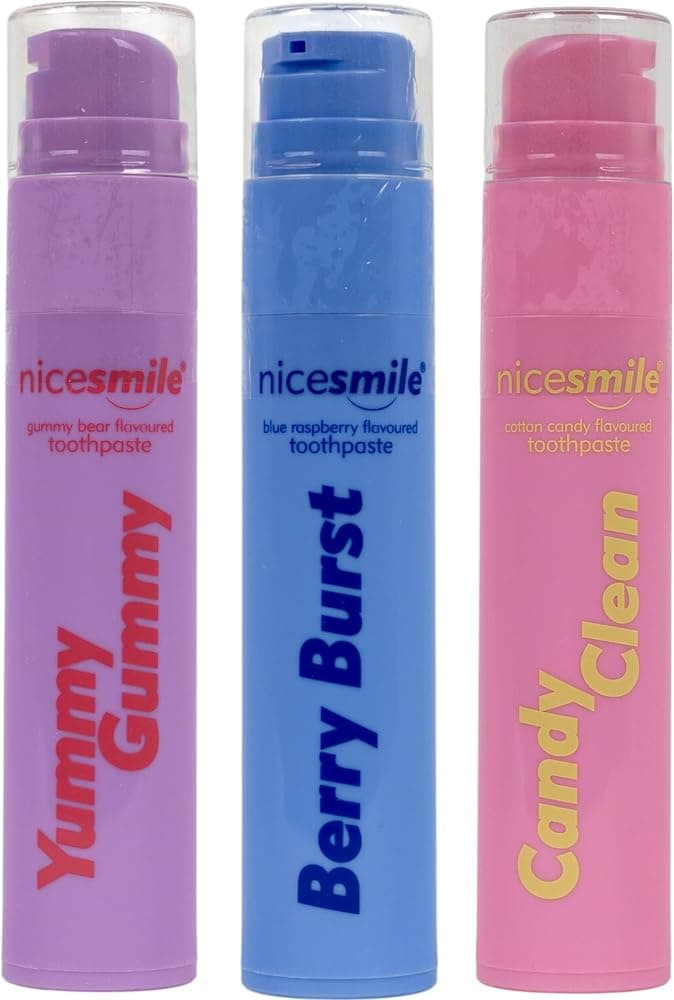
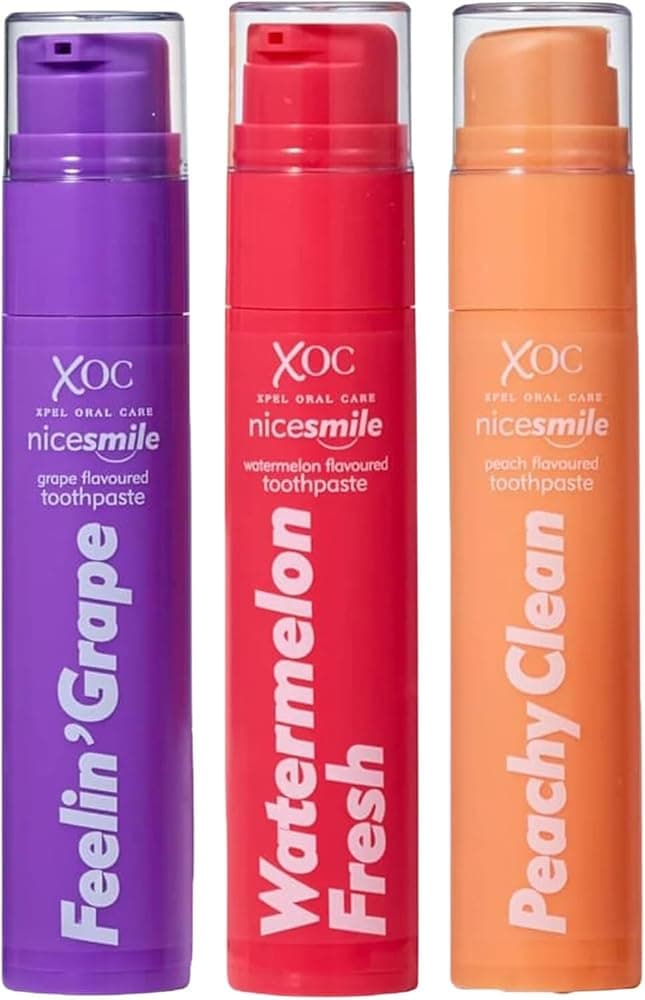
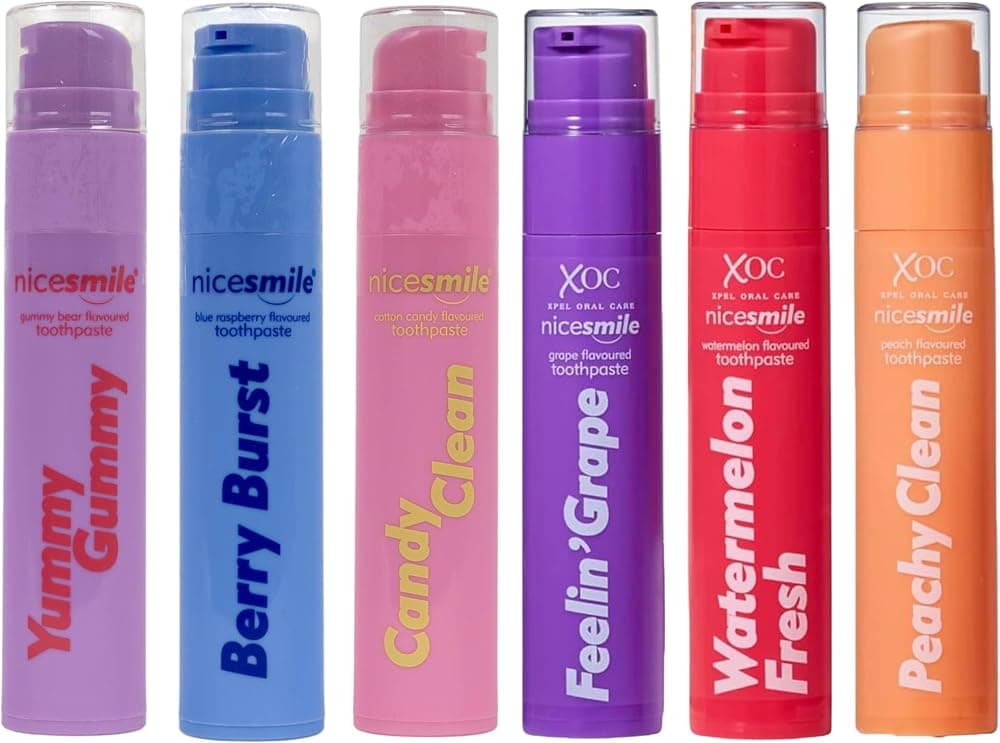
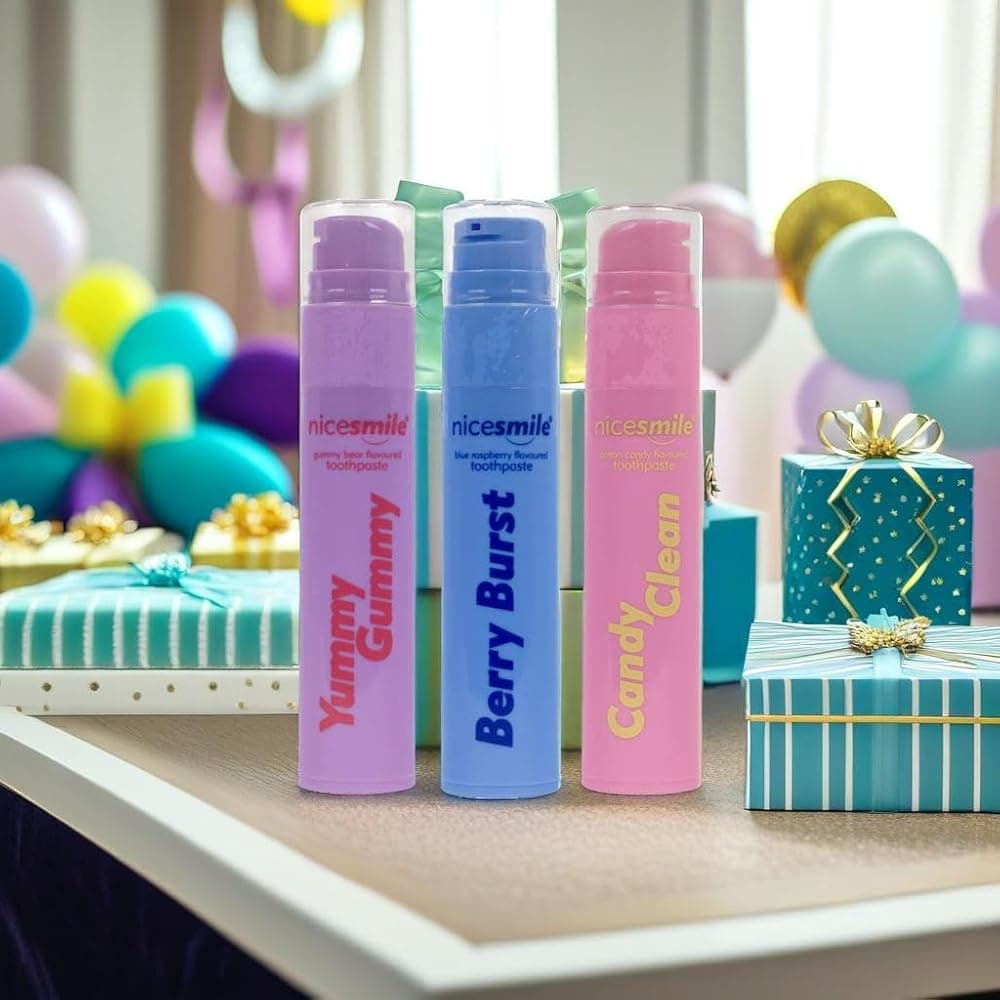
In practice, the quickest reliable route is a toothpaste that states 'vegan' on the pack, backed by a full ingredients list you can check if you want to be thorough. Nice Smile toothpaste, sold by PoundMart, is described on its listings as vegan, cruelty-free and enamel-safe across all six flavours, which covers both checks in one go rather than leaving you to cross-reference ingredients yourself.
Vegan and cruelty-free are not the same claim
This is where a lot of otherwise careful shoppers get caught out. 'Vegan' is about what's in the tube: no animal-derived ingredients. 'Cruelty-free' is about how it was tested: no animal testing, at any stage, by the brand or on its behalf.
A toothpaste can be one without the other. Some brands test on animals in markets where that's still required by law, even if the formula itself contains no animal products, which makes it vegan but not cruelty-free. Others avoid animal testing entirely but still use an animal-derived ingredient like glycerine from beef tallow, making them cruelty-free but not vegan.
If both matter to you, check for both words separately rather than assuming one implies the other. A product described as vegan and cruelty-free, as Nice Smile is, has had both boxes ticked rather than one standing in for the other.
Other claims worth checking on the same pack
Once you've settled the vegan question, a few other label details are worth thirty more seconds, especially in a family bathroom where more than one age group is brushing from the same shelf.
Fluoride level. NHS guidance sets out fluoride amounts by age: children under 3 need just a smear of toothpaste with no less than 1,000ppm fluoride, children aged 3 to 6 need a pea-sized amount with more than 1,000ppm, and adults should use toothpaste with 1,350 to 1,500ppm. This figure is printed on the pack itself, so it's worth checking the tube rather than guessing, particularly if young children are sharing a toothpaste with the rest of the household. For more detail on how fluoride works and why the amount matters, see what fluoride actually does for teeth.
Enamel-safe. This usually means the toothpaste's abrasiveness has been formulated to clean without being overly harsh on enamel, which matters more the more often someone brushes. It's a reasonable thing to look for, and this guide to what enamel-safe actually means goes into it properly if you want the full picture.
Whitening claims. Whitening toothpaste lifts surface stains from things like tea, coffee and red wine. It doesn't change the natural colour of your teeth underneath, whatever the packaging might imply. If you're choosing a toothpaste partly on this basis, this breakdown of what whitening toothpaste can and can't do is worth a read before you buy.
For any actual dental concern, like sensitivity, bleeding gums or persistent discolouration, a dentist or pharmacist is the right person to ask rather than a label or an article.
Trade-offs for a busy family bathroom
Once you've found a vegan, cruelty-free toothpaste you're happy with, the next decision is practical: how much to buy and in what flavours.
A single tube disappears fast in a four-person household, and running out mid-week usually means an unplanned trip to the shop at a worse price than if you'd stocked up. Buying in bulk tends to bring the cost per tube down, which matters if the weekly shop has been creeping up and you're trying to trim it without switching to something worse. This honest look at whether multipacks are actually cheaper walks through the maths if you want to check before committing to a bigger pack.
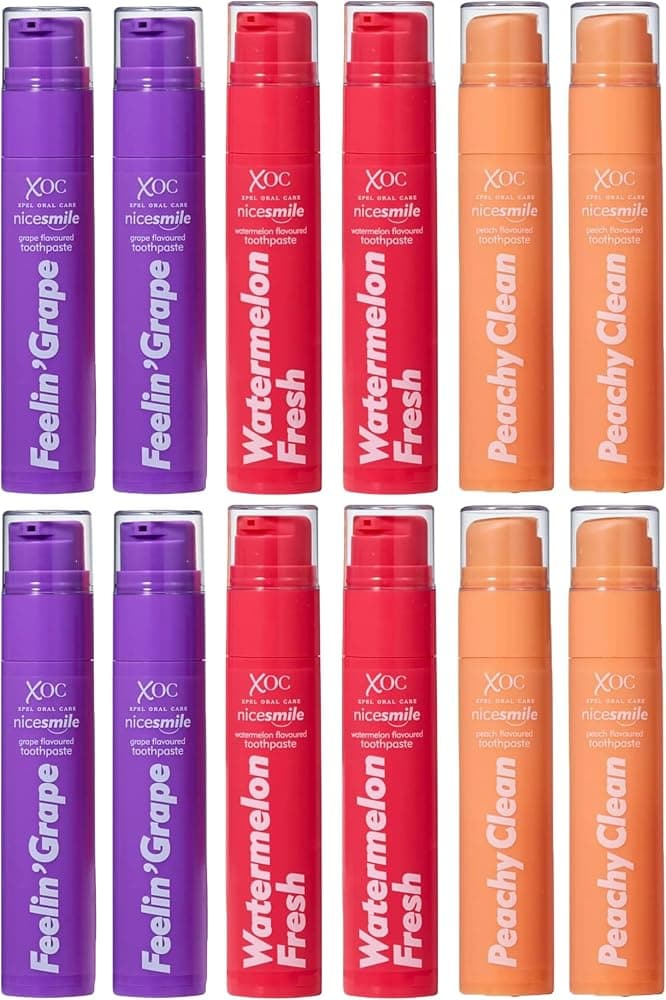
Flavour is the other trade-off, especially with children involved. A six-tube bundle that mixes flavours means nobody's stuck with one they don't like, while a twelve-pack weighted towards the household favourites suits a family that's already found what works. Nice Smile comes in six flavours (Watermelon Fresh, Feelin' Grape, Peachy Clean, Berry Burst, Yummy Gummy and Candy Clean), and the toothpaste collection lets you compare pack sizes and flavour combinations side by side, including the 6 pack bundle that covers a good spread without committing to a full twelve tubes.
If you're setting a toothpaste budget for the whole household rather than buying reactively, it's worth working out roughly how many tubes a family actually gets through in a term or a month, which this guide to setting a family toiletries budget covers in more detail.
Common mistakes when buying vegan toothpaste
A few patterns come up repeatedly when people are choosing toiletries quickly:
- Assuming 'natural' means vegan. Natural and eco-branded toothpaste sometimes uses beeswax or other animal-derived thickeners precisely because they're seen as natural ingredients, so 'natural' on its own tells you nothing about whether it's vegan.
- Treating cruelty-free as proof of vegan, or vice versa. As covered above, they're separate claims that need separate checking.
- Ignoring the fluoride figure because the flavour looks kid-friendly. A fun flavour doesn't tell you the ppm is right for the age using it; that's on the pack itself.
- Buying single tubes out of habit. If the same toothpaste keeps disappearing from the bathroom cabinet, a multipack usually works out better value per tube than restocking one at a time.
If you're still unsure about a specific ingredient or claim on any product, you can get in touch and ask before you buy, rather than guessing.
Frequently asked questions
Is Nice Smile toothpaste vegan?
Yes. Nice Smile toothpaste, sold by PoundMart, is described on its listings as vegan, cruelty-free and enamel-safe across all six flavours.
Does vegan toothpaste still contain fluoride?
It can and generally should. Fluoride is a mineral, not an animal-derived ingredient, so a toothpaste being vegan has no bearing on whether it contains fluoride. NHS guidance on fluoride levels by age still applies regardless of whether the toothpaste is vegan, so it's worth checking the ppm figure on the pack separately.
What's the difference between vegan and cruelty-free toothpaste?
Vegan refers to the ingredients: no animal-derived substances such as beeswax, carmine or animal-sourced glycerine. Cruelty-free refers to testing: the product and its ingredients haven't been tested on animals. A toothpaste can carry one claim without the other, so check for both if both matter to you.
How do I know how much fluoride is in a particular toothpaste?
Check the tube or box itself, as the ppm figure is printed on the packaging. This matters most for children, since the NHS sets different fluoride levels for toothpaste used under age 3, between 3 and 6, and for adults.
Where can I buy vegan flavoured toothpaste for a family bathroom?
The toothpaste collection lists Nice Smile's vegan, cruelty-free, enamel-safe toothpaste in six flavours, sold as single tubes and multipacks, so you can match the pack size to how quickly your household gets through a tube.