
A wash day routine for afro hair doesn't need to take an entire Sunday or a shelf full of specialist products. At its core it's four things done in the right order: detangle, cleanse, moisturise and seal. Do those four steps consistently, with products suited to curly or coily hair, and the rest is detail you can adjust to suit your week.
Most of the frustration around wash day comes from treating it like a one-off event rather than a routine. In a house with one bathroom and several people wanting a turn in it, that's understandable. The good news is that a realistic routine fits around a Tuesday evening as easily as a lazy Saturday, once you know what each step is actually for.
Wash day routine for afro hair: what actually needs doing
Afro and curly hair is naturally drier than straight hair, because the natural oils from the scalp struggle to travel down a curved hair strand. That's why the routine leans so heavily on moisture rather than just cleansing. Washing too often strips what little oil is there, so most curly and afro hair does better being washed less frequently than straight hair, with moisture topped up in between. If you want more detail on frequency, how often you should wash your hair covers it by hair type.
The four steps, in order, are:
- Detangle before you add water or product, working from the ends up, not the roots down.
- Cleanse the scalp without scrubbing the lengths, using a gentle shampoo or a shampoo bar.
- Moisturise with a water-based leave-in conditioner while the hair is still damp.
- Seal that moisture in with an oil or cream so it doesn't evaporate before the next wash.
Skip the sealing step and the moisture from step three disappears within a day or two, which is usually why hair feels soft on wash day and dry by Wednesday.
Before you start: what to keep in a shared bathroom
A family bathroom used by four people doesn't have room for a dozen bottles, and nobody wants to hunt through a cupboard at 7pm on a school night. Keep the afro hair kit simple and separate from everyone else's shampoo:
- A gentle, sulphate-free shampoo or shampoo bar for the scalp.
- A leave-in conditioner that doesn't need rinsing out, for quick moisture on wash day and in between.
- A light oil or cream to seal the ends.
- A wide-tooth comb or your fingers for detangling.
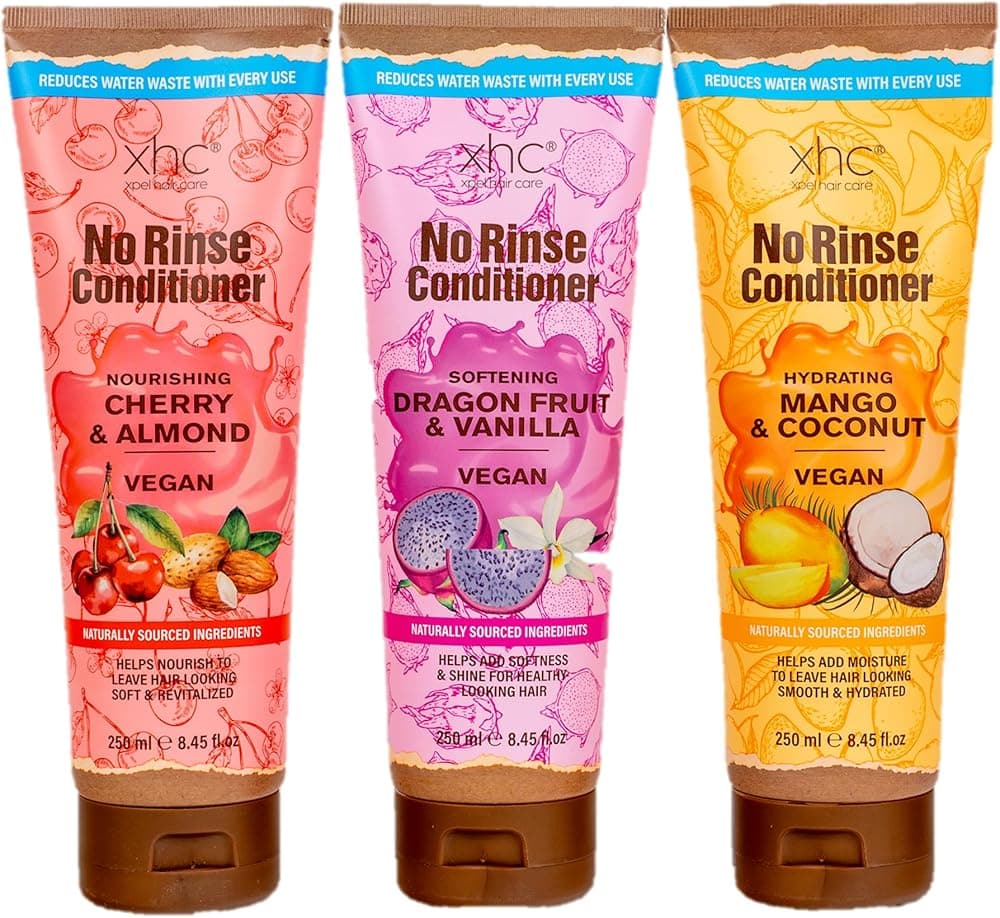
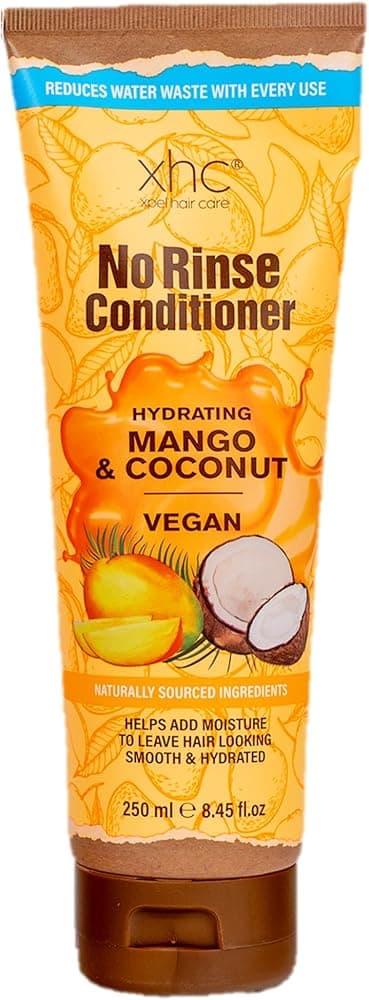
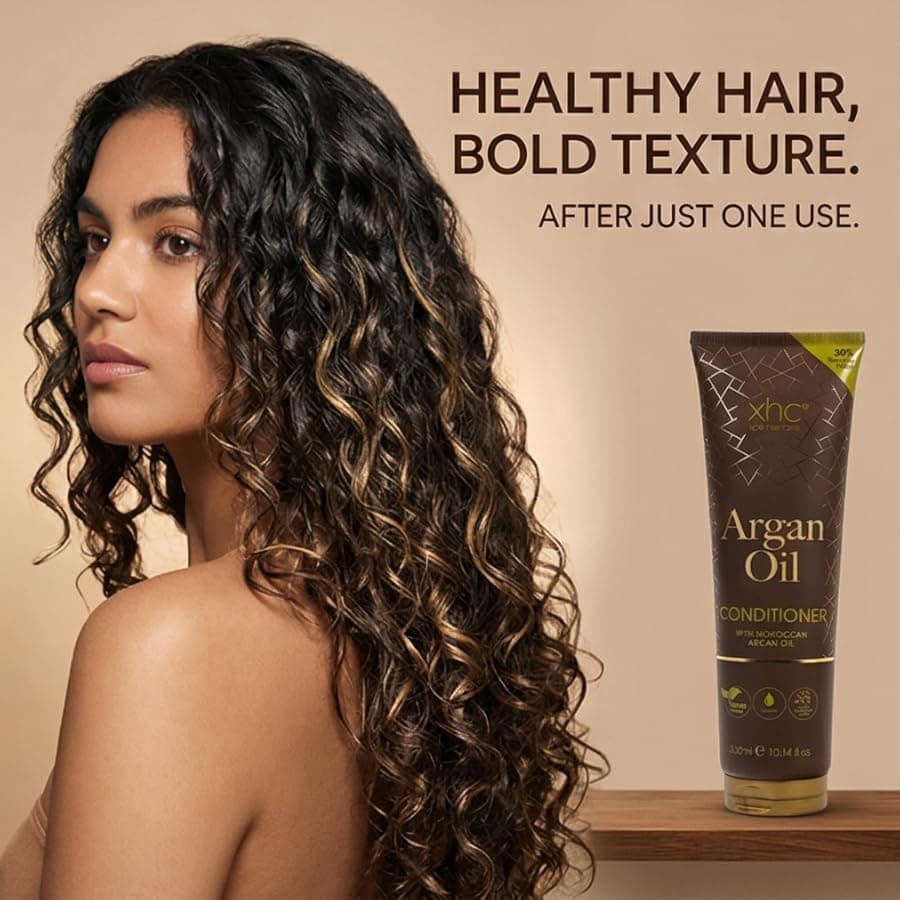
A leave-in conditioner earns its place here because it does two jobs: it moisturises properly on wash day, and it can be used again mid-week on dry ends without a full wash. XHC Vegan No Rinse Conditioner is made for curly, afro and damaged hair and is sulphate-free, so it's a sensible base to build the rest of the routine around. If more than one person in the house is washing curly or afro hair, the three pack works out cheaper per bottle and means nobody's left sharing the last inch at the bottom of the tube.
The routine, step by step
Here's a version that works for a weeknight as well as a weekend, assuming hair is washed roughly once or twice a week.
1. Detangle dry, or with a bit of conditioner in. Section the hair if it's long or thick. Start at the ends and work upwards in small sections. Pulling a comb from root to tip on dry, tangled hair is the single biggest cause of breakage, so take the extra two minutes here.
2. Wash the scalp, not the lengths. Apply shampoo to the scalp, massage gently, and let the lather run down through the rest of the hair as you rinse. The lengths don't need scrubbing; they just need the shampoo to pass over them.
3. Apply leave-in conditioner while hair is still wet. This is the step that actually puts moisture back into the hair shaft, so it matters more than any other product in the routine. Work it through section by section rather than just on top. If you want a fuller explanation of why this step works the way it does, leave-in conditioner for curly hair goes through it in more detail.
4. Seal with oil or cream. A small amount smoothed over the hair after the leave-in traps that moisture in. This is what stops hair drying out again within a day of washing.
5. Style and protect overnight. However you style it for the day, the overnight step matters just as much: a satin or silk pillowcase, bonnet or scarf stops moisture being pulled out by cotton bedding while you sleep. There's more on this in how to sleep with curly hair.
On non-wash days, a small amount of the same leave-in conditioner smoothed over dry ends, followed by a touch of oil, is usually enough to refresh hair that's starting to feel dry, without a full wash.
Common mistakes that undo good wash day work
A few habits quietly cancel out an otherwise good routine:
- Skipping the leave-in and going straight to oil. Oil seals moisture in, but it doesn't add moisture on its own. Used alone on dry hair, it just coats the surface. The leave-in needs to go on first.
- Washing too often out of habit. If hair is washed every day or two because that's what's always been done, it may never get the chance to hold onto moisture between washes.
- Detangling after the hair has dried. Dry, tangled hair breaks far more easily than wet, conditioned hair. Detangle before or during the wash, not after.
- Using whatever shampoo is already in the shower. A shampoo designed for fine, straight hair is often too stripping for afro or curly hair. For more on what to look for in afro hair care generally, how to moisturise afro hair is a useful starting point.
- Rubbing with a towel. Rubbing roughens the hair cuticle and causes frizz and breakage; patting or squeezing gently with a towel or t-shirt does the same drying job with less damage.
Keeping wash day affordable when the shopping list is long
Hair products are an easy thing to overspend on when the weekly shop keeps creeping up. The routine above doesn't need expensive specialist ranges; it needs the right four products used consistently. Buying a leave-in conditioner in a pack rather than one bottle at a time tends to cost less per bottle, and it means you're not caught out mid-month when the last bottle runs dry. The full haircare collection has the options side by side if you want to compare what suits your hair type and household size. If you're weighing up whether bigger packs genuinely save money or just look like they do, are multipacks cheaper sets out the maths plainly.
If you've got questions about ordering, delivery or returns, you can always get in touch and ask directly rather than guessing.
Frequently asked questions
How often should afro hair actually be washed?
There's no single number that suits everyone, but afro and curly hair generally holds up better being washed less often than straight hair, often once or twice a week, with moisture topped up on the days in between using a leave-in conditioner.
Can leave-in conditioner replace a rinse-out conditioner entirely?
For many curly and afro hair types, yes, a leave-in can do the main moisturising job on wash day and in between, without needing to be rinsed out. Some people still use a rinse-out conditioner occasionally for extra slip when detangling; it depends on how your hair responds.
Why does my hair feel dry again the day after washing?
This is usually a sign the moisture from wash day hasn't been sealed in. Applying a leave-in conditioner followed by a light oil or cream straight after washing, while hair is still damp, helps that moisture last longer.
Is it bad to detangle hair when it's dry?
Dry detangling is more likely to cause breakage than detangling hair that's wet or has some conditioner in it. If you need to detangle between washes, a light spritz of water or a small amount of leave-in conditioner first makes it gentler on the hair.
What if I have a scalp condition or persistent dryness and flaking?
A routine like this helps with general dryness, but ongoing flaking, soreness or scalp irritation is worth getting checked by a pharmacist or GP, since it can have causes that product changes alone won't fix.