
If you want to know how to sleep with curly hair without waking up to flat sections, frizz and knots, the short answer is this: protect the curls before you lie down, not after. That means detangling while hair is still damp and coated in product, gathering it loosely rather than letting it rub against cotton, and choosing a pillowcase or covering that doesn't pull moisture out while you sleep.
Curly and afro hair is more prone to dryness and breakage than straight hair because the natural oils from your scalp have further to travel down each twist and bend. Add a night of tossing on a cotton pillowcase and you're left with tangles, frizz and curls that have lost their shape by the second day. The good news is that a short routine before bed makes a real difference, and it costs you a few minutes rather than money.
How to sleep with curly hair without losing the shape of your curls
The basic sequence is the same whatever your curl pattern: detangle, moisturise, gather, cover.
- Detangle gently. Work through knots with your fingers or a wide-tooth comb while hair is damp, starting at the ends and working up. Dry detangling pulls on the curl pattern and causes breakage.
- Add a leave-in product. A no-rinse conditioner or leave-in cream smooths the cuticle and gives the curl something to hold its shape against overnight. This is the step most people skip, and it's the one that matters most.
- Gather, don't flatten. Loosely pineapple your curls (a high, soft bunch on top of the head) or do two low, loose twists if a high pineapple doesn't suit your length. The aim is to keep curls off the mattress, not to pull them tight.
- Cover with satin or silk. A satin bonnet, scarf or a satin pillowcase stops hair rubbing against fibres that soak up moisture and create friction. If a bonnet feels too warm, the pillowcase swap alone still helps.
Do this consistently and you'll find curls last two, three, even four days before a full wash, rather than losing their shape overnight.
Protecting curls overnight: the details that make it work
A few extra points are worth knowing once the basic routine is in place.
Satin versus silk. Both work on the same principle: a smoother surface means less friction and less moisture pulled out of the hair shaft. Satin is usually the cheaper option and widely available as bonnets, scarves and pillowcases, so it's a practical starting point.
Don't go to bed with soaking wet hair. Hair that's still dripping when you sleep on it is more likely to tangle and can take longer to dry fully, which isn't ideal for scalp health. Let hair air-dry to damp, or use a low heat diffuser, before you gather it up.
Loose is the keyword. Tight bands, tight buns or anything that pulls at the hairline can cause tension and breakage over time, especially around the edges. A loose pineapple with a soft scrunchie (never a hair bobble with metal) protects the shape without pulling.
Humidity changes the game. If your bedroom runs warm or you live somewhere damp, hair can frizz overnight even under a bonnet. Humid weather causes its own frizz problems that are worth reading separately if this is a recurring issue for you.
Morning refresh: reviving curls without a full wash
Even with good overnight care, curls often need a small revival in the morning. This is where a leave-in or no-rinse conditioner does double duty.
- Lightly mist hair with water from a spray bottle to reactivate the product already in your curls.
- Scrunch upward from the ends, rather than smoothing downward, to encourage the curl to reform.
- Add a small amount of fresh leave-in conditioner to the driest sections, usually the ends and anywhere that touched the pillow despite your best efforts.
- Avoid brushing dry curls with a regular brush. It separates the curl pattern into frizz rather than defined curls.
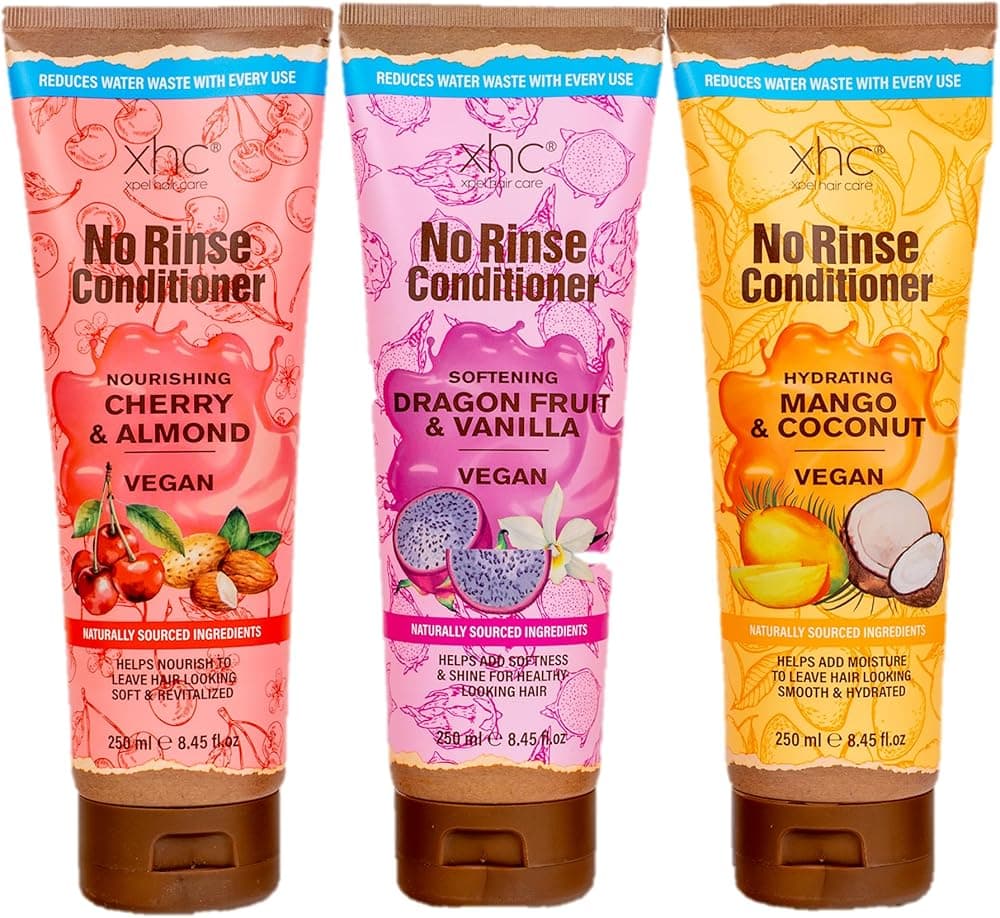
A no-rinse, leave-in conditioner is useful here precisely because it's designed to stay in rather than wash out, which means it keeps working through the day and overnight. The XHC No Rinse Conditioner 3 pack is made for curly, afro and damaged hair and comes in three scents, so you can keep one by the sink for mornings and one in a bag for touch-ups.
Choosing products that don't weigh curls down
One of the most common complaints from people with curly or afro hair is that moisturising products either don't last or leave hair looking flat and greasy by the afternoon. A few practical points help here.
Leave-in conditioners are lighter than styling creams. If your curls feel coated rather than defined, you may be using a heavier product than your hair type needs. Swapping to a leave-in conditioner for everyday use, and saving heavier creams for wash day only, often solves this. This guide to leave-in conditioner for curly hair covers how much to use and where.
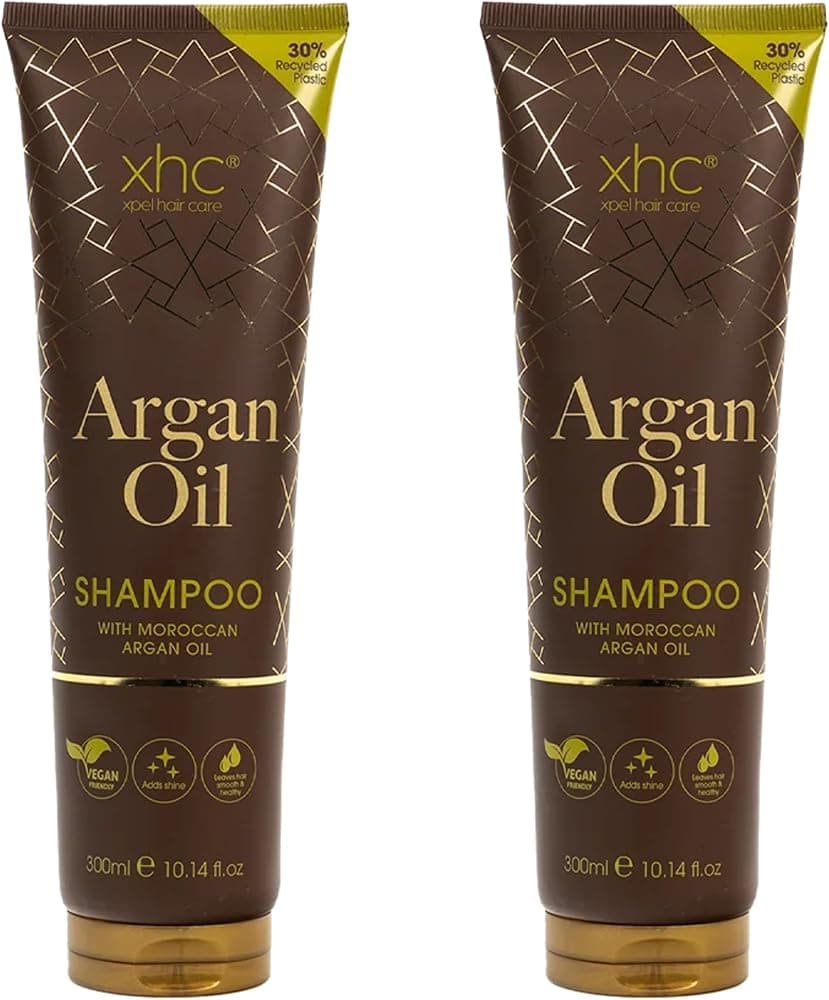
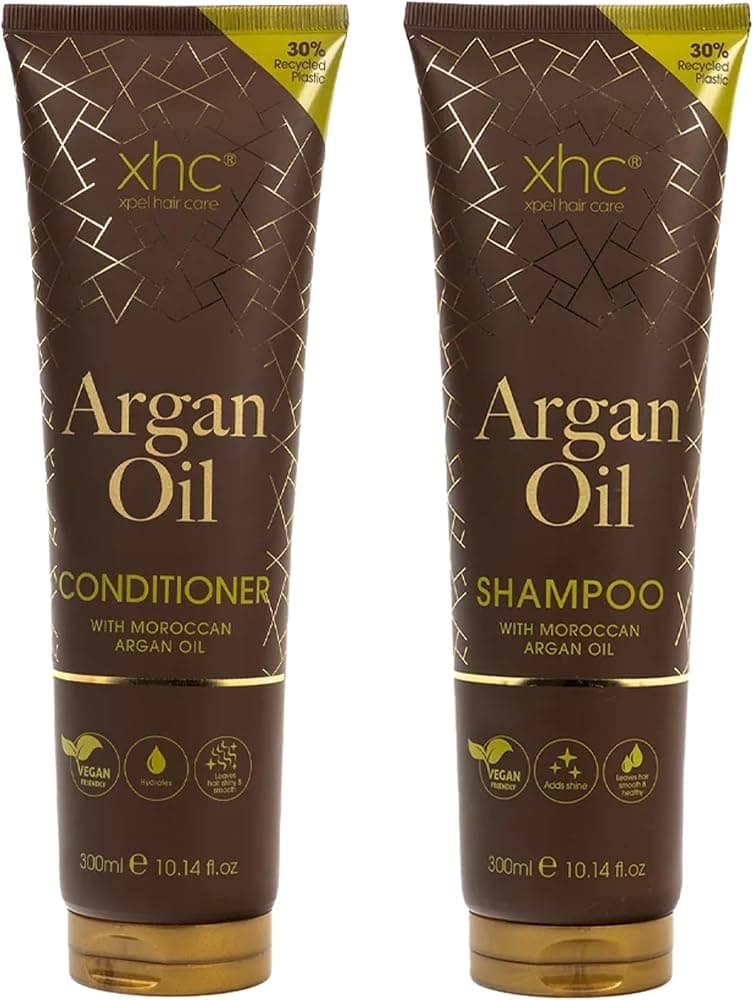
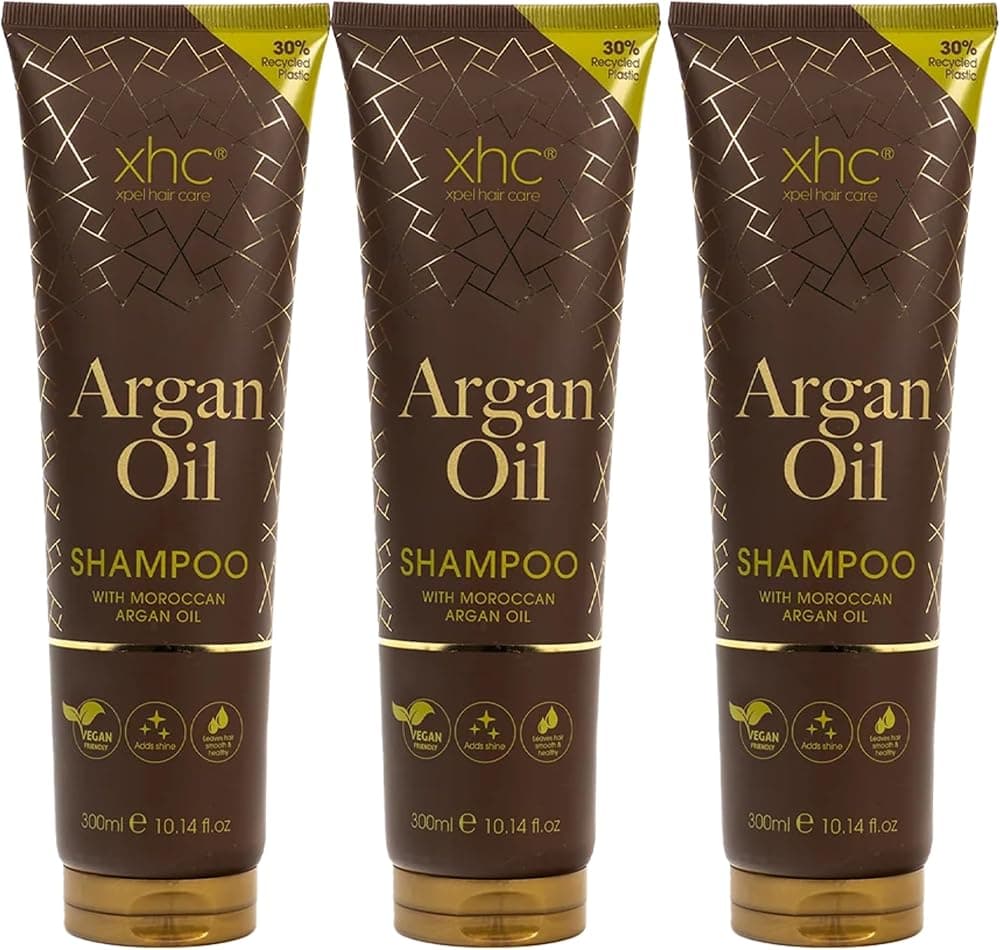
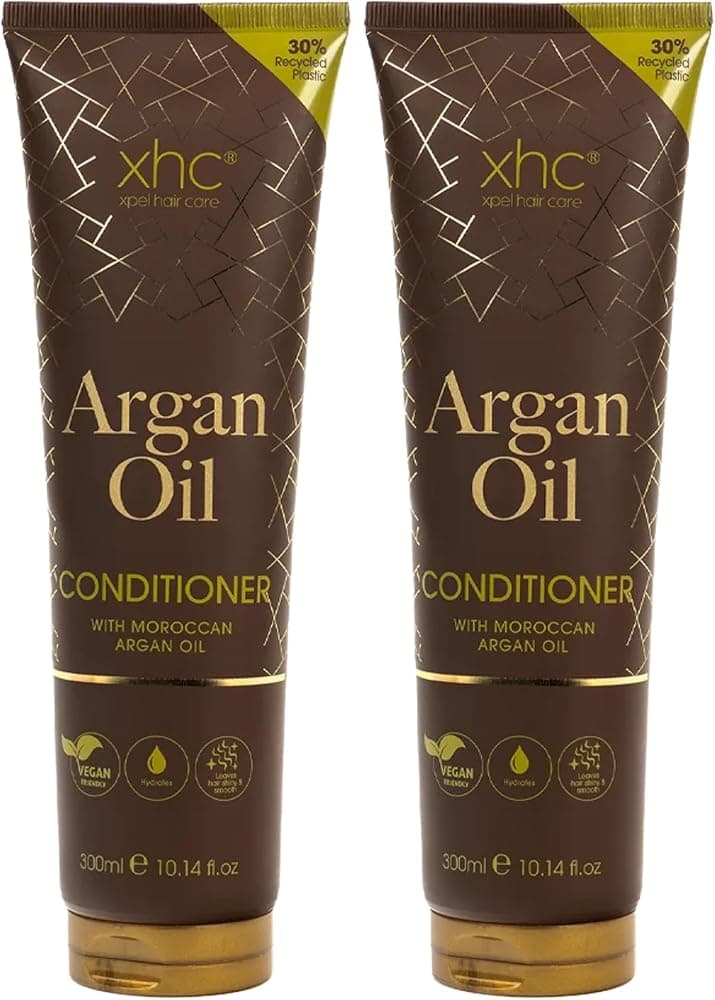
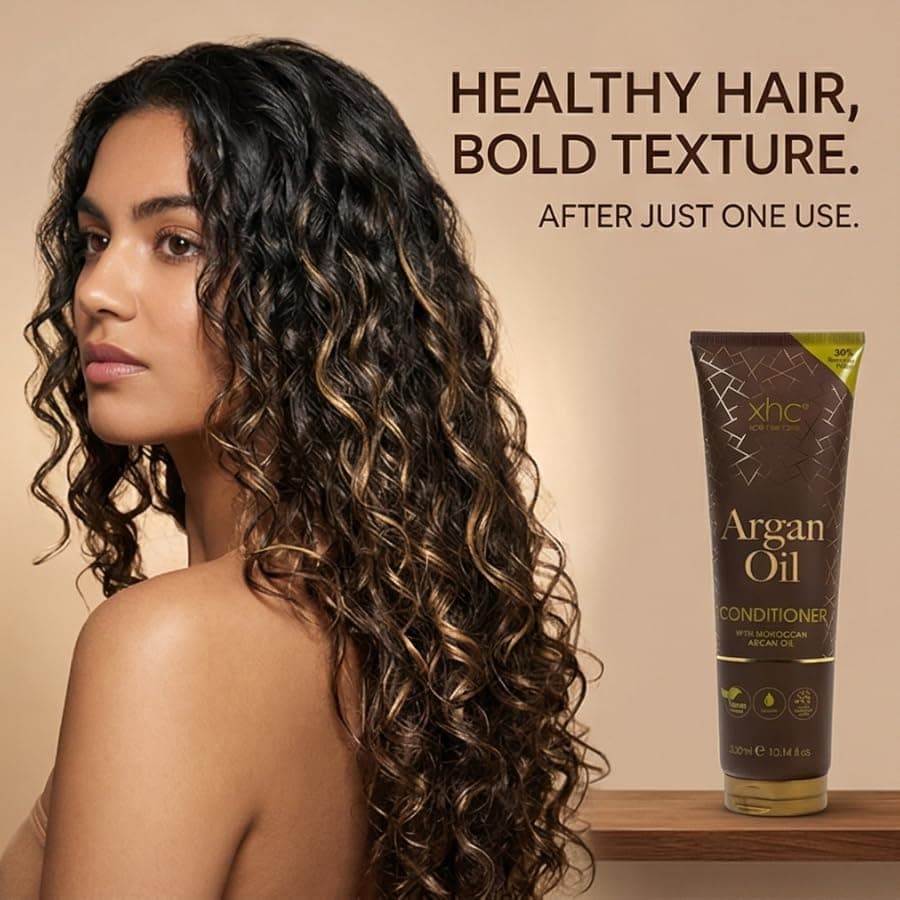
Rinse-out conditioner still matters. A nourishing, moisturising conditioner used on wash day sets the foundation that your leave-in product builds on afterwards. The XHC Argan Oil Conditioner twin pack is formulated with Moroccan argan oil for softness and smoothness, and works well as the rinse-out step before you apply a leave-in.
Dry ends need targeted attention, not more product all over. Applying conditioner evenly from root to tip when only the ends are dry just weighs down the roots. Focus moisture where it's needed and keep roots lighter.
If you're building a full routine from scratch, the haircare collection has the no-rinse conditioners and argan oil range together, which makes it easier to see what pairs well with what. A related read, how to moisturise afro hair and keep it soft all week, goes into more depth on building moisture in between washes if dryness, rather than frizz, is your main issue.
If you're not sure which scent or pack size suits your routine, or you want to check pack sizes before you order, you can always get in touch with a question.
Frequently asked questions
Does a silk pillowcase really make a difference to curly hair?
Yes, in a practical sense. Cotton fibres create more friction and absorb more moisture from hair than satin or silk, which means curls are more likely to tangle, frizz and lose shape overnight on a cotton pillowcase. Switching the pillowcase alone, without changing anything else, is one of the simplest improvements you can make.
Should I wash my hair every night to keep curls fresh?
No. Washing curly or afro hair every night tends to strip natural oils and dry it out further, which makes frizz and breakage worse over time. Most people with curly hair do better washing less often and relying on a leave-in or no-rinse conditioner and a protective overnight routine to stretch the time between washes.
Why do my curls look great on day one and rough by day two?
This is usually down to what happens overnight rather than the products themselves. Hair that isn't gathered and covered rubs against the pillow, loses its defined shape and picks up frizz. Pineappling or loosely twisting hair and sleeping under satin or silk is the main fix, alongside a light refresh with water and leave-in conditioner in the morning.
Can I use a leave-in conditioner and a styling cream together?
Yes, and many people with curly or afro hair do. The leave-in conditioner provides moisture and slip, while a styling cream or gel on top defines the curl pattern and holds it. Apply the leave-in first to damp hair, then layer the styling product over it, rather than mixing them or applying in reverse order.
What's the quickest way to detangle curly hair without breakage?
Detangle on damp hair with a generous amount of conditioner or leave-in product for slip, using your fingers or a wide-tooth comb. Start at the ends and work upward in small sections, rather than pulling a comb from root to tip through a full head of dry, tangled hair.