
The best toothpaste for kids UK parents reach for isn't the one with the flashiest packaging. It's fluoride toothpaste at the right strength for your child's age, in a flavour they'll actually tolerate, used in the correct amount, twice a day, without turning bedtime into a negotiation. Everything else, including whitening claims, scent and tube design, is secondary to those basics.
This guide covers what to check before you buy, the mistakes that waste money or undermine the point of brushing, and how to keep costs down if you're buying for more than one child.
Best toothpaste for kids UK: what actually matters
Before flavour or price, check the fluoride strength on the pack. NHS guidance is clear on this:
- Children under 3 should use just a smear of toothpaste containing no less than 1,000ppm fluoride.
- Children aged 3 to 6 should use a pea-sized amount of toothpaste with more than 1,000ppm fluoride.
- Adults should use toothpaste with 1,350 to 1,500ppm fluoride.
Fluoride ppm isn't always obvious from branding alone, so it's worth reading the tube itself rather than guessing from the box design or the word 'kids' on the front. If you're ever unsure which strength suits your child, a pharmacist or dentist can tell you in seconds.
Beyond fluoride, look for a toothpaste that's gentle enough for twice-daily use without irritating young mouths, and one your child doesn't refuse outright. A toothpaste that sits in the cabinet unused does nothing for anyone's teeth. For more on how fluoride works, see what fluoride does for teeth.
Getting the amount and flavour right
Two practical details decide whether brushing goes smoothly: how much toothpaste goes on the brush, and whether your child likes the taste.
On amount, more is not better. Overloading the brush wastes toothpaste and can mean swallowing more fluoride than intended, particularly with younger children who haven't mastered spitting out properly. A smear for under-3s and a pea-sized blob from age 3 is the NHS guidance, and sticking to it also makes a tube last longer. For an age-by-age breakdown, see how much toothpaste a child should use.
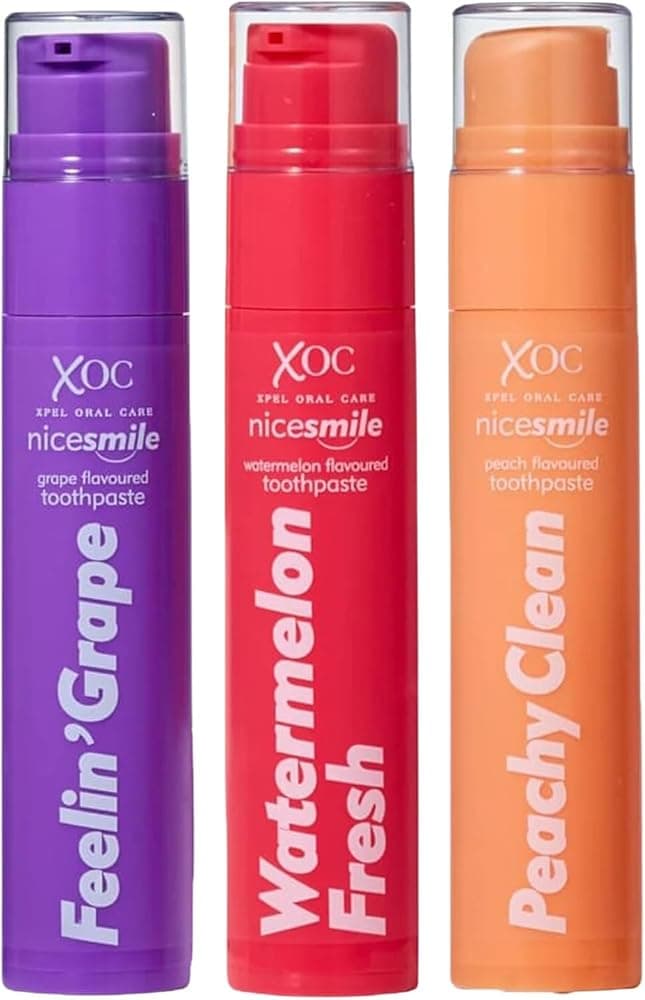
On flavour, mint is often the problem, not the brushing itself. Plenty of children genuinely dislike the taste and will clamp their mouth shut rather than tolerate it, which has nothing to do with willpower and everything to do with taste buds. Switching to a fruity or sweet flavour, such as watermelon, grape or gummy bear, often solves a brushing battle that felt unsolvable the week before. If mint is the sticking point in your house, mint-free toothpaste for kids goes into this in more detail, and how to pick a flavour covers how to choose without buying six tubes to find one that sticks.
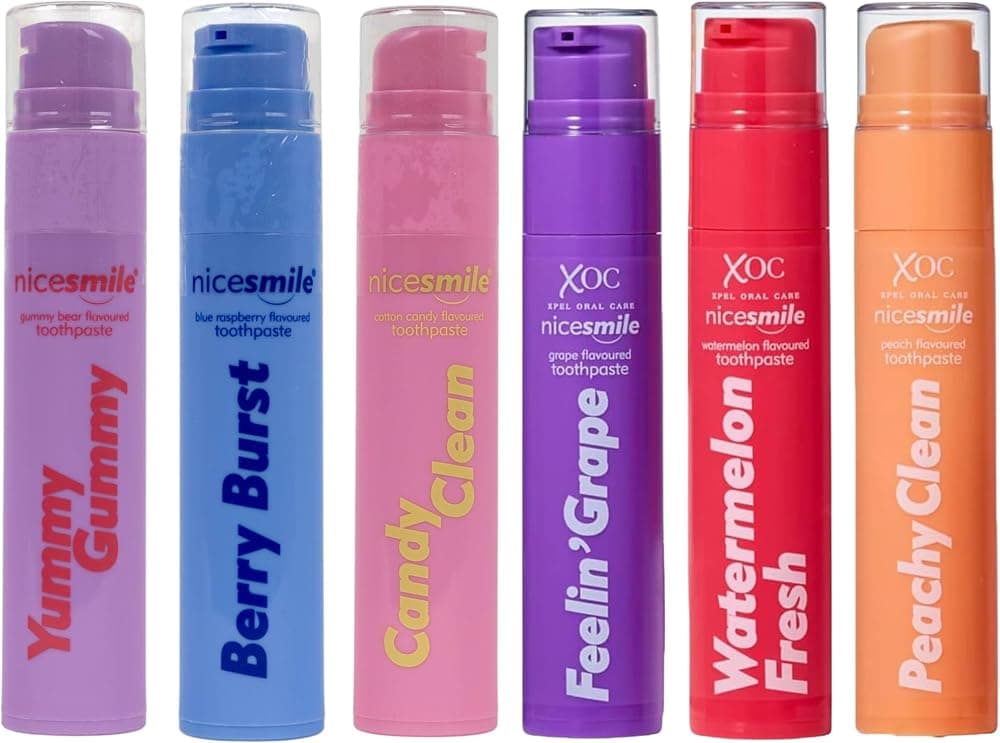
Nice Smile's range covers six flavours: Watermelon Fresh, Feelin' Grape, Peachy Clean, Berry Burst, Yummy Gummy and Candy Clean, so there's room to try something other than mint without changing brand every time. Browse the toothpaste collection to see them side by side.
Does whitening toothpaste actually help kids' teeth?
Whitening toothpaste removes surface staining, the kind left by juice, squash or food, rather than changing the natural colour of a tooth underneath. That's a reasonable, honest expectation to set for children's teeth too: cleaner-looking, stain-free teeth, not a dramatically different shade.
For twice-daily brushing, that's exactly what's useful: a toothpaste that cleans thoroughly and keeps surface stains at bay, alongside the fluoride that actually protects enamel over time. If you want the fuller picture on what whitening toothpaste can and can't do, this explains it clearly, and enamel-safe toothpaste is worth a read if you're weighing up products.
Keeping costs down with more than one child
Toothpaste is one of those items that disappears faster than you expect once there's more than one brush in the house. Buying single tubes repeatedly tends to cost more per tube than buying a bundle, and running out on a school morning is its own kind of stress.
A few ways to make the budget work harder:
- Buy multi-packs rather than singles where you can. Bigger bundles generally cost less per tube, so stocking up once covers you for weeks rather than buying one tube at a time.
- Mix flavours in one order if your children don't agree on taste. A pack with a few different flavours means nobody's stuck with one they dislike.
- Keep a spare tube in the cupboard so a finished tube at seven in the morning on a school day isn't a crisis.
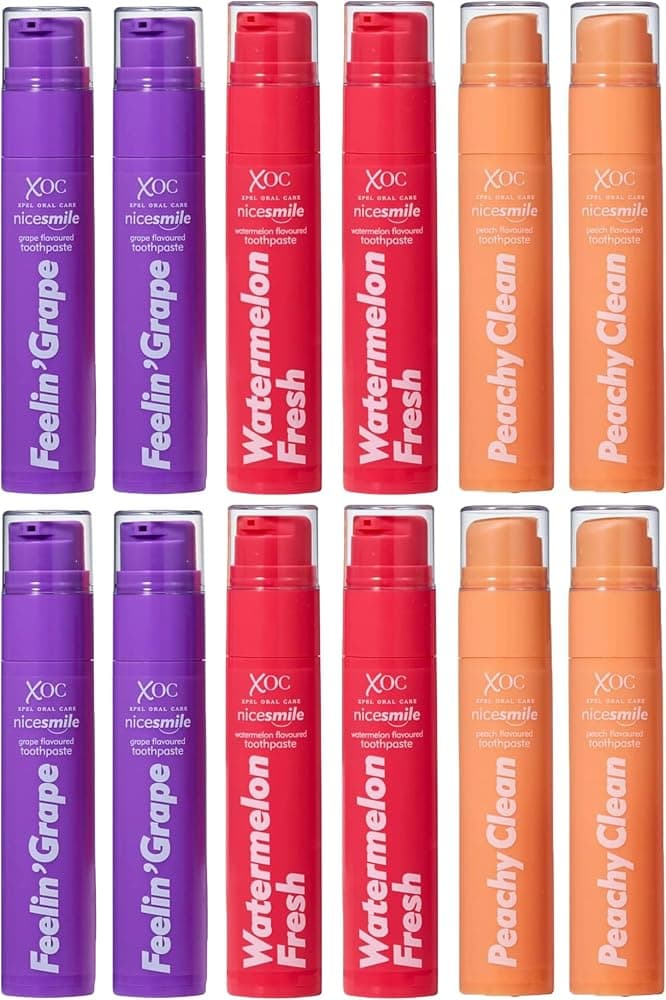
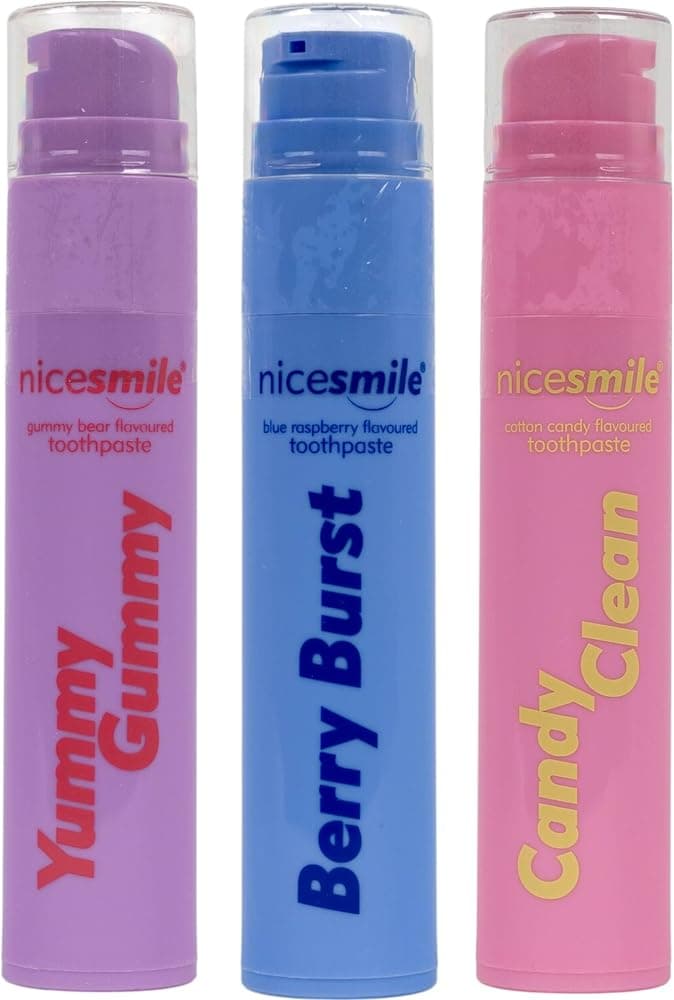
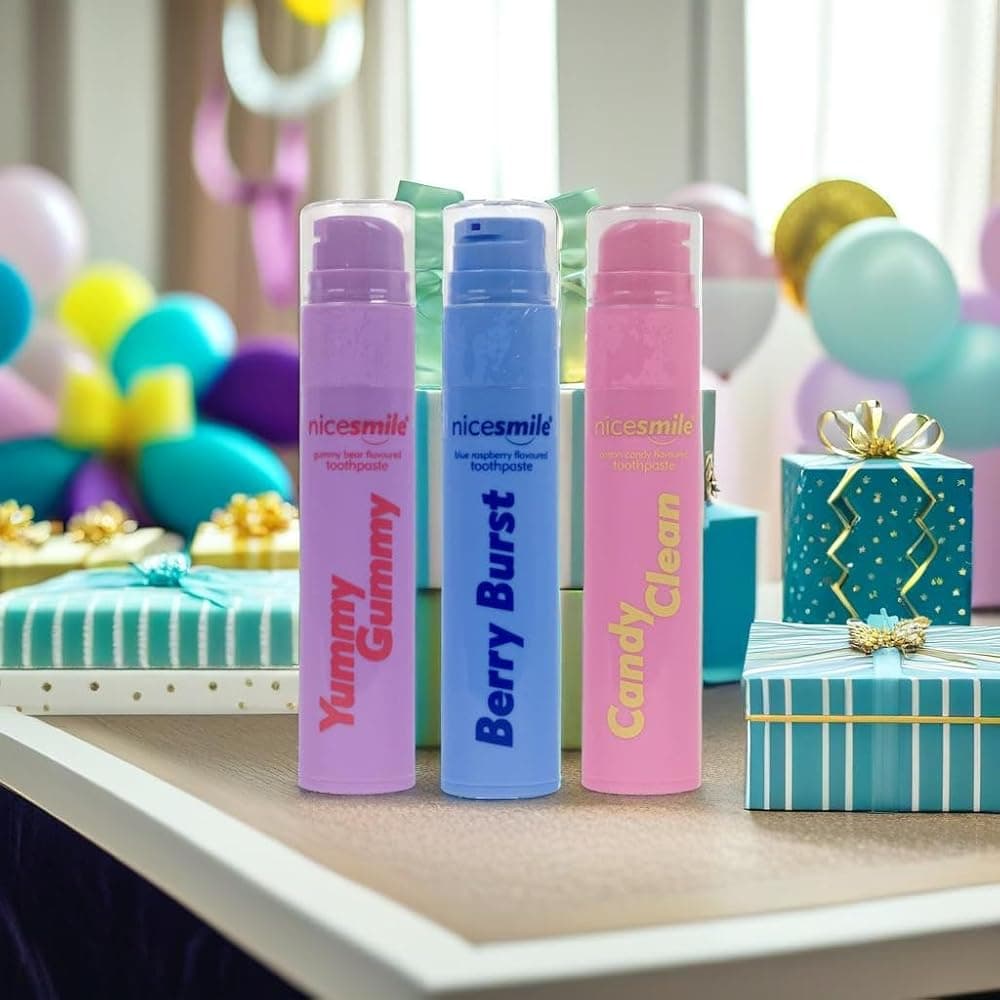
PoundMart sells Nice Smile toothpaste as singles and as multi-packs, so you can match the pack size to how many children, and adults, are brushing in your house. The 3 pack in Berry Burst, Yummy Gummy and Candy Clean suits households who've found their favourites, while the 6 pack bundle lets you choose all six flavours or stick to the sweeter three. For a wider look at whether buying bigger genuinely saves money, this breaks down the maths.
Toothpaste for school mornings and family holidays
A 60g tube is small enough to pack easily for a school bag, a weekend away, or hand luggage on a flight, which matters if you're trying to keep a child's usual toothpaste rather than relying on whatever's available at the destination. If you're flying, airline liquid rules vary by airport and do change, so check your airport's current rules before you pack rather than assuming last year's allowance still applies.
Keeping the same flavour and brand on a trip can also help at bedtime away from home, since a familiar taste is one less change for a child to adjust to when everything else about the routine is different. For a fuller packing list beyond the toothpaste itself, the travel toiletries checklist is worth checking before you go, and the back to school checklist covers the wider routine for term time.
If you've got a question about an order, a pack size, or anything else, you can always get in touch with PoundMart.
Frequently asked questions
What fluoride level should children's toothpaste have?
NHS guidance says children under 3 should use a smear of toothpaste with no less than 1,000ppm fluoride, children aged 3 to 6 should use a pea-sized amount with more than 1,000ppm, and adults should use toothpaste with 1,350 to 1,500ppm. Check the tube itself, since this isn't always obvious from the packaging design.
Is flavoured toothpaste as effective as mint for children?
Yes. What matters for effectiveness is the fluoride content and brushing properly for about two minutes, twice a day. The flavour is there to make brushing something your child will actually do, not a compromise on cleaning.
How much toothpaste should my child use?
A smear for children under 3, and a pea-sized amount from age 3 upwards, is the NHS guidance. Using more than this doesn't clean teeth any better and increases how much fluoride a young child might swallow.
Can whitening toothpaste damage children's teeth?
A whitening toothpaste described as enamel-safe is formulated to clean without harming enamel through normal twice-daily brushing. If you have any concern about a specific product or your child's teeth, a dentist or pharmacist can advise.
How often should we replace the toothbrush?
Every 3 months is the usual guidance, or sooner if the bristles are splayed or worn. A worn brush cleans less effectively regardless of the toothpaste you're using. See when to replace a toothbrush for more detail.