
What does conditioner actually do? It smooths the outer layer of each hair strand, replaces some of the moisture and fatty material that washing and daily wear strip away, and makes hair easier to detangle and style. It does not repair damaged hair from the inside, it does not make hair grow faster, and it cannot undo what heat, colour or harsh brushing have already done to the strand. For curly and afro hair, which is naturally drier and more prone to tangling, knowing the answer saves time on wash day and stops you chasing results a bottle was never going to give you.
This matters more for curly and afro textures than for straight hair. The natural oil from your scalp has a harder time travelling down a curl or coil compared with a straight strand, so the lengths and ends tend to run drier regardless of how often you wash. Conditioner is one of the main tools for putting moisture and slip back where it's needed, but it works best when you understand what it's actually doing.
What does conditioner actually do, and why curls need it most
Hair is covered in a layer of overlapping scales called the cuticle. Washing, brushing, heat and weather lift and roughen those scales over time. A rinse-out conditioner coats the strand and helps smooth that roughened cuticle back down. Smoother cuticles mean less friction between strands, which is why conditioned hair detangles more easily, feels softer and reflects more light, giving it a shinier look.
For curly and afro hair, that smoothing effect does something else useful: it reduces the friction that causes frizz. Frizz happens when the raised cuticle on individual strands catches moisture from the air unevenly, which is also why curls tend to lose their shape in damp or humid weather. A well-conditioned strand with a smoother surface resists that a little better, though no conditioner can fully stop frizz in very humid conditions. If humidity is a regular problem where you live, it's worth reading about how to stop frizz in humid weather alongside getting your conditioning routine right.
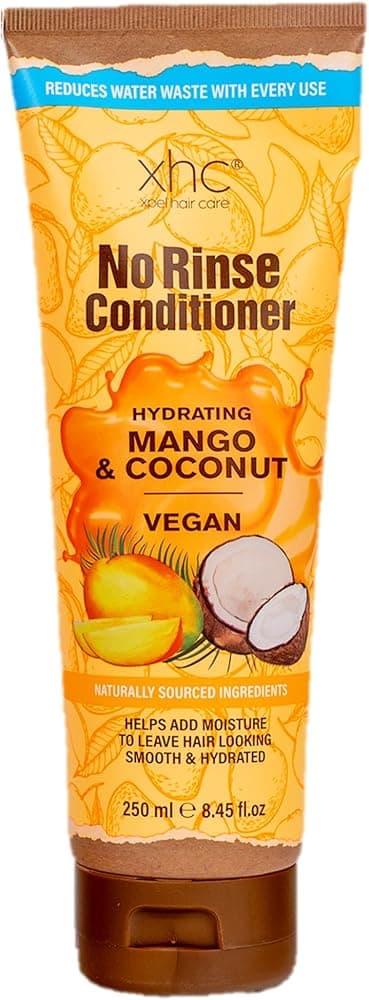
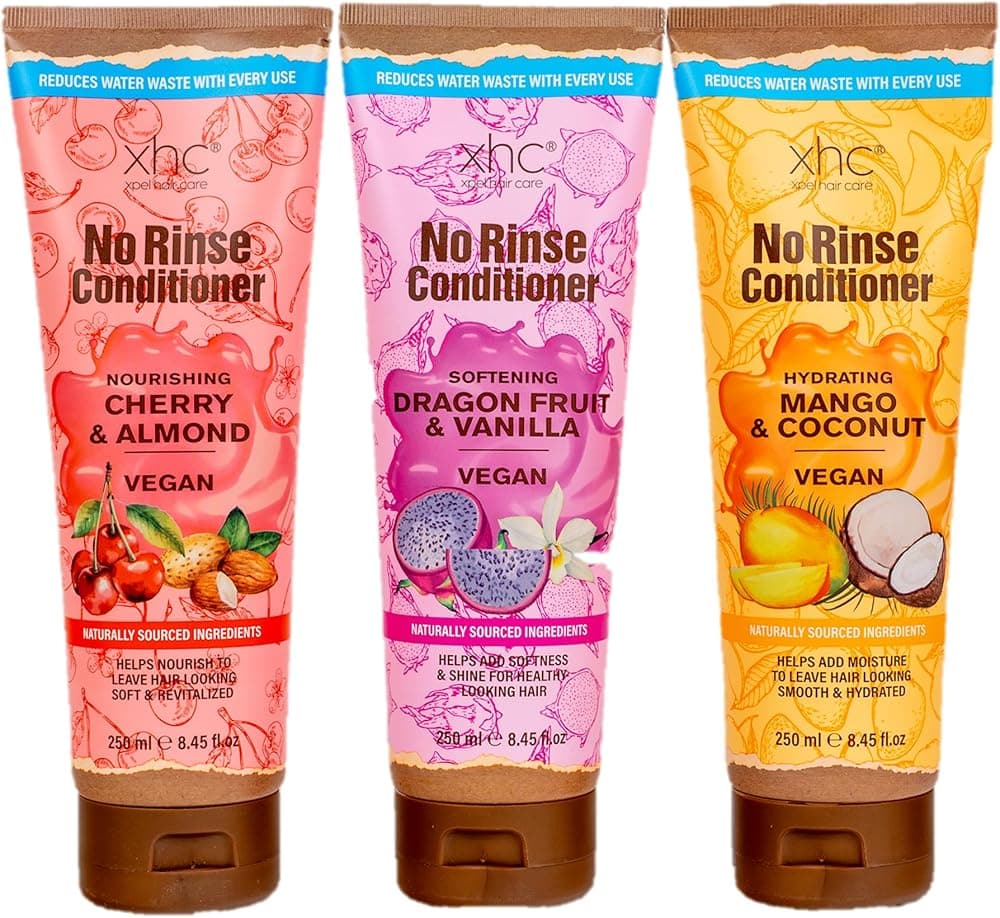
Conditioner also adds a thin layer of moisturising and lubricating ingredients to the hair shaft. This is what gives you the slip that makes detangling less painful, which matters a great deal if you're working through afro or curly hair with your fingers or a wide-tooth comb. Products built for this, such as the XHC Vegan No Rinse Conditioner, are designed to stay on the hair rather than wash out, so the slip and softness last through the day rather than disappearing the moment you rinse.
What conditioner can't do
It's worth being honest about the limits, because a lot of frustration on wash day comes from expecting conditioner to fix things it was never designed to fix.
- It can't repair split ends. Once the tip of a strand has split, no product bonds it back together permanently. Conditioner can smooth the area enough to make a split less obvious for a short while, but the only real fix is trimming it off.
- It can't reverse chemical or heat damage. If hair has been weakened by colour, relaxer or repeated heat styling, conditioner can make it feel and look better in the short term, but it isn't rebuilding the internal structure of the strand.
- It doesn't make hair grow faster or thicker. Hair growth happens at the scalp and follicle, not along the length of the strand where conditioner sits. A healthier-feeling length can mean less breakage, which lets existing length stay on your head longer, but that's a different thing from accelerated growth.
- It won't deep-clean your scalp. That's shampoo's job. Conditioner is built to add moisture and slip, not to remove product build-up or excess oil.
Knowing this helps you set the right expectations. If your main complaint is damage from heat tools or dryness that goes beyond the ends, a conditioner is part of the answer, not the whole of it. Habits that make dry hair worse is worth a read if dryness keeps coming back no matter what you put on.
Rinse-out or leave-in: choosing for curls and afro hair
There are two broad types, and they do different jobs.
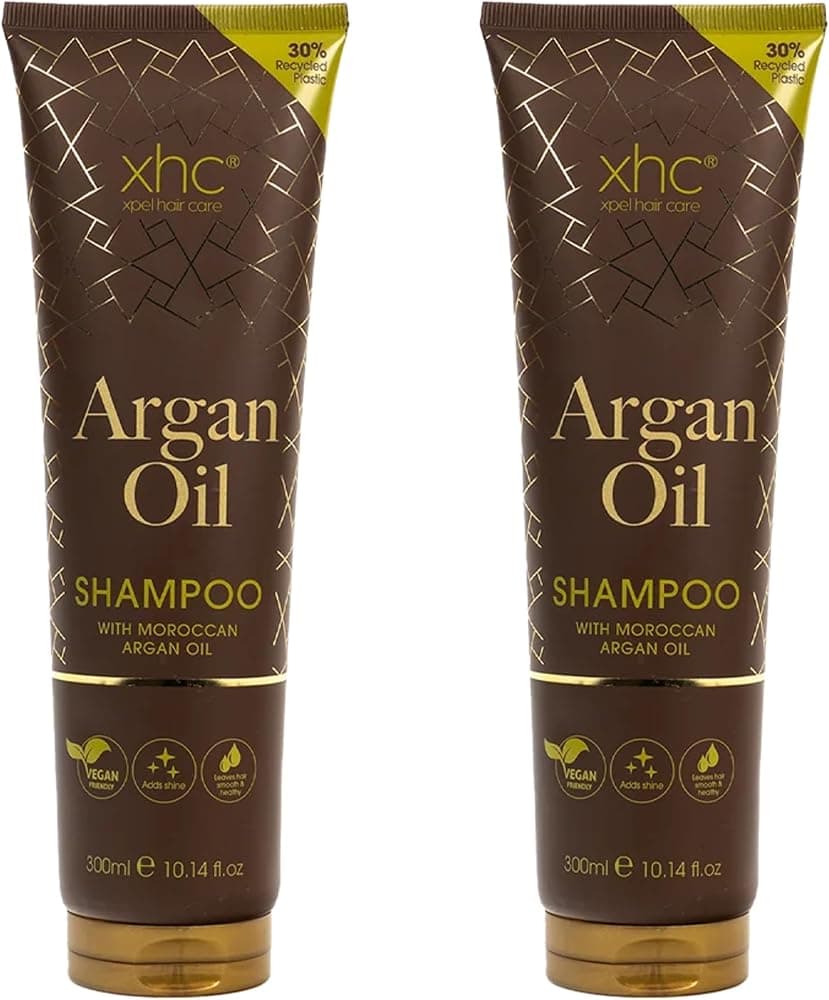
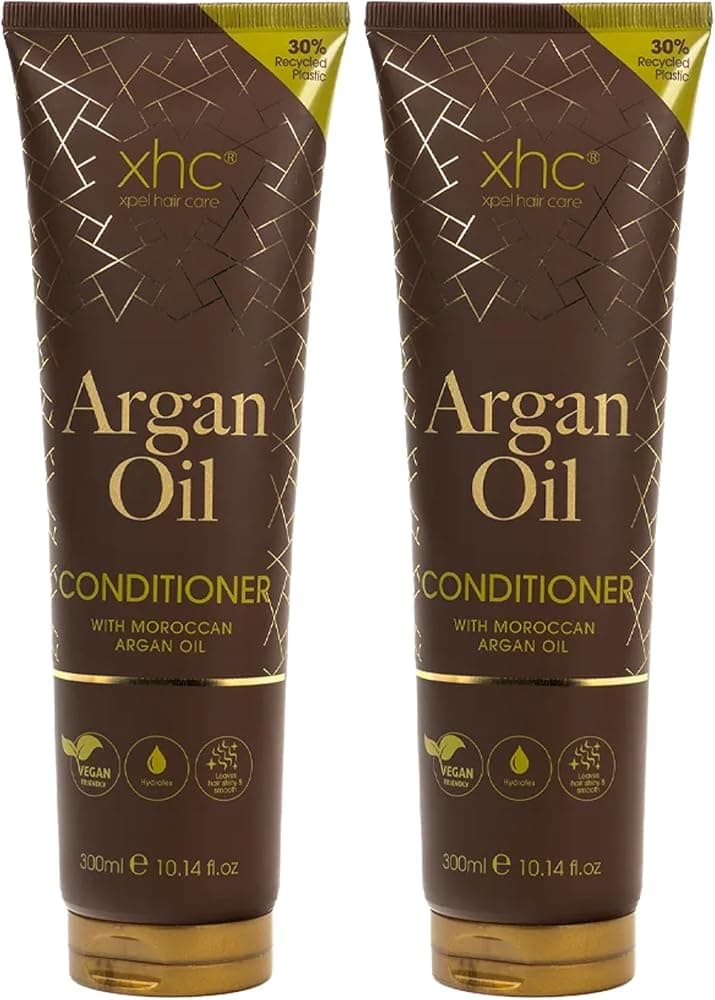
A rinse-out conditioner is applied after shampoo, left on for a few minutes, then washed out. It's the main step for restoring slip and softness after cleansing, which is why it's worth using every wash, especially if you also shampoo with something stripping like a clarifying formula. An option such as the XHC Argan Oil Conditioner, made with Moroccan argan oil, is built around this nourishing and moisturising step, leaving hair soft and smooth once rinsed.
A leave-in conditioner, as the name suggests, stays in the hair rather than being rinsed away. This matters a lot for curly and afro hair because the moisture and detangling benefit lasts through the day instead of disappearing down the plughole. It's also the better choice if you're trying to stretch wash days further apart, since it tops up moisture without a full wash. If you're new to this step, what is leave-in conditioner and leave-in conditioner for curly hair both cover how to work it into a routine without weighing curls down.
Many people with curly or afro hair use both: a rinse-out after shampoo to replace what the wash removes, then a leave-in afterwards to lock in moisture and set the curls up for the rest of the day. There's no rule that says you must choose one or the other.
Common mistakes that waste a wash day
A few habits quietly undo the good a conditioner is doing.
- Applying conditioner to the roots instead of the lengths. Ends are older and drier and need the moisture most. Heavy conditioner near the scalp can leave hair looking flat or weighed down, particularly with finer curl patterns.
- Rinsing out a rinse-out conditioner too quickly. Give it the time stated on the bottle so the ingredients actually sit on the strand rather than sliding straight back off.
- Skipping conditioner because hair feels oily. Oiliness at the scalp and dryness at the ends can happen in the same head of hair, which is common with curly and afro textures. The fix is usually shampooing the scalp properly rather than cutting conditioner from the lengths.
- Using the wrong order. Conditioning before shampoo, after shampoo, or as a co-wash all have their place, and getting the order wrong can mean the product doesn't do its job properly. Conditioner before or after shampoo explains when each approach makes sense.
- Sleeping on cotton pillowcases and undoing the work overnight. Friction from cotton can rough the cuticle back up by morning, which is part of why curls lose their shape by day two. How to sleep with curly hair covers simple ways to protect curls overnight.
How to judge if a conditioner is working for you
You don't need lab equipment to tell if a conditioner suits your hair. Check for these signs after a few uses:
- Hair detangles with less pulling and fewer snapped strands.
- Curls hold their shape for longer before frizzing or dropping.
- Hair feels soft rather than coated, sticky or stiff once dry.
- There's no heavy build-up weighing curls flat by the end of the week.
- Your scalp doesn't feel greasy faster than usual, which can be a sign a conditioner is too rich for your hair type or being applied too close to the roots.
If you're trying products for the first time, the haircare collection has rinse-out and leave-in options for curly and afro hair side by side, which makes it easier to compare and work out what your hair actually responds to. For general questions on sizes, bundles or orders, you can always get in touch through the contact page.
Frequently asked questions
Can conditioner fix dry, damaged ends?
It can make dry ends feel softer and more manageable for a while, but it doesn't repair split or badly damaged ends permanently. A trim is the only real fix for ends that have already split; conditioner is there to protect the rest of the length from getting to that point.
Do I need both a rinse-out and a leave-in conditioner?
Not strictly, but many people with curly or afro hair find the combination works well: a rinse-out after shampoo to replace what washing removes, then a leave-in to carry moisture through the day. If you only have time or budget for one, a leave-in generally does more for day-to-day softness and frizz control between washes.
Why does my curly hair feel dry even though I condition every wash?
This is often about habits around the conditioning step rather than the product itself: not leaving rinse-out conditioner on long enough, applying it only near the roots, or using heat tools and cotton pillowcases that strip moisture back out afterwards. Check habits that make dry hair worse for the usual culprits before switching products.
Will conditioner make my curls grow faster?
No. Growth happens at the scalp, and conditioner works on the length of hair that's already there. What conditioner can do is reduce breakage along the strand, which means existing length is less likely to snap off, but that's different from speeding up growth itself.
Is argan oil conditioner suitable for curly or afro hair?
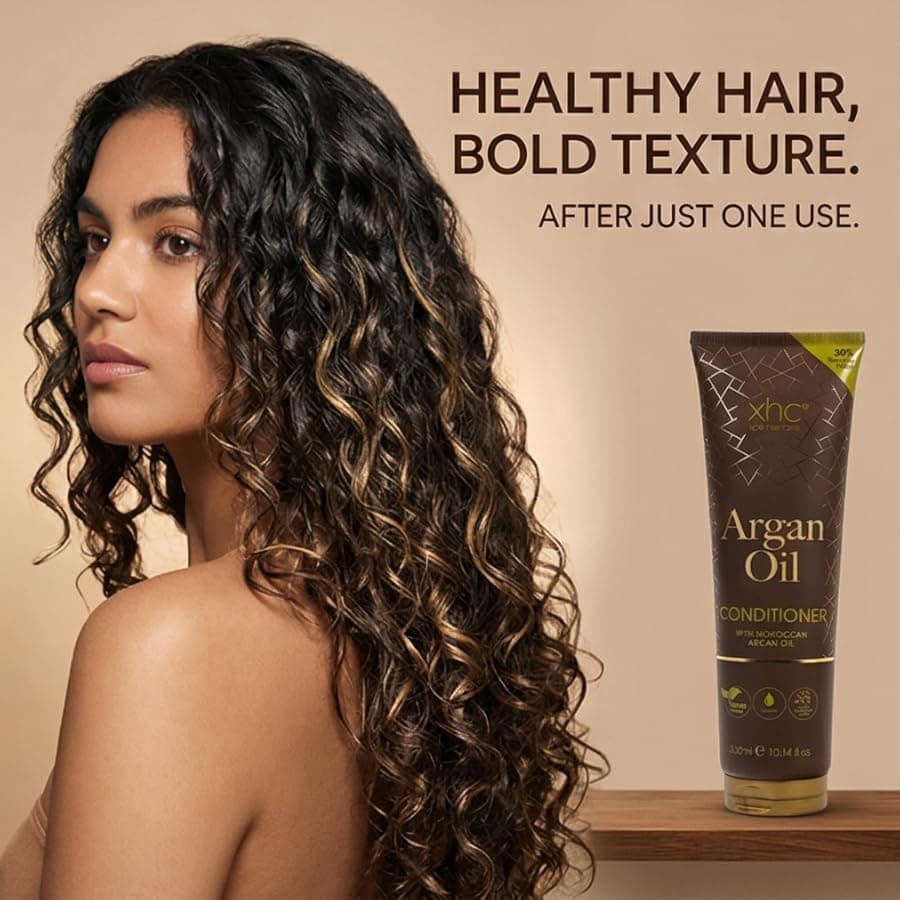
Yes, argan oil conditioner is generally a good fit for dry or curly hair types because it's designed to nourish and moisturise. The effect is cosmetic: softer, smoother, shinier hair with less frizz, rather than any change to the hair's structure. If you want to see how to get the most from it, how to use argan oil conditioner for curly and afro hair walks through application.